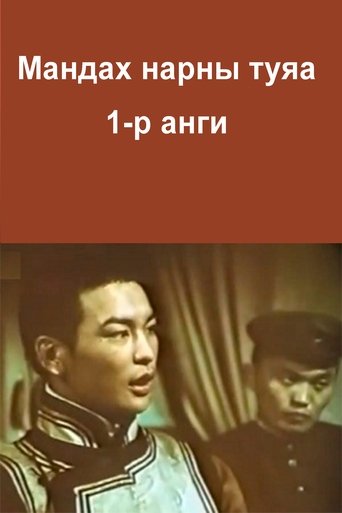
The Rays of the Rising Sun: Episode 1 1987
The work reflects the historical life of the great general D. Sukhbaatar, who started participating in the People's Revolution.
The work reflects the historical life of the great general D. Sukhbaatar, who started participating in the People's Revolution.
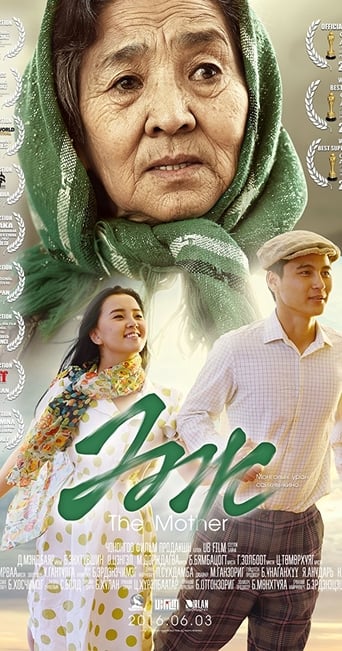
This is the film that encouraged us to explore Mongolian cinema. This portrait of a mother fighting for her son, who has been accused of murder, is of a very high artistic standard and was almost selected for competition at FIFF 2017. Sergio Leone’s lyricism seems to be evoked from the very first scene and the influence of the most eloquent Soviet cinema can also be seen.
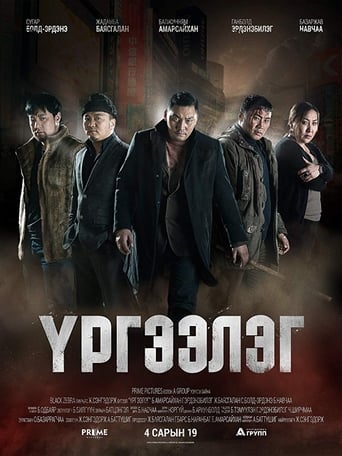
Drug and organ dealing are connected to each other like a spider web in the underworld of Mongolia. Once you step into the web, it's impossible to get out.

This story was created with cinematic imagination based on the true story of a North Korean defector family and a Mongolian border guard who chose the escape route to Mongolia.

A Mongolian soldier who took part in the liberation war of 1945 found an Inner Mongolian family that was seriously wounded and took him to a hospital. It is a story about the love between two young men, which tells about the girl of that family who has no family during the military service, but is forced to return due to the current situation.
Togtohtor Van (1797-1868), son of Bat-Ochir of Borjgin clan popularly known as To Van, was born in Sergelen Denj on the east side of Sang Dalai Lake in Setsen Khan Province, now Dornod Province. He succeeded his father in 1822 and held the office of head of the Hebei Assembly of Setsenkhan Province for 46 years until 1868. He carried out economic reforms in the province and organized multifaceted activities of industry, agriculture, animal husbandry, science and culture, churches, schools, and markets. In 1834-1838, near Tumen-Ulziyit Hill, he founded the "Culture Enhancing Temple" and a national grammar school with more than 300 students. He wrote the book "The School That Teaches the Birth of Hebei Wang", which became famous as "Teachings of To Wang". A historical film about this legendary man.
Film released in 1995
A young singer became an alcoholic after partying. His wife leaves his only daughter with his old mother and goes to a foreign country to live with a foreigner. When a young alcoholic goes out on the streets, no one will miss him anymore, and when he dies, he will have no one to bury him. Later, the only daughter became a medical student and repeated her studies on skeletons. When the cleaning lady talks about who this skeleton belongs to, the girl realizes that it is her father's bone. This film is based on the sad life of the famous singer Tserenjav.

Turbat, an architect by profession, lives off lending money at high interest rates after taking low interest loans from the bank together with his wife. When the borrowers fail to repay, the bank seizes their household possessions and the property of their small private business. After a tragic car accident, his wife ends up in prison. Their only daughter dedicates herself to fighting for her parents, doing everything she can. One day, she accidentally finds out that her father’s architectural project has been approved and lets out a cry of joy. Their lives, especially her father’s, begin anew.
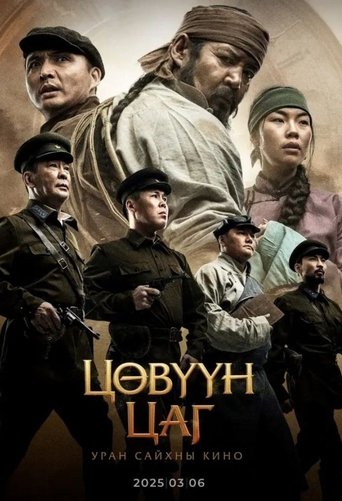
In 1911, Bogd Khan, with the help of his trusted spy Natsag, declares Mongolia’s independence. However, by 1928, the rise of the Comintern introduces a new threat. Under the guise of eliminating Baruuntan influence, the Comintern forces its control over Mongolia, shutting down religious monasteries and seizing private property. Riots erupt, forcing many to flee as the country descends into chaos. Natsag’s family, once secure, is swept into this storm, facing a personal and political unraveling as Mongolia enters its dark time.

The film shows Nandia, who tells her daughter that her father has gone bankrupt and believes that her father's business is gone and there is no one else to take care of the family, shaking up the fashion world and conquering it with her innovative designs to save her father's honor.
A mongolian interpretation of Kafka's "The Castle".
Horse racing, which is one of the three men's festivals of Mongolia, will be about its features and the skills and traditions of Mongolian horsemen that have been inherited for hundreds of years.
This movie tells about the infamous good stepmother and the life and happiness of the teachers of the childcare center working with orphans.
Zhula lives with her only son in the grasslands. One day, a man asks her to hire him. Zhula hires him but he doesn't want to tell his background.
As the unforgiving forces of nature take their toll on humans and animals, the unexpected return of snow devastates the nomad family’s livestock. 11-year old Sukbhat is forced to leave his childhood behind. Now the hopes of the family rely on the young boy who should tame and race the wild horse. An intense relation between father, son and their wild horse shows how nature overwhelms and influences human beings. Nobody remains unscathed after being confronted with the powers of the steppe.
Az is seven years old girl lives in small village with her parents. Az soon will have baby sister. It is the most joyful moment for her life. But this joy wouldn't last long, because her mother dies after the birth. Tseden will raise her daughters in difficult condition. But Az will struggle with all those difficulties. She becomes strong and smart, she will take care whole family. Tsende's sorrow will disappear as time passes. Tseden starts to sell milk in the city. Mean time two daughters stays home alone for few days. As their life gets better sad news comes from city. Tseden dies in an accident.

The work reflects the historical life of the great general D. Sukhbaatar, who started participating in the People's Revolution.
Criminals trying to sell drugs across borders in an organized manner will make the criminal situation worse during social transitions.
This film tells about the culture of the family and the relationship between the mother and the daughter through the clash of opinions between the mother and the daughter.

