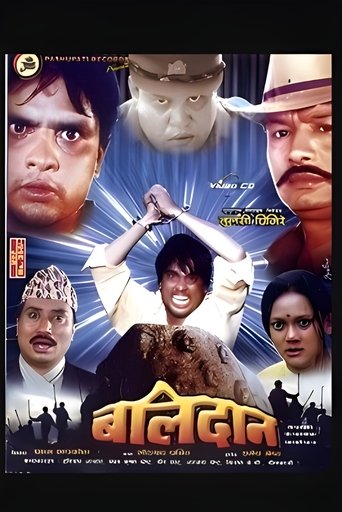
Balidaan 1997
Balidaan (Sacrifice) is a 1997 Nepali historical drama film set in Panchayat-era Nepal, and depicts a fictionalised version of the contemporary democracy movement.
Balidaan (Sacrifice) is a 1997 Nepali historical drama film set in Panchayat-era Nepal, and depicts a fictionalised version of the contemporary democracy movement.

In rural Darjeeling, Balvir and his companion make their living carrying fresh meat to market along the beautiful but treacherous mountain pathways. Exhausted by the backbreaking work, Balvir often pauses to question the meaning of his destiny, nevertheless conscious of the harmony of nature. When his friend falters under the weight of his heavy load, Balvir must determine his own next steps. ‘The Beaten Path’ is a gorgeous meditation on suffering and the simplicity of life.
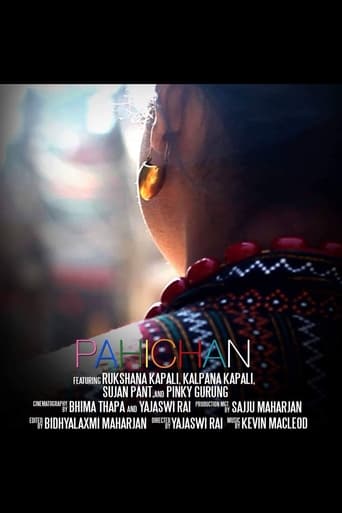
The story of Rukhsana Kapali, a 19-year-old trans woman in Nepala, showing her struggle for the acceptance and recognition of her identity.

A psychiatrist is trying to help a young schizophrenic patient win over his imagination with some rather unconventional methods.

Nepalese youths dance wildly!

A film crew travels across remote villages in Western Nepal looking for the perfect kid who can play the 'Hero' in their upcoming film.
The film is about how a virtual relationship through cell phone can influence a remote village and it's people and thereby brings forth a change which challenges the age old village set up, leading to a chaotic and humorous aftermath.
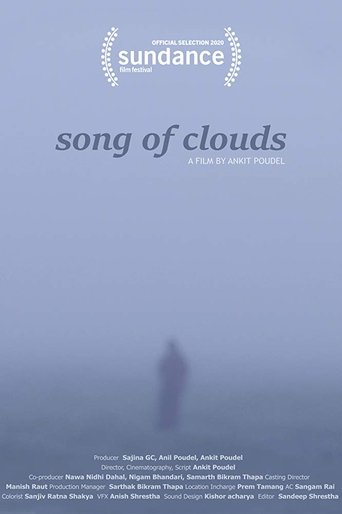
A haunting visual fever dream, and a meditation on the afterlife; the journey to the next world, and what gets left behind among the living.
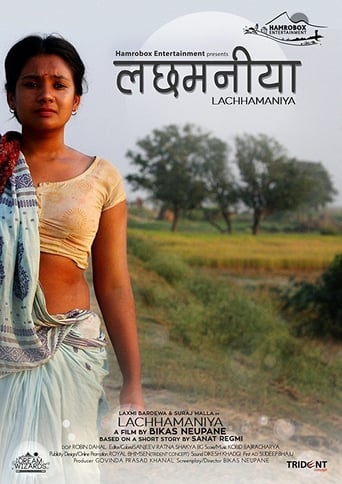
Lachhamaniya, according to the communal practice, was married at the age of five. She is now twenty years old and has never met her husband after the wedding. She lives at her natal home hoping her husband to come and take her with him. ‘LACHHAMANIYA’ is a story about the psychological conflict arising from the disagreement between the protagonist’s parents and in-laws and the consequences that follow.

This documentary explores the upbringing of transgender model Anjali, in a small village in the hilly district of Nuwakot, a district neighboring capital city Kathmandu, the discrimination she faced, the struggle she did after coming to Kathmandu and also about her dreams and hopes about the future.
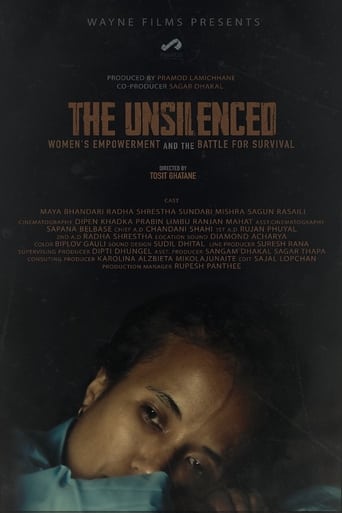
In the heart of Nepal, four women defy odds and challenge societal norms in their pursuit of empowerment and fulfillment. Radha, driven by a passion for acting, faces the harsh realities of domestic servitude after a childhood marriage, sacrificing her dreams for survival. Maya's quest for a better life leads her to Kuwait, where she becomes ensnared in the horrors of human trafficking but ultimately escapes to rebuild her life through entrepreneurship back home. Sundari, despite being a specially- abled dwarf, rises as a priestess in a male-dominated role, overcoming discrimination with unwavering resilience and devotion. Sukun, discriminated against for her low caste, perseveres amidst Nepal's majestic mountains, crafting handmade products to support her family and defy societal constraints. Each woman's story exemplifies the power of determination, resilience, and the refusal to be defined by circumstance, inspiring women everywhere to pursue their dreams against all odds.
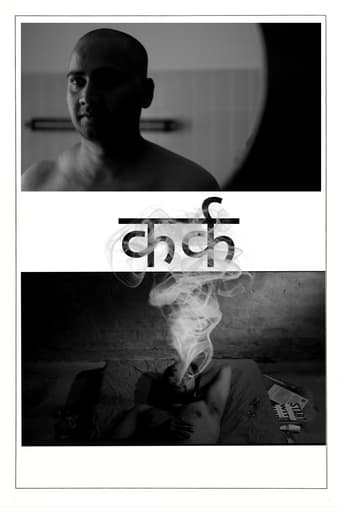
A man is addicted to cigarettes.

Story of two guys with a mystical twist
In 2005, Punam Tamang is nine, living in the Nepalese city of Bhaktapur. She lost her mother when she was five years old and since that time she has been the family caretaker to her small siblings while her father works from dawn till night. Punam tells us her story and she introduces us to her family, neighborhood, teachers, and friends. Four years later, life has changed for Punam, who is now thirteen. What she and her siblings had managed to avoid has now become an inevitability: in 2009, her narrative takes us to the local brick-making factory.
Set in lower Himalayas, it is an ominous piece that uses violent history of its people as a background in order to explore (and explain, perhaps) the people's struggle today. And yet, this history is visually absent from the screen.

The Australian sun baked the dreams of a group of students each fighting their own battle for building their future, recovering student loans, fulfilling of parent's demands and expectations. However the circumstances raise everyone's life and they have to face emotion, dramas, unraveling conspiracy, masterful performance and revenge with the ironic ending.
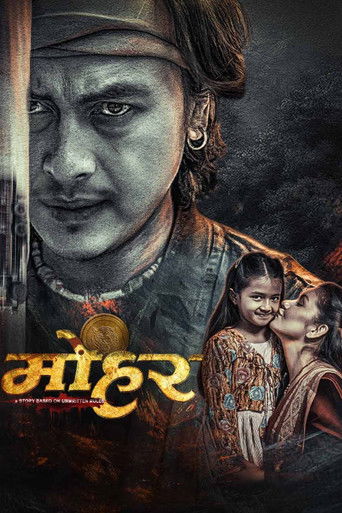
The story revolves around a schoolgirl who faces the hardships of poverty, discrimination, and the painful realities of early marriage. Her family, burdened by financial stress, sees little choice but to marry her off while she's still a child.
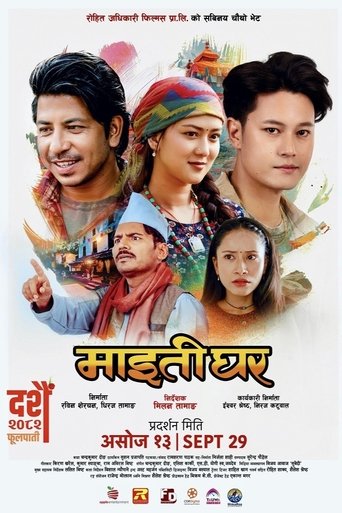
There are culture, tradition, dignity, and above all, there is love. Due to an unresolved issue, a thin border separates two families, preventing one from being acknowledged by the other. However, when love blossoms between a couple from each family, it raises concern and causes disruption throughout the entire village. Set in the modern era, the story blends traditional cultural values with a test of love that challenges a lover.
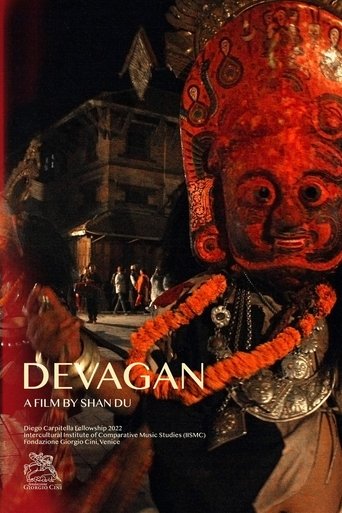
The term devagan refers to a group of Newar men who embody goddess Durgā in the 500-year-old Nava Durgā ritual in Bhaktapur, Nepal. Through the stories of three devagans within a single family, the film explores the transmission of myth, ritual knowledge, and devotion across generations. In addition to the ritual performance, the film also focuses on the devagans’ daily lives, revealing their hard work backstage and the challenges they face.
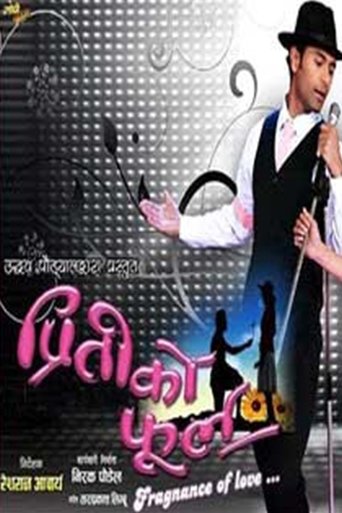
In a tangled love triangle, every confession raises more questions than answers, bringing only pain to those who dare to speak their hearts.
