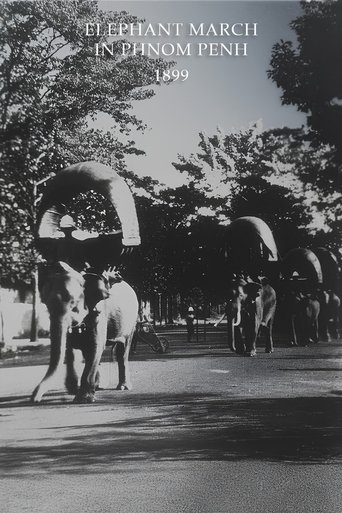
Elephant March in Phnom Penh 1899
Short actuality capturing an elephant procession in the streets of Phnom Penh: elephants bearing riders, walking through public space in procession, as part of local ceremony or spectacle.
Short actuality capturing an elephant procession in the streets of Phnom Penh: elephants bearing riders, walking through public space in procession, as part of local ceremony or spectacle.
One minute clip of the famous Paris boulevard.
Street scene: Arch de Triumph.
An actuality and reportage film. This film captures Lord Frederick Roberts (British Army rank Field Marshal) departing England for South Africa on 23rd December 1899, where he commanded British forces for a year in the Second Boer War. The ship in this film is the RMS Dunottar Castle. Going with Roberts is his chief of staff, Lord Kitchener, whose future role as Secretary Of State for War during World War One awaits him. This film was produced and distributed by the Warwick Trading Company, a London based company at its peak at this time, involved in the majority of British films.The Warwick Trading Company specialised in travel, reportage and actuality films and had substantial catalogues. Charles Urban had taken over as managing director in 1897 and was in that role when this film was produced. According to the BFI programme entry, the company had a large amount of resources already in South Africa. This meant they could capture historic moments as part of its Boer War coverage.

Asian remake of Employees Leaving the Lumiere Factory, apparently.
A group of riders demonstrate equestrian vaulting, or voltige, on the outskirts of Prague.

Showing room at the military prison at Rennes in which Dreyfus the accused is confined. He is visited by his counsel, Maître Labori and Demange, with whom he is seen in animated conversation. A visit from his wife is announced, who enters. The meeting of the husband and wife is most pathetic and emotional.
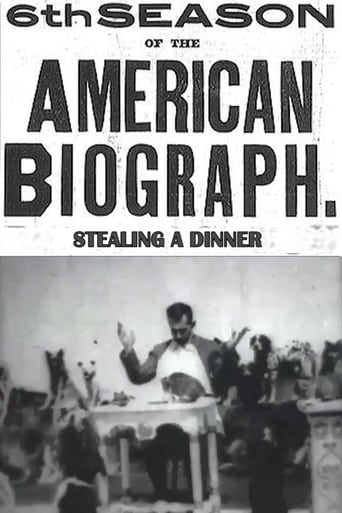
“Another exhibition by Prof. Leonidas' troop of cats and dogs. One of the dogs is shown stealing his dinner from the table in his master's absence. In order to cover his own crime, the dog places a cat on the table, where she is found when the master comes in.” (AMB Picture Catalogue, 1902)
Shows a group of sailors and an officer at the stern. The flag runs out in a ball to the end of the staff, and, at the signal, is broken. Proudly the stars and stripes wave in the morning breeze, while the officer salutes. A very pretty picture of man-o-war life.
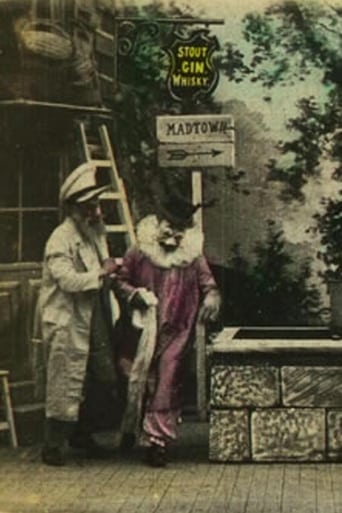
The clown and his automobile enters with great puffs of smoke
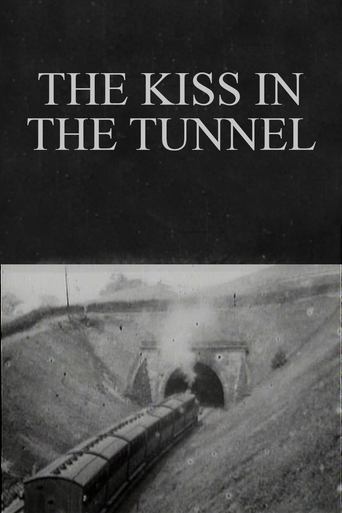
A train heads for a tunnel. In one car, a restless man smokes, and a woman is reading on the seat opposite him. In the darkness of the tunnel, he rises, crosses over to her seat and the two share a willing embrace and kiss. The train steams out of the tunnel toward us and past us. A Bamforth Films remake of George Albert Smith's The Kiss in the Tunnel (I) (1899).
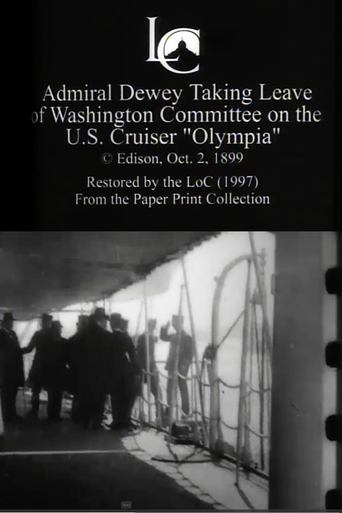
"Showing the gallant Admiral standing directly in front of the camera, life size, his head bare, graciously bidding his guests adieu. This was exhibited at the Eden Musee and Koster and Bial's, New York, to 18,000 people the next day after the picture was taken."
This picture shows the Columbia crossing the line, leading the Shamrock by about 1/2 mile. The Shamrock is plainly seen in the distance and she later comes up and crosses the line in the same picture.
A young woman in traditional Japanese attire fixes her hair and kimono while her servants assist her.
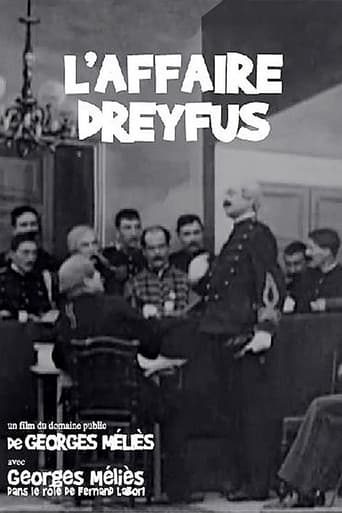
The first movie ever censored for political reasons. The title refers to the then contemporaneous Dreyfus affair in which a Jewish military officer was falsely convicted of treason, and it was alleged that he was framed due to anti-semitism.
Wilhelm II. arrives in Haifa, Israel.
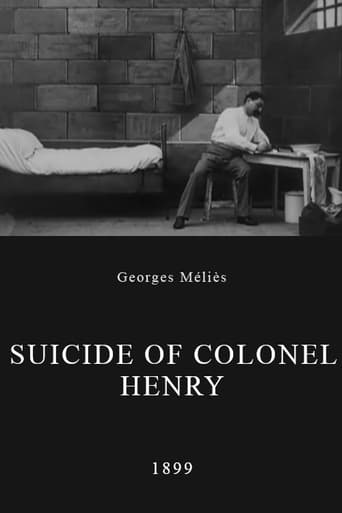
Shows the interior of the cell of the Prison Militaire du Cherche-Midi, Paris, where Colonel Henry is confined. He is seated at a table writing a letter, on completion of which he rises and takes a razor out he had concealed in his porte-manteau, with which he cuts his throat. The suicide is discovered by the sergeant of the guard and officers.
Carriages travel down the Champs Elysée.
