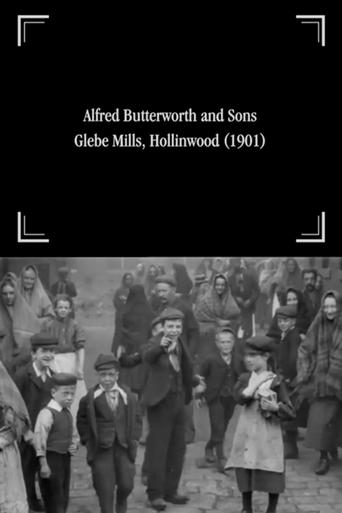
Alfred Butterworth and Sons, Glebe Mills, Hollinwood 1901
A flood of Lancashire cotton workers and their children at the end of another shift.
A flood of Lancashire cotton workers and their children at the end of another shift.
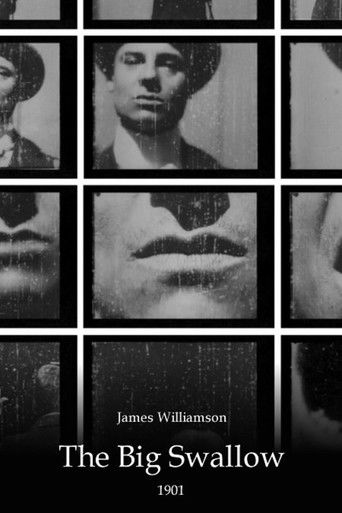
A man, objecting to being filmed, comes closer and closer to the camera lens until his mouth is all we see. Then he opens wide and swallows camera and cinematographer. He steps back, chews, and grins.
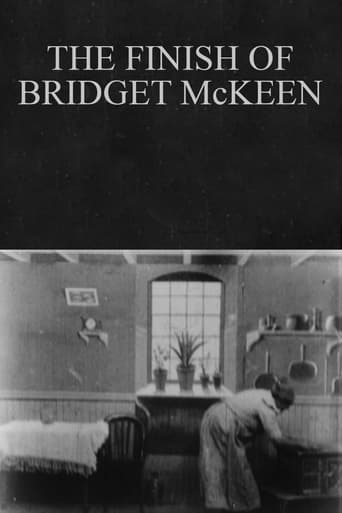
The cook has trouble lighting the stove, so she adds kerosene, with explosive results.

This wonderful dog "Mannie," owned by the vaudeville star, Miss Laura Comstock, is a most learned animal. He has been trained to perform all sorts of tricks, and his intelligence is, perhaps, most marked in his latest and most difficult feat, that of punching the bag. This picture depicts him in a bag punching performance which is really wonderful. His high jumps and lightning-like punches are remarkable and cause one to marvel at the amount of patience that must be necessary to teach a dog such tricks.
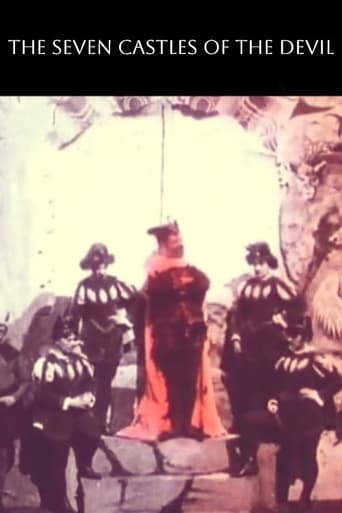
An unhappy woodcutter is temped by the devil with riches and honors. They visit seven castles, as the man acquires the Seven Capital Sins these castles represent. Pioneering trick effects include multiple exposures and dissolves in this early féerie.
Georgetown, 1901. A silver-mining town at 8,500 feet near the crest of the Rockies. Hooked somehow to the rear of a four-car passenger train is a camera that pans the scenery and, when the train goes around curves, looks ahead to see the engine and passenger cars: the passengers wave hundreds of white handkerchiefs out of the train's left-side windows for the benefit of the camera. The town comes into view; the tracks are above the town, so the camera looks down on dozens of modest rooftops as it pans the area. (AMB 1901, copyrighted 1903.)
A very short, simple trick film with some pool divers in reverse.
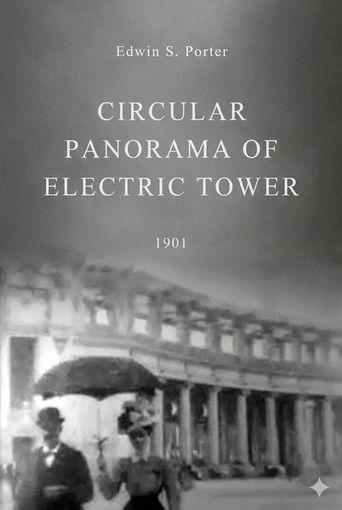
A most interesting picture at the Pan-American Exposition. The picture was taken from the north side of the Electric Tower. It presents the most perfect and diversified views of the Transportation Building, Mexican Plaza, the Stadium and the north side of the Electric Tower. (Edison Catalog, 1902)

Dranem enters the barracks and takes off his field kit in preparation for some bunk time. However, every time he gets down to his skivvies, his field undress and pack reappear on him, ready for field maneuvers!
As the above title indicates, the scene does not take place in an ordinary restaurant, but one in which all natural rules of order and gravitation are reversed. The couple above mentioned have a most trying experience while endeavoring to partake of a square meal. They find themselves flying about the room from chairs to table, and vice versa, until they are both completely bewildered, ending in a general mix-up, which is sure to provoke much merriment. The film was a Vitagraph production filmed somewhere between late 1899 and September 1900 at the company's rooftop studio in New York City, but later acquired and copyrighted by the Edison Company on December 1901.
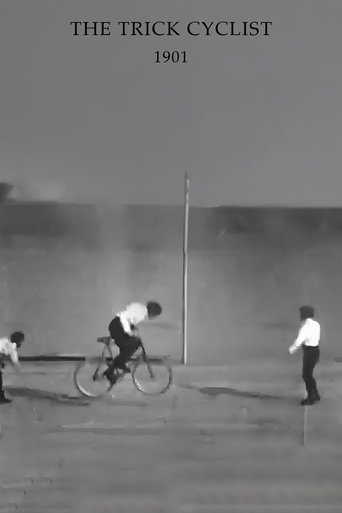
A comic short in which a tramp attempts to ride a bicycle, tumbling repeatedly before giving up in despair. A skilled rider then takes the stage, performing rope-jumping tricks while balanced on the wheel. Often attributed to British film pioneer R.W. Paul. Although Thomas Edison has sometimes been mistakenly named as director, he was never credited as director on any films.
This film is difficult to classify. It opens on a scene showing a mourner with bowed head sitting in front of what appears to be a tombstone. Shortly afterwards, the face of Abraham Lincoln and then of two other presidents, Garfield and McKinley, can be seen on the monument and then they disappear. There is a figure huddled at the foot of a statue of Justice, as if asking forgiveness.
Persons who have visited the "Hub," no doubt carried away with vivid recollections of Boston's famous system of Underground Transportation and this film takes the audience from the bright sunshine into the dim obscurity of the subway. The Underground stations and rows of Electric Arc lamps are plainly shown and, after traversing the tunnel for a considerable distance, the car finally emerges opposite the railroad depot.
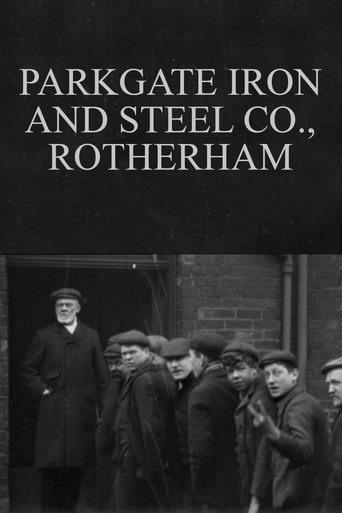
Edwardian workers react to the camera at one of Rotherham's major employers.
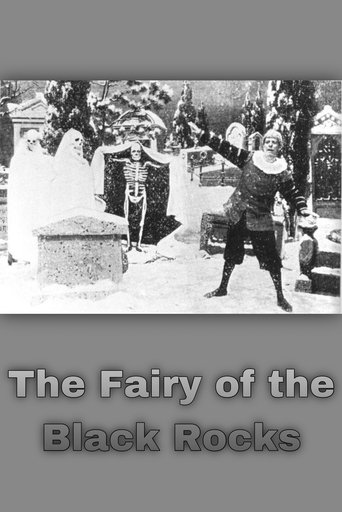
A peasant refuses to help a poor old woman to carry a bundle of wood. The old woman transforms to a beautiful fairy seated in a magnificent chariot and punishes the man with visions of phantoms in a cemetery in order to teach him a lesson.
Two lifeguards rescue a female bather after faltering and sinking while swimming.
Comedy short film by Georges Méliès.
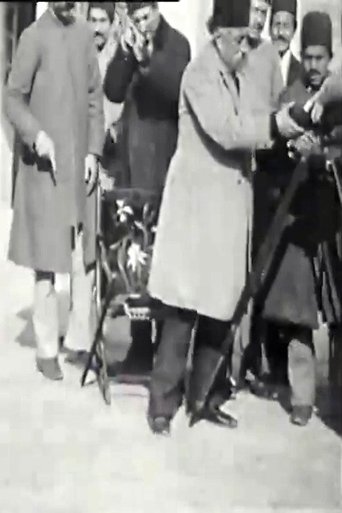
This film that is recorded on the roof of Golestan Palace, shows Mozaffar ad-Din Shah Qajar and the rest of palace residents walking and looking far at the sky to watch or shoot birds. It might at first look like a short documentary movie but it is actually a drama in which the Shah plays the role of himself in an attempt to remake the real hunting/watching scene.
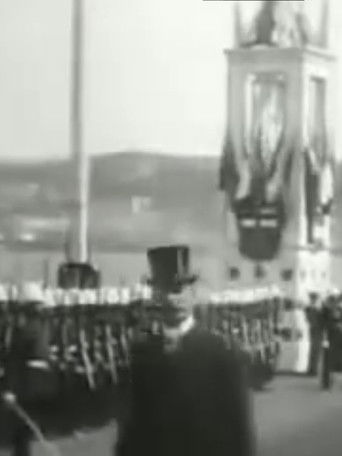
"This film shows the citation, presentation, and dedication of a bridge by the Duke of York, later King of England and grandfather of Queen Elizabeth. Many high-ranking military officials of both England and Canada are with him"- Early motion pictures.
