The Telephone 1910
An impressive Vitagraph short, one of many popular firemen-to-the-rescue films of the time.
An impressive Vitagraph short, one of many popular firemen-to-the-rescue films of the time.
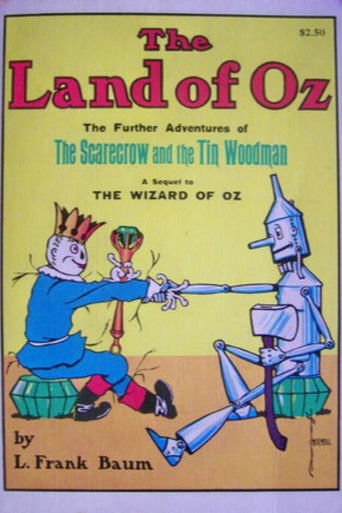
The Emerald City in all its splendor with all the familiar characters so dear to the hearts of children - Little Dorothy, the scarecrow, the woodman, the cowardly lion, and the wizard continuing on their triumphal entry to the mystic city, adding new characters, new situations, and scintillating comedy. Dorothy, who has so won her way into the good graces of lovers of fairy folk, finds new encounters in the rebellion army of General Jinger [sic] showing myriads of Leith soldiers in glittering apparel forming one surprise after the other, until the whole resolves itself into a spectacle worthy of the best artists in picturedom. Those who have followed the two preceding pictures of this great subject cannot but appreciate "The Land of Oz," the crowning effort of the Oz series.
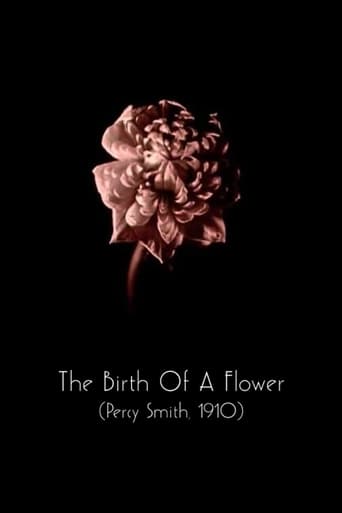
"Percy Smith (1880-1944) was world famous as a photographer of plant life. Probably the first British example of time-lapse photography as applied to the growth of plants." Monthly Film Bulletin, November 1955.
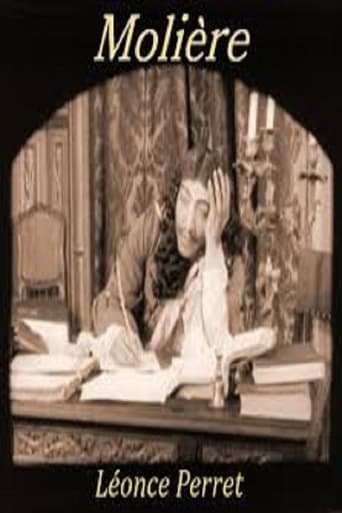
A film about the life of Molière (1622-1673).

A graphic reproduction of Jules Verne's famous story under the above title. It deals with a secret mission in Russia
Russian hunters on horse and a pack of borzois hunt down and kill a wolf.
Harry loved Betty, and vice versa, but Harry was very shy. No matter how he tried, he never could muster up sufficient courage to propose, despite the fact that Betty always endeavored to help him out. An idea! He writes his proposal, and invents a sentimental code of signals. The letter reads: "If you will accept me, wear red roses; if you are in doubt, the pink. If you do not love me and reject me, wear the white."
A rich nobleman steals a perfume merchant's wife just prior to the French Revolution, in which the perfumer is a leader of the peasants. His priest made him swear an oath to leave vengeance to God, however.
The scenes are laid in the Hudson Bay country in comparatively recent years and cover the life of a Hudson Bay factor, showing him as a young man assuming his business in the wilderness and, as was common in those days, taking an Indian wife that he had purchased of her father in Indian fashion.
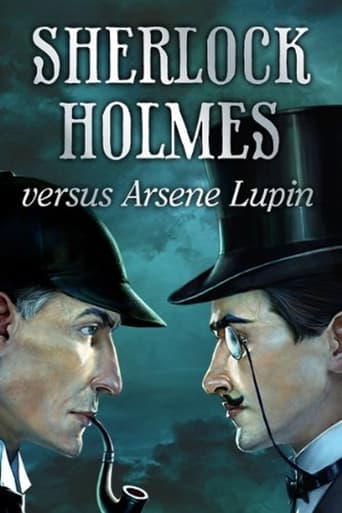
German adaptation of Maurice Leblanc's "Arsène Lupin versus Herlock Sholmes" stories. German copyright laws allowed the producers to return "Sholmes" to the proper "Sherlock Holmes" who was portrayed by Viggo Larsen.
A Husband thinks the grass is greener on the other side of the fence. His wife shows him its not.
Directed by J. Stuart Blackton.
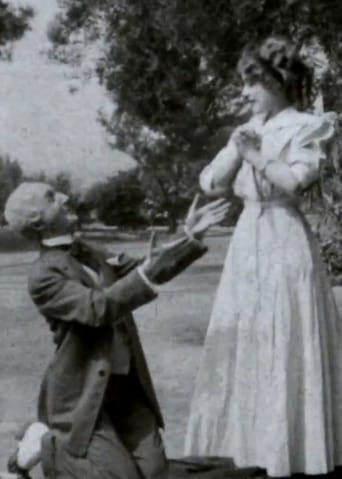
The quartet comprising this story are of ages as the months are to each other. June, a young college boy, finds his resources in depletion, and to improve his financial condition, proposes to October, a wealthy spinster of the "where-is-he" stage, and is accepted with avidity, and so these two soul "mis"-mates start their engagement inning. Later, December, a wealthy old bachelor, proposes to May, a pretty miss of eighteen, and the promise of fine gowns, jewels and automobiles, so dear to the heart of the fair sex, induces her to accept with half-hearted tolerance, hence they also start the engagement period. Everything goes finely until the quartet meet.
In the opening of this subject we find the callow youth as he points towards the city's spires, exclaiming to his dear old mother, "Mother, there in the big city is my sphere. There will I turn the world over." Off he goes cityward, ambitious and presumptuous, and perhaps we may add reckless. Alas, the city's whirl is quite a change from the simple quiet life in the country and the youth falls a victim to the snares that beset the unsophisticated.
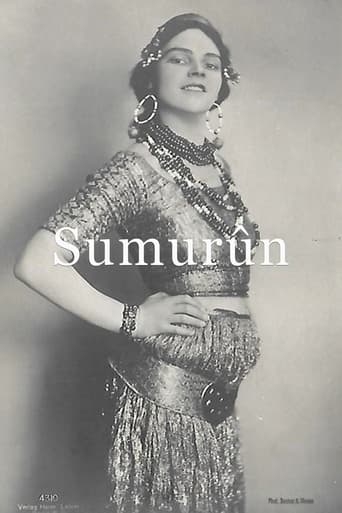
Earlier version of Reinhardt Orientalist pantomime, later remade by Lubitsch: a pathetic hunchback performer and a flirtatious dancing girl get involved at the court of a despotic Arabian desert sheikh, complete with sinister eunuchs.
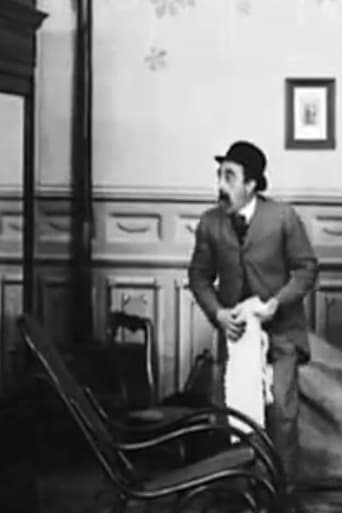
A man who no longer can afford his rent is forced to sell his beloved furniture. The furniture can not bear to be parted from their owner and decides to return home. Often confused with Bosetti's film Le Garde meuble automatique (1912).
After graduating from an Indian school where he has acquired an education and schooling in the ways of the white man. Ta-wa-wa, a young Indian, returns to his native territory and far western home. On the way to the tribe's encampment he stops at Vail's ranch, meets Kawista, his boyhood sweetheart, who greets him cordially and with a frank admiration for his gentlemanly appearance. While they are exchanging greetings the postman enters and hands a letter to Mr. Vail from Col. Leigh, an Englishman, stating that he will visit the ranch with Lord Wyndham, an English lord who expresses a desire to see a real Indian powwow.

