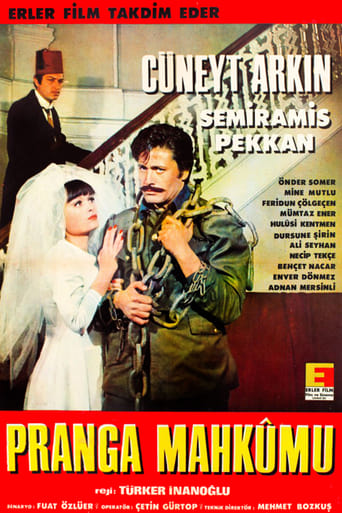
Pranga Mahkumu

Pranga Mahkumu 1968

1

Captain Talat and Necip work in charge of the security chief Mansur Pasa. Talat fancies Necip's cousin Cemile. Necip makes a plot declaring Talat a traitor. Necip wants to marry Cemile but she commits suicide on their wedding night. Talat gets out from prison and joins a gang of bandits. Necip gets engaged with Mansur Pasa's daughter Cavidan. Talat kidnaps her, and tells her father they have spent the night together. Talat is prisoned. The gang rescues him and Talat prevents Cavidan from marrying Necip by revealing the truth about Necip to her father so finally Mansur Pasa agrees to their marriage. Happy days commence for the loving couple..

1968

Fatalista

Fatalista 1968

1

Adaptation of a short story by Michał Lermontow. Forces stationed in the Caucasus. Lieutenant Wulicz is a fatalist. He believes that everyone has a fate that cannot be avoided. To prove it, he puts a loaded pistol to his temple ... but it doesn't fire. Lieutenant Pechorin listens doubtfully to his colleague's arguments. Accompanied by a premonition, Wulicz will die soon. Will his premonitions prove to be prophetic?

1968

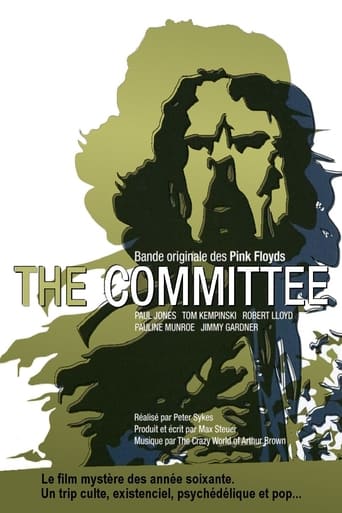
The Committee

The Committee 1968

4.50

The Committee, starring Paul Jones of Manfred Mann fame, is a unique document of Britain in the 1960s. After a very successful run in London’s West End in 1968, viewings of this controversial movie have been few and far between. Stunning black and white camera work by Ian Wilson brings to life this “chilling fable” by Max Steuer, a lecturer (now Reader Emeritus) at the London School of Economics. Avoiding easy answers, The Committee uses a surreal murder to explore the tension and conflict between bureaucracy on one side, and individual freedom on the other. Many films, such as Total Recall, Fahrenheit 451 and Camus’ The Stranger, see the state as ignorant and repressive, and pass over the inevitable weaknesses lying deep in individuals. Drawing on the ideas of R.D. Laing, a psychologically hip state faces an all too human protagonist.

1968

Soft Rain

Soft Rain 1968

1

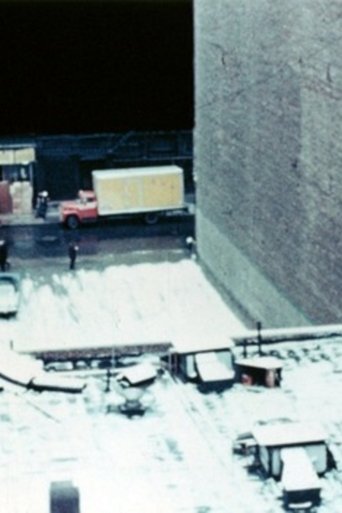
Three identical prints of a single 100 foot fixed-camera take are shown from beginning to end-roll light-flare, with a few feet of blackness preceding/bridging/following the rolls. …The loop repetition (the series hopefully will intrigue you to further run-throughs) automatically imparts a steadily growing rhythmic sense of the street-activities. Anticipation for familiar movement-complexes builds, and as all smaller complexities join up in our knowledge of the whole the purely accidental counter-passings of people and vehicles becomes satisfyingly cogent, seems rhythmically structured and of a piece. Becomes choreography.

1968

Farewell

Farewell 1968

5.80

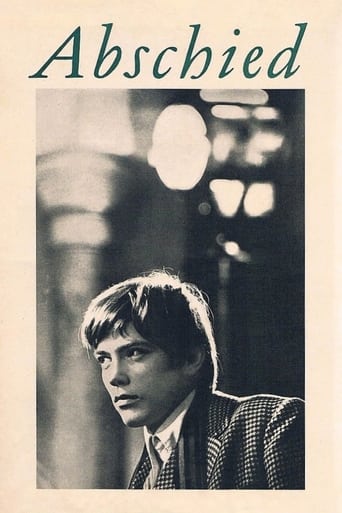
In August of 1914, amidst the public ecstasy surrounding the impending war, Hans Gastl, the young son of a Munich bürger, makes a decision: he will not take part in this war. This resolution signifies a turning point in his life; a farewell to his class and his family.

1968

Witchfinder General

Witchfinder General 1968

6.51

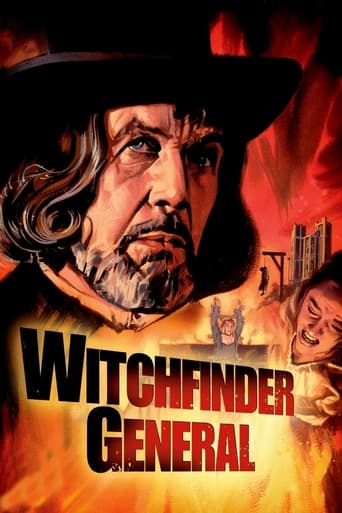
England, 1645. The cruel civil war between Royalists and Parliamentarians that is ravaging the country causes an era of chaos and legal arbitrariness that allows unscrupulous men to profit by exploiting the absurd superstitions of the peasants; like Matthew Hopkins, a monster disguised as a man who wanders from town to town offering his services as a witch hunter.

1968

Marathon

Marathon 1968

5.40

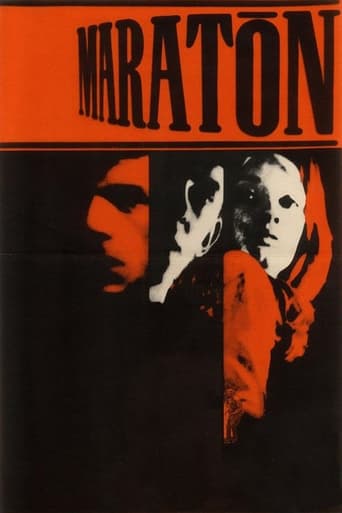
It is 5 May 1945 and the uprising against the hated German occupiers has broken out in Prague. The Czech guards open the gate of the Pankrác prison to allow the prisoners to escape en masse. Many of them are shot dead by the German guards but young Ruda (Jaromír Hanzlík) manages to run away. He is taken care of by one of the Prague fighters, concierge Kytka. Kytka hides him in the flat of the house's owner where only the young maid Karla (Jana Brejchová) is left, ordering her to take care of Ruda.

1968

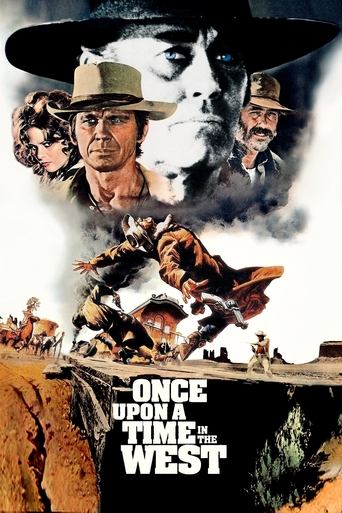
Once Upon a Time in the West

Once Upon a Time in the West 1968

8.28

As the railroad builders advance unstoppably through the Arizona desert on their way to the sea, Jill arrives in the small town of Flagstone with the intention of starting a new life.

1968

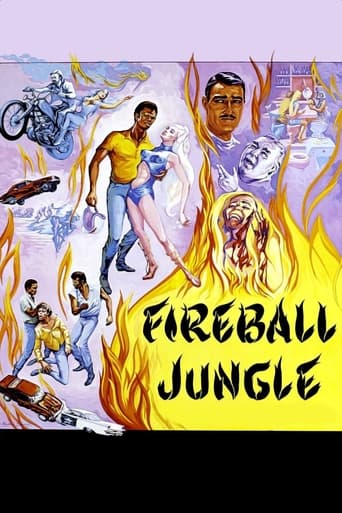
Fireball Jungle

Fireball Jungle 1968

6.00

Ambitious driver, wanting to get to the top of the stock-car circuit, gets mixed up with gangsters.

1968

Královský omyl

Královský omyl 1968

5.00

The High Royal Chamberlain is accused of treason and imprisoned. Even if the suspicion proves to be unfounded, the prisoner finds his life in danger, because the royal majesty must not admit error. If the unfortunate man had confessed, he could have been pardoned, but the Vice-Chamberlain refuses such a solution as a matter of principle... This historical story, which aspires to the dimension of a parable, takes place at the dawn of the reign of John of Luxembourg.

1968

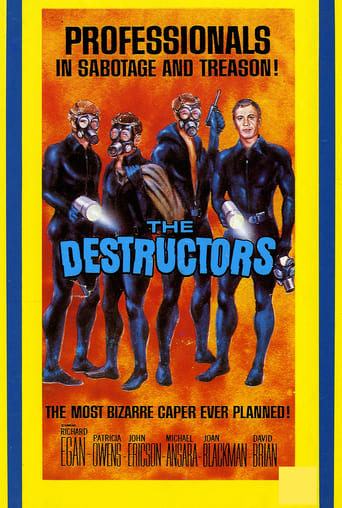
The Destructors

The Destructors 1968

5.20

Foreign agents are after a substance called "laser rubies" that can power a killer laser beam. Government agents are dispatched to protect the rubies and eliminate the foreign agents.

1968

Hot Summer

Hot Summer 1968

5.80

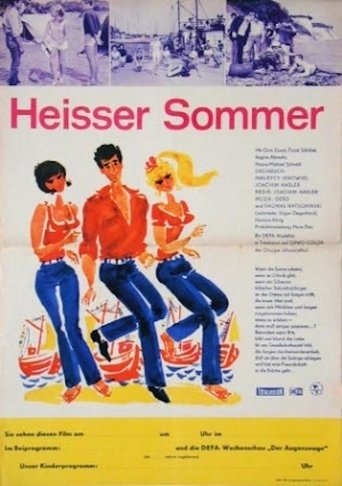
In this East German teen musical, a group of girls are planning to take their summer vacation together on the Baltic coast. When a loud and obnoxious group of boys intrudes on their holiday, the girls are horrified to learn that the boys have the same vacations plans as them. The two groups quarrel with each other and compete over a number of things, but gradually an attraction starts to form.

1968

Ooh La La!

Ooh La La! 1968

1

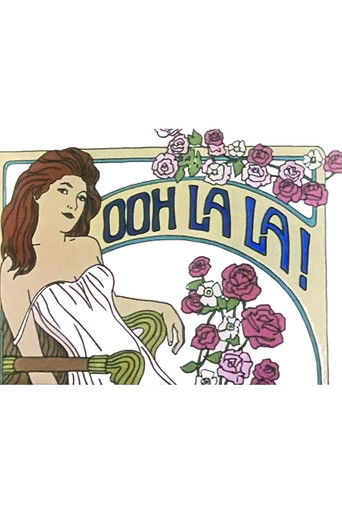
Series based on the short French farces written by Georges Feydeau, Eugène Labiche, Marc Michel and Sacha Guitry. All of them include mistaken identities and impeccable timing.

1968

Sabu and Ichi's Detective Stories

Sabu and Ichi's Detective Stories 1968

1

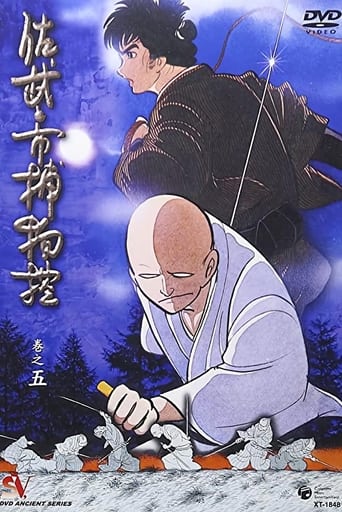
The series follows the adventures of Sabu, a young Edo bakufu investigator traveling with the blind master swordsman Ichi. In their travels, they assist the common people in solving mysteries and righting wrongs (usually committed by bandits or corrupt officials). Sabu is engaged to Midori, the daughter of his boss, who works as a police officer for the Tokugawa shogunate.

1968

The Morecambe & Wise Show

The Morecambe & Wise Show 1968

6.00

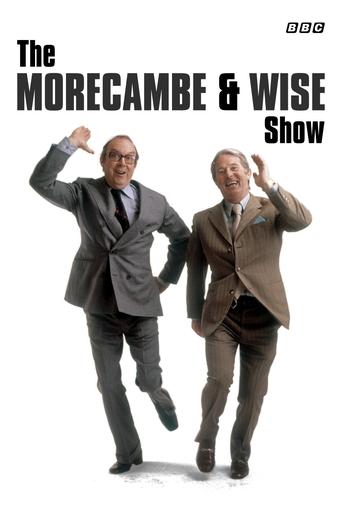
Long-running BBC variety show presented by Britain's best-loved comedy duo, Eric Morecambe and Ernie Wise. Based around irreverent stand-up routines, comedy sketches and comical song and dance numbers involving a stream of beleaguered guests, the series ran for nearly a decade from 1968 to 1977 and included sketches such as 'Singin' in the Rain' and 'The Breakfast Stripper'.

1968

The Borderers

The Borderers 1968

1

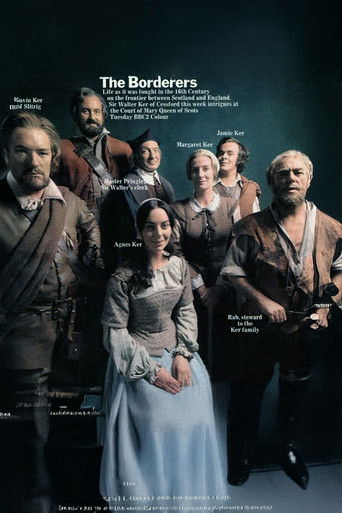
The Borderers is a British television series produced by the BBC between 1968 and 1970.

1968

The Good Guys

The Good Guys 1968

6.00

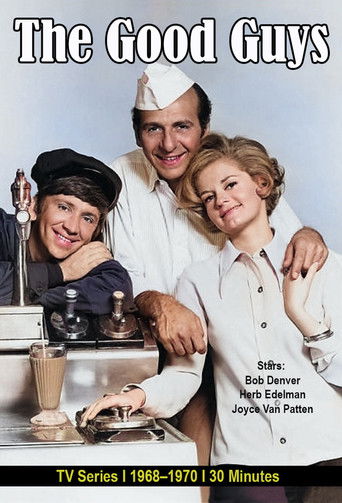
The Good Guys is an American sitcom which aired on CBS from September 25, 1968 to January 23, 1970. 42 color episodes were filmed in all. As with The Governor & J.J. and Get Smart, it was produced by Talent Associates and CBS Productions. CBS Television Studios also owns the rights to this program as well.

1968

The Banana Splits Adventure Hour

The Banana Splits Adventure Hour 1968

7.28

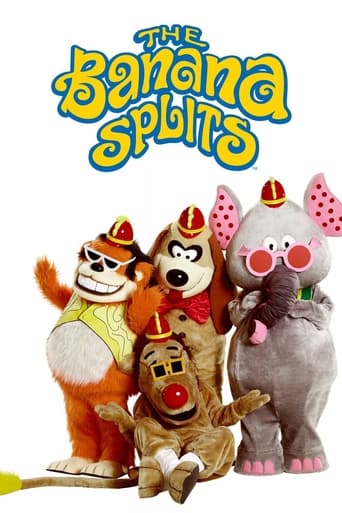
The Banana Splits Adventure Hour was an hour-long, packaged television variety program featuring The Banana Splits, a fictional rock band composed of four funny animal characters. The series was produced by Hanna-Barbera, and ran for 31 episodes on NBC Saturday mornings, from September 7, 1968, to September 5, 1970.

1968

MRN

MRN 1968

9.00

MRN (1968) (TV) Rated TV-PG

1968

The Archie Show

The Archie Show 1968

8.00

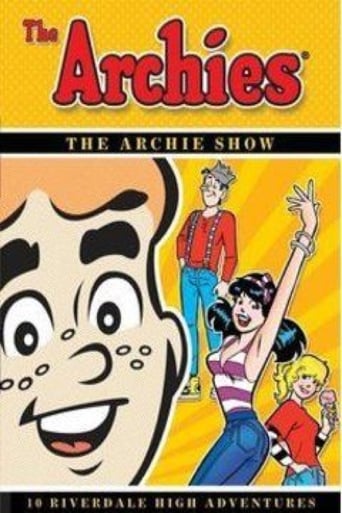
The Archie Show is a Saturday morning cartoon animated series produced by Filmation. Based on the Archie comic books, created by Bob Montana in 1941, The Archie Show debuted on CBS in September 1968 and lasted for one season. A total of 17 half-hour shows, each containing two 11 minute segments, were aired. Archie cartoons continued to be aired in various forms until 1978.

1968

The New Adventures of Huckleberry Finn

The New Adventures of Huckleberry Finn 1968

5.10

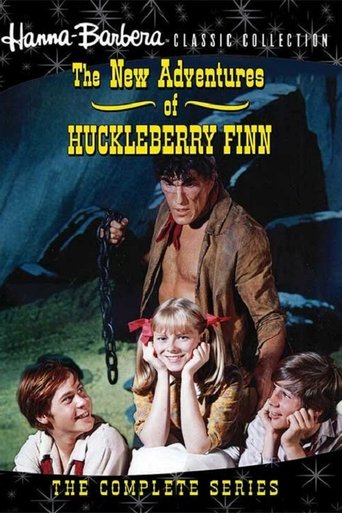
The New Adventures of Huckleberry Finn is an American children's television series that originally aired on NBC from September 15, 1968 through February 23, 1969. Produced by Hanna-Barbera and based on the classic Mark Twain characters, the program starred its three live-action heroes, Huck Finn, Becky Thatcher, and Tom Sawyer, navigating weekly adventures within an animated world as they attempted to outrun a vengeful "Injun Joe". After the show's original run, the series continued to air in reruns as part of The Banana Splits and Friends Show syndication package.

1968

Mighty Jack

Mighty Jack 1968

6.00

Mighty Jack was a tokusatsu SF/espionage/action TV series. Created by Japanese effects wizard Eiji Tsuburaya, the show was produced by Tsuburaya Productions and was broadcast on Fuji TV from April 6, 1968 to June 29, 1968, with a total of 13 one-hour episodes. The music for the episodes was done by Isao Tomita and Kunio Miyauchi. Reportedly, Eiji Tsuburaya considered this series his masterwork because the focus was on the people rather than on the vehicles and special effects This focus on the people was similar to the works of Gerry Anderson, of which Eiji was a big fan. The Mighty Jack mecha/HQ featured in this series also has some similarities to Eiji's previous TV masterpiece, Ultra Seven. Even for the original series of 13 one hour-long episodes, the ratings were low. The follow-up series, Fight! Mighty Jack, fared better in the ratings, perhaps because of its inclusion of monsters and aliens rather than purely human evil-doers like Q.

1968

The First Lady

The First Lady 1968

1

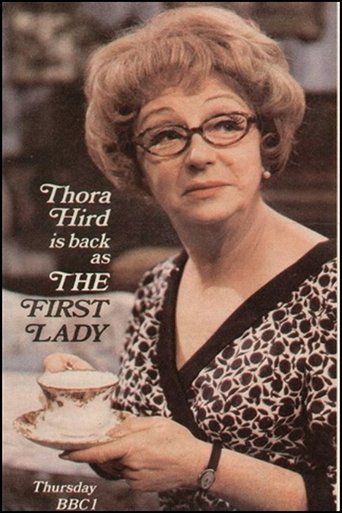
The First Lady is a British television drama produced for BBC One, starring Thora Hird as crusading local councillor Sarah Danby, set around the fictional Lancashire borough of Furness. Capitalising on the popularity of its lead actress, The First Lady was a down-to-earth series exploring the inner workings of local government.

1968

How We Used To Live

How We Used To Live 1968

6.00

How We Used to Live is a British educational historical television drama written by Freda Kelsall and sometimes narrated by Redvers Kyle and John Crosse, both employed as continuity announcers at Yorkshire Television at the time of production. Production began in 1968 at the YTV studios in Leeds. The series traced the lives and fortunes of various fictional Yorkshire families from the Victorian era until the 1960s, in and around the fictional town of Bradley, using self-contained short dramas interspersed with archive footage.

1968

Family of Three

Family of Three 1968

1

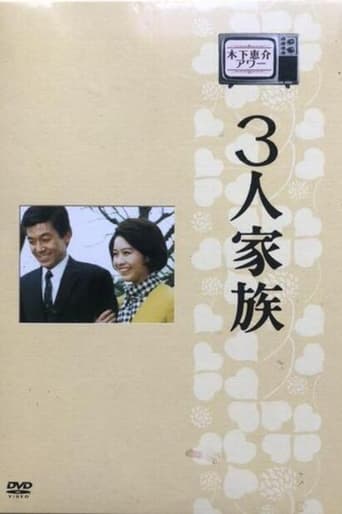
The drama features two families, the all-male Shibata family and the all-female Inaba family, and depicts the interactions between the two families with many amusing and heartwarming episodes.

1968

Les Dossiers de l'Agence O

Les Dossiers de l'Agence O 1968

10.00

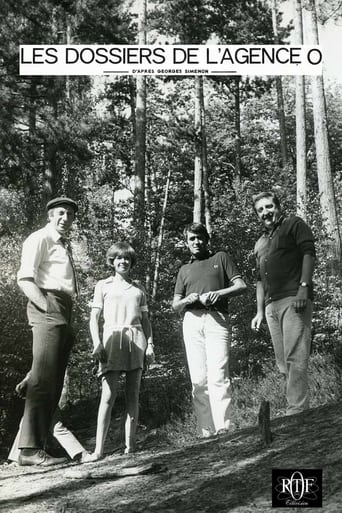
L’Agence O is a famous Parisian private detective firm. Its premises are located in the Passage Choiseul. In front, Torrence leads the shop. In fact, the agency's team is complemented by Émilie le Roux, Mademoiselle Berthe and Barbet, who scrutinize clients through a one-way mirror located behind the desk. Getting hold of a man disguised as an old lady, solving the mystery of the Prisoner of Lagny or discovering who is blackmailing the painter Tigrane Alban does not worry the experts at the O Agency. Les Dossiers de l’Agence O is a French-Canadian television series in thirteen episodes of approximately 55 minutes created by Marc Simenon and broadcast first in Quebec from December 14, 1967 to March 13, 1968 on Télévision de Radio-Canada, then in France from March 11 to June 3, 1968 on the first channel of the ORTF.

1968

Barnaby

Barnaby 1968

7.00

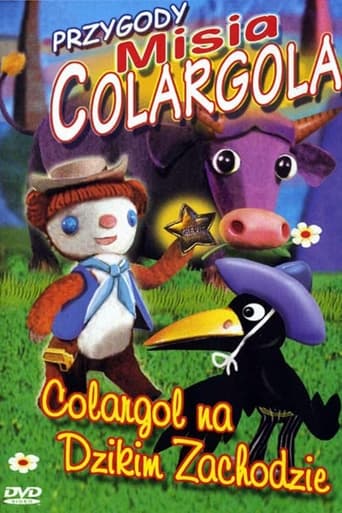
A French/Polish stop-motion animated TV series starring Colargol, a little bear who wants to sing and travel the world. The series was renamed Barnaby when it was dubbed into English and broadcast in the UK by the BBC.

1968

Sasuke

Sasuke 1968

7.67

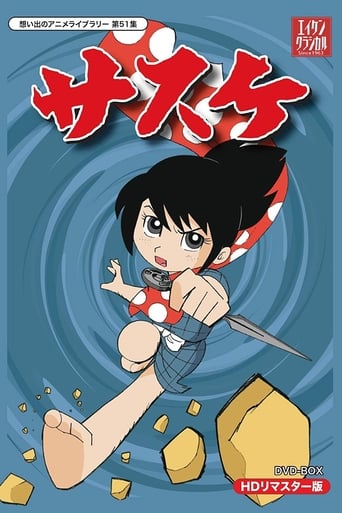
Sasuke is the son of a very skilled ninja, whose name is Ozaru. After the defeat of their lord, Yukimura Sanada, Tokugawa's and Hattori's ninjas begin to persecute all their enemies still alive: that means Ozaru and Sasuke must leave their house and start a violent struggle for their own life. Danger, vengeance, anger, loyalty, pain are the basic elements of this story, where the worst aspects of the human soul are described together with the growth of the main character, the young Sasuke.

1968