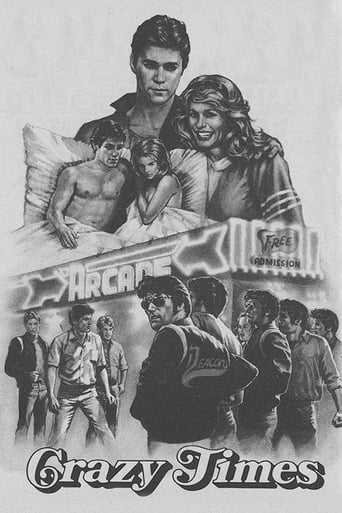
Crazy Times 1981
Follows the exploits of three teenage friends sharing the good times back at Rockaway Beach, Queens, New York during the summer of 1955.
Follows the exploits of three teenage friends sharing the good times back at Rockaway Beach, Queens, New York during the summer of 1955.
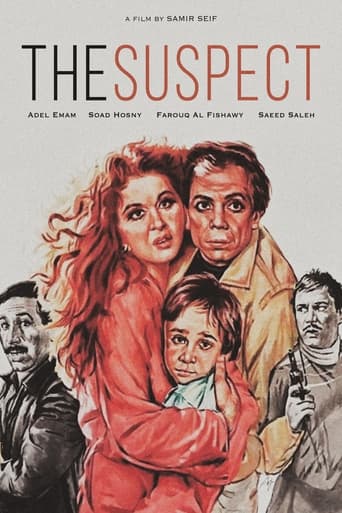
The film tells the story of an ex-burglar who is struggling to lead a normal life with his wife and little son. His elder brother pressures him to return to burglary.
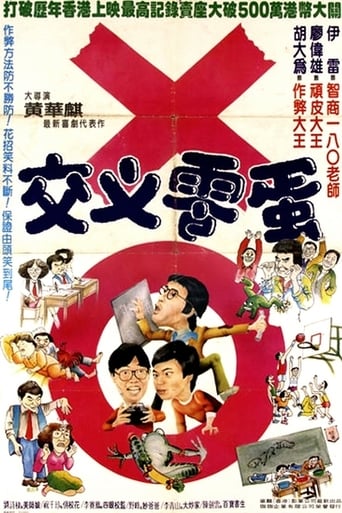
In the pressure-cooker environment of Hong Kong’s education system, students grapple with a relentless barrage of exams and mind-numbing lectures. The strain becomes so overwhelming that it leads many students down the path of rebellion. Mr. Tai (Lui Wai-hung) is a dedicated, albeit nerdy, high school biology teacher who finds himself with his hands full, contending with a group of troublesome teenagers. These unruly students go to great lengths to make Mr. Tai’s life a living nightmare, often with comically disastrous consequences. Amidst this chaos, Ye Feng plays the role of the father of the protagonist. He inadvertently gets caught up in the raucous antics and pandemonium that unfold within the school. This film marked Ye Feng’s final appearance in cinema.

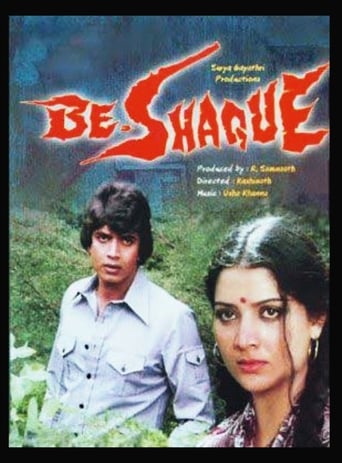
Prakash meets and falls in love with Roopa, who lives a middle-class lifestyle with her widowed mother, Radha, and servant, Gopal. Prakash will soon find out that all is not well when he comes across a framed photograph of Roopa in the company of a young man, and yet another photograph with the same man, as well as a child in Roopa's arms.
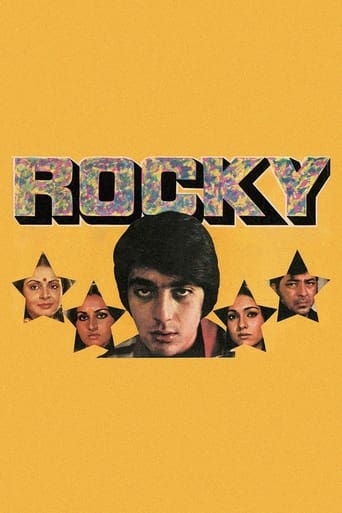
After his father's death, a traumatised Rakesh is adopted by a Christian couple who rename him, Rocky. Years later, he realises his true identity and vows to avenge his father's murder.
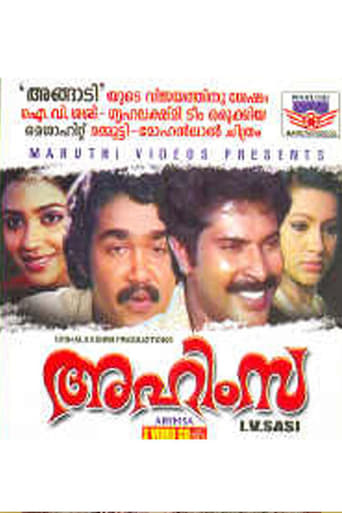
Talks about the Hindu-Muslim politics and conflicts in Kerala which are connected to some of the feudal lords who incite the tension.
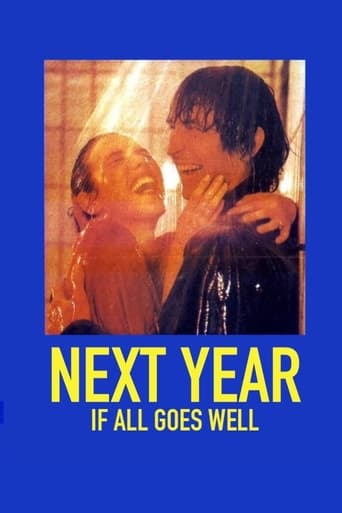
Isabelle and Maxime are a pair of lighthearted lovers -- that is, until Isabelle gets the itch for motherhood. When she confesses her desire for a child, Maxime panics. As a cartoonist by trade he is far from financially stable, so he outright rejects the idea of parenthood. What follows is a roller-coaster romance full of recriminations and reconciliations, until Maxime must ultimately decide whether his fear of becoming a parent is a reason to leave.
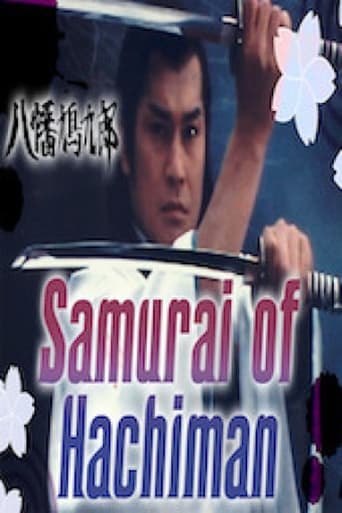
A mysterious swordsman called Hatokuro Yawata (Ken Matsudaira) who appeared from somewhere with white pigeons is actually Naotada Ii, the lord of Hikone Han. He was told that he had an older brother of twin by his mother on her deathbed. Hatokuro pretended to be a citizen in Edo and searched for his brother. However, in Edo, Murasaki Gumi, led by the mysterious Murasaki had power and used it as they like. One day, Hatokuro saved Okyu whose office-worker father was killed from Sanjuro Akaseki of Murasakigumi. It brought about a fierce fight between Murasaki and Hatokuro. What is the identity of Murasaki!?
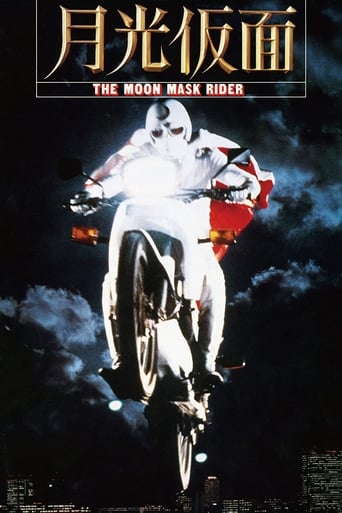
The Moon Mask Rider is a tokusatsu movie produced by Purumie International/Herald Enterprises and distributed by Nippon Herald Pictures, was released theatrically on March 14, 1981. Considered Japan's answer to the American box-office fiasco, The Legend of the Lone Ranger (released the same year), this updated version of the Moonlight Mask legend bombed at the Japanese box-office. Daisuke Kuwahara (who, like Klinton Spilsbury , disappeared from doing films) plays George Owara (Moon Mask Rider's new alter-ego), and the rest of the cast made up of veteran action starlets: Sue Shihomi, Daijiro Harada and Takayuki Godai.
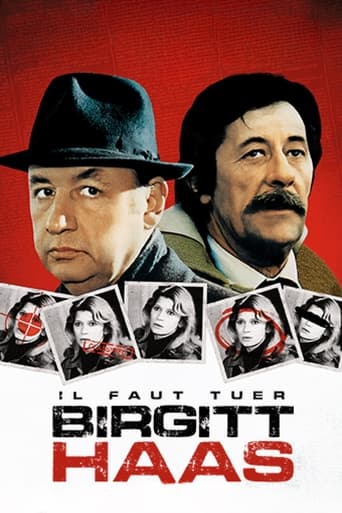
"Hangar" is a new agency whose purpose is to carry out missions even too sensitive for the police or intelligence services. The agency must eliminate a German female terrorist by the name of Birgitt Haas. The murder is to be disguised as a crime of passion, so an agent must lure Birgitt into falling in love.
Hairstylist Misa meets S&M enthusiast Ippei and is convinced to give it a try. Then later, Ippei's ex-wife, who happens to be one of Misa's beauty shop clients, begins a sexual relationship with her. The lesbian affair is also accentuated by some more S&M.
Police corruption is the theme of this brutal harbinger of the bleak "new wave" crime thriller. Pai Piao, Danny Lee, and "Venom" Sun Chien star as idealistic police school graduates who run afoul of such vicious, murderous depravity that the cop who is killed first could be considered the lucky one.
Toriko is a sexually frustrated wife who gets involved in swapping games with her neighbors.

Tony Curtis is the ruthless head of a cosmetics firm, Kiss of Gold, locked in fierce competition with his arch-rival, Glamour, Inc., that happens to be run by his former lover (Lee Grant), and finds his company in the grip of a power struggle among his executives (one of whom, unbeknownst to him, is the son he'd never met) when he is severely injured in a helicopter accident. This pilot to a prospective primetime soap opera failed to generate network interest.
Kung fu champ John is given the chance to train CIA agents in martial arts by using self-hypnosis. But when he discovers the reason, he escapes and the CIA go after him. John must fight for his life all over Europe as he flees the CIA.
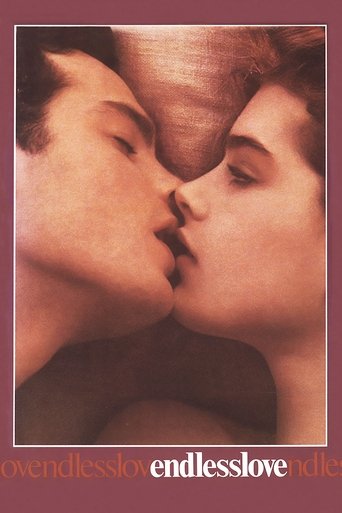
As their romance unfolds, Jade and David's growing love for one another becomes the scorn of Jade's father. However, when Jade's grades begin to drop, her father forbids the young couple from seeing each other for 30 days. Driven insane with frustration and desire, David attempts to reverse the decision, with catastrophic results.
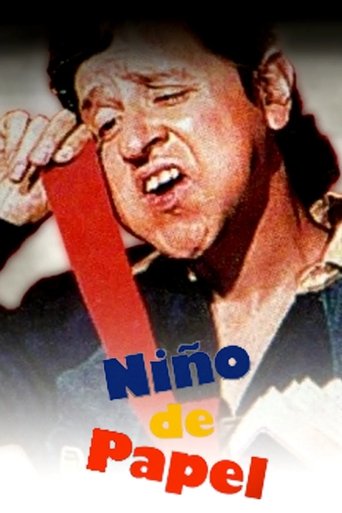
An orphan who sells newspapers on a street corner, instead has a large family on the streets of the city: an old uncle with whom he lives, a kindly false manager from a bank, a substitute mother at the vendor of arepas, a sister in her daughter and a future brother-in-law in the police that goes out of her way. A series where grace and tenderness mix, and in which economic poverty and spiritual wealth shake hands and offer laughter and teachings.
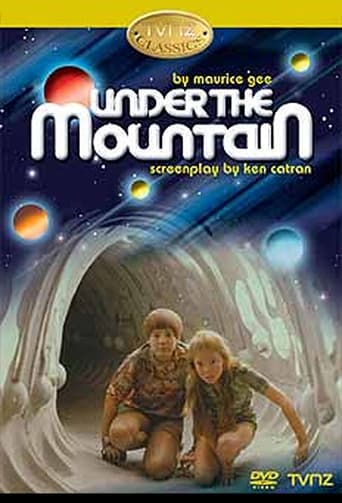
Under the Mountain is an eight-part television series based on the novel of the same name written by Maurice Gee, first transmitted in 1981 and produced by Television New Zealand. Many of the minor roles in this series were played by people who were at the time well known performers in New Zealand.
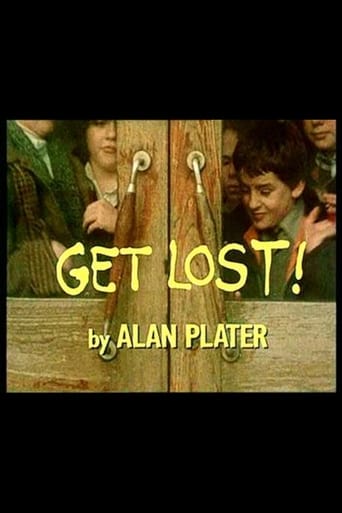
Get Lost! is a 1981 British television drama serial produced by Yorkshire Television for ITV. Written by Alan Plater, the plot concerns the disappearance of the husband of Leeds schoolteacher Judy Threadgold. Investigating the disappearance, with the aid of her colleague, woodwork teacher Neville Keaton, Judy learns of a secret organisation that helps disaffected people leave their unhappy lives behind.
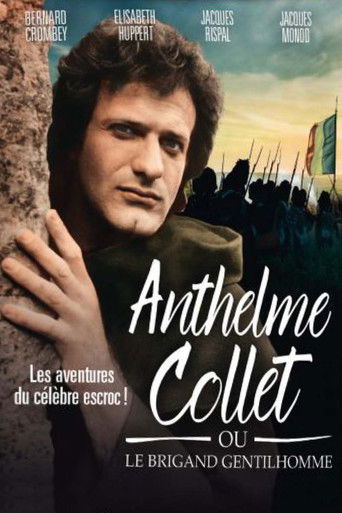
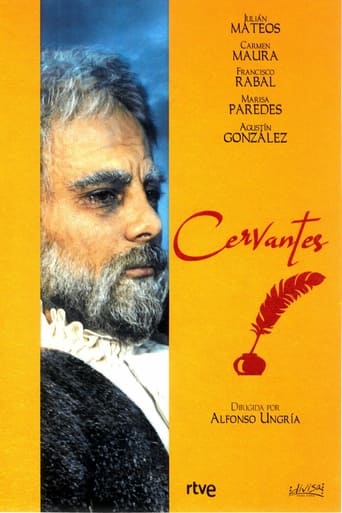
The life of Miguel de Cervantes, writer of the iconic novel Don Quixote of La Mancha.
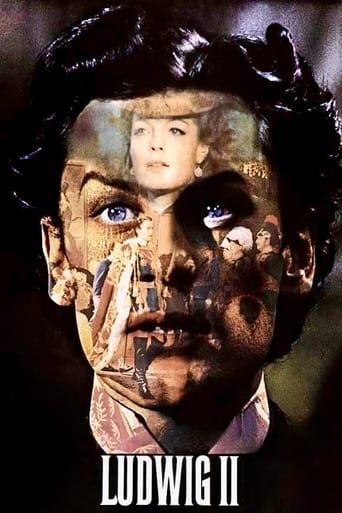
Historical evocation of Ludwig, king of Bavaria, from his crowning in 1864 until his death in 1886, as a romantic hero. Fan of Richard Wagner, betrayed by him, in love with his cousin Elisabeth of Austria, abandoned by her, tormented by his homosexuality, he will little by little slip towards madness.
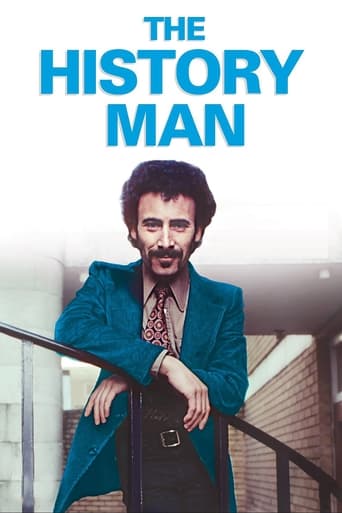
The History Man is a four-part 1981 British television drama miniseries written by Christopher Hampton, based on Malcolm Bradbury's 1975 novel of the same title. Ardently left-wing, or so it seems, Howard Kirk subtly extends his power over students and colleagues alike at a redbrick university.

The action of the series takes place in the years from 1945 to 1956. The next parts present the fate of three friends - an intellectual, a worker, and a peasant - whose youth fell in the first years of post-war Poland. Despite different origins, different motivations, and their doubts, Kazimierz, Piotr, and Daniel engage in the activities of the Polish Youth Union, contributing to the foundations of the Polish People’s System. However, the friends face the resistance of society, duplicity, and the overzealousness of party comrades, and finally, their own disappointment.
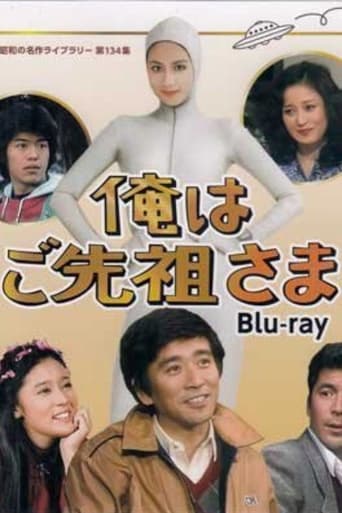
" I Am Your Ancestor " (Ore wa Gosenzosama) is a 14-episode television drama produced by Office Henmi and broadcast on the Nippon Television Network every Sunday from 20:00 to 20:54 ( JST ) from December 6 , 1981 to March 14, 1982 .
Park Place is a short-lived legal sitcom that first aired on CBS on April 9, 1981 and was cancelled on April 30, 1981 after four episodes. The series centers on young lawyers working for a legal aid clinic in Manhattan.
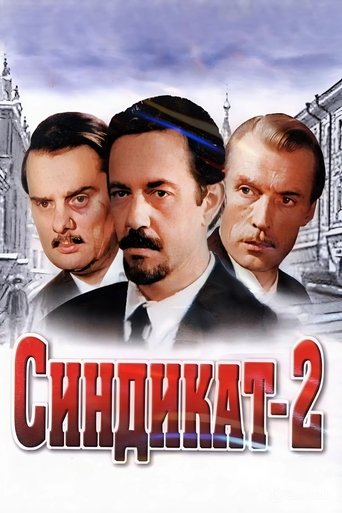
A miniseries about the Cheka's destruction of an underground organization led by Boris Savinkov.
Daily at Dawn was an Australian sitcom that screened in 1981 on the Seven Network. The series was written and produced by Gary Reilly and Tony Sattler, the team behind other popular Australian comedy series such as Kingswood Country, Hey Dad..! and The Naked Vicar Show.
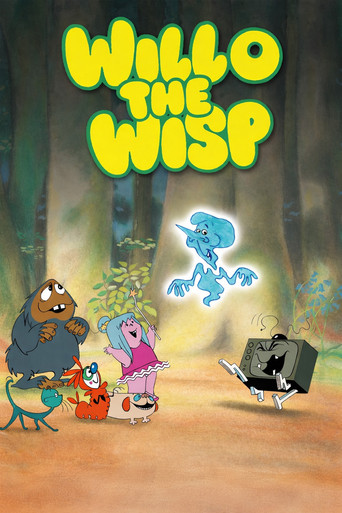
Willo the Wisp is a British cartoon series originally produced in 1981.

The programme focuses on the British and the worldwide deaf community and covers a broad range of topics from areas such as education, deaf people's rights, technology and language. The programme is presented entirely in BSL and is broadcast with voice-over and subtitles in English throughout the programme.
A look at Soho life through the eyes of likeable rogue Fiddler and his two cronies, Bishop and Checkie.

Since his wife's death from illness, Oki Eisuke (Utsui Ken) has been working as a lawyer at the Oki Law Office, raising his high school-aged daughter, Kaori (Hayashi Norie). His late wife's father, Kimura Genkichi (Ban Junsaburo, Matsumura Tatsuo), a former Metropolitan Police Department detective, is in charge of accounting, while Ono Toshiko (Nakahara Rie) is in charge of typist and secretary. Also among the investigators are Sakamoto Ryu (Nakamura Masatoshi), who claims to be serving a two-year prison sentence, and Suzuki Masao (Okita Hiroyuki), who is on probation. These are the members of the firm that Eisuke trusts. A die-hard feminist, Eisuke throws himself wholeheartedly into the cases of female clients, regardless of legal fees, but...
