
Big Fish - Cleaning 2012
The film follows Senior Police Lieutenant Soyombo as he investigates a drug-related murder case, and tells the story of the adventures and love that occur in the life of a police officer.
The film follows Senior Police Lieutenant Soyombo as he investigates a drug-related murder case, and tells the story of the adventures and love that occur in the life of a police officer.
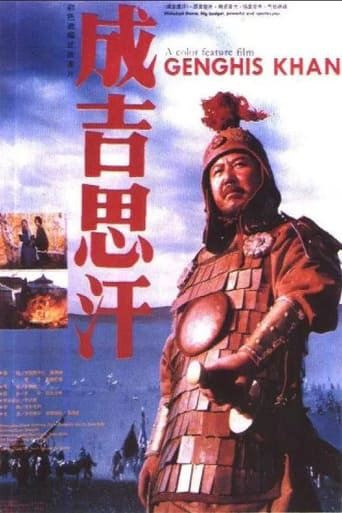
Much more accurate description of the life of Genghis Khan than any western films, including his military and political skills.
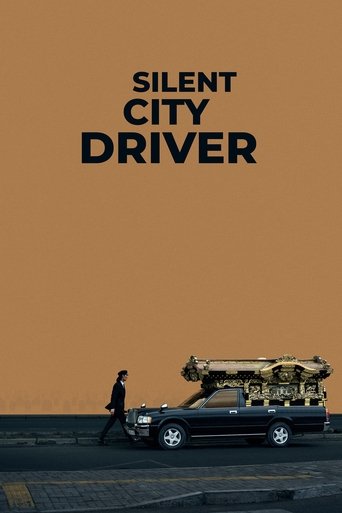
In a city rife with corruption and scandals, surrounded by indifference, the solitary and enigmatic Myagmar lives in isolation after enduring 14 brutal years in prison. Scarred both physically and emotionally, his only companions are the stray dogs he has rescued over time.
Based on the shamanic rituals in Mongolia and Siberia, this is a testament to the need to reclaim the ideas of animism for planetary health and non-human materialities.
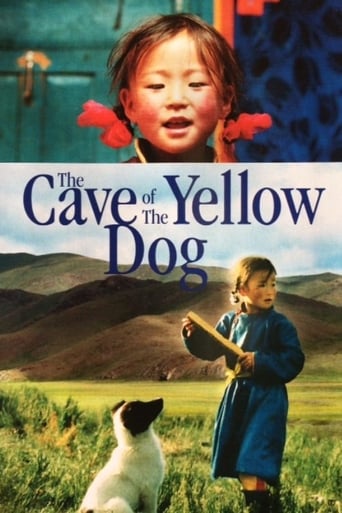
The little nomad girl, Nansal, finds a baby dog in the Mongolian veld, who becomes her best friend - against all rejections of her parents. A story about a Mongolian family of nomads - their traditional way of life and the rising call of the City.
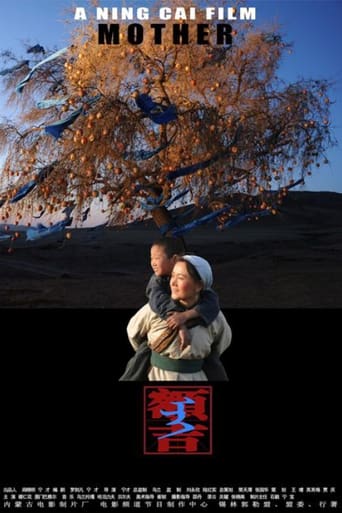
In the 1960s, about 3,000 Chinese orphans were sent to Inner Mongolia. In the Xilingol grassland, Qiqigema Erji adopted Chen Chen and Yu Sheng even though her husband disapproved. The children grew up as Mongolian nomads. But 20 years later, upon hearing the news that biological parents were looking for their children, Chen Chen left for Shanghai in the hope of meeting his parents. Yu Sheng finally did meet his parents and faced a choice as to where he wanted to live.
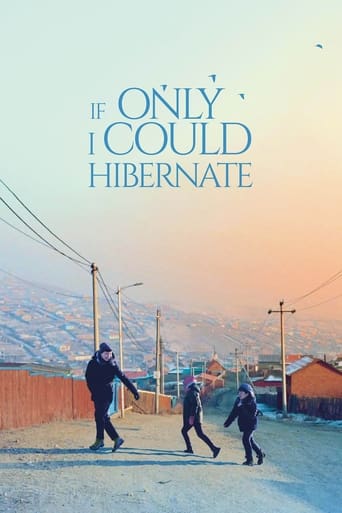
Ulzii, a teenager from a poor neighborhood in Ulaanbaatar, is determined to win a sciences-physics competition to get a scholarship. His illiterate mother finds a job in the countryside, leaving him and his brother and sister in the middle of winter. Ulzii wanders around at night looking for things to burn for heat while preparing for the national competition.
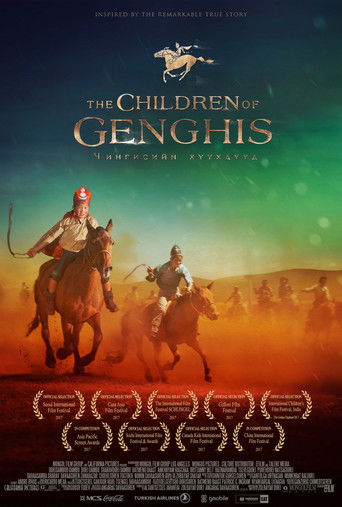
The town's best horse race trainer Bold, has many people gathered at his house for a special announcement. Bold begins to brag about his horses and skills and how no one in town is better than him. Bold begins to talk about his most prized horse, the brown steed that still has yet to find its rider. After hearing this the townspeople recommend Dambii's eldest son Dorj to be the rider. Upon hearing this Boldoo decides to ask Dambii's son Dorj to be the rider for his horse. Dambii lives with his wife, Dolgor and three sons, Dorj (12 yrs old), Byambaa (8 yrs old) Nanzaa (4 yrs old) in the vast countryside in Mongolia. All of Dambii's sons have a knack for the horse. When Bold recruites Dambii's eldest son his middle son Byambaa gets angry that he wasn't chosen to ride. When Byambaa gets angry that he wasn't chosen he storms off.

In 1939, when the Japanese army invaded the protected border of our country, our border warriors showed how they protected the protected border of our country from foreign invaders.

The work reflects the historical life of the great general D. Sukhbaatar, who started participating in the People's Revolution.
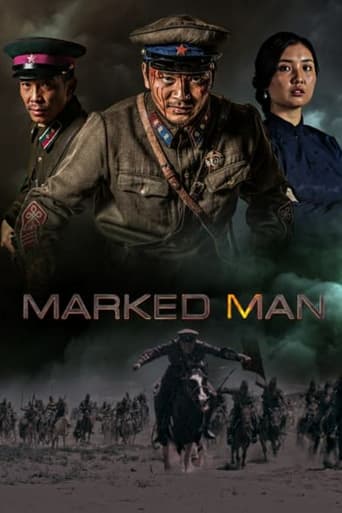
Commander Dandar is falsely charged with treason and sent to live the rest of his life in war camp with the very enemies he once fought.

Group of unlikely friends decide to cheat on the final exam of the night school for privileged kids, but instead they unearth something completely unexpected.
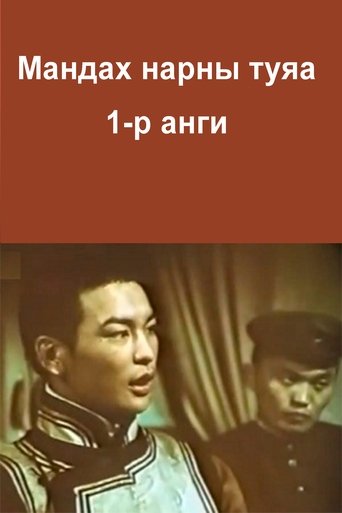
The work reflects the historical life of the great general D. Sukhbaatar, who started participating in the People's Revolution.
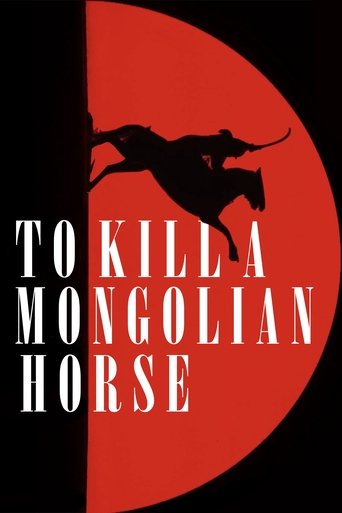
Amid the wintry steppes, Saina, a Mongolian horseman turned cultural performer, tends his ranch during the day and performs horseback tricks for audiences at night. Unlike the majestic cavalryman he portrays in the show, Saina discovers that his herdsman’s life is on the verge of disintegration.

A mongolian interpretation of Kafka's "The Castle".
A Mongolian soldier who took part in the liberation war of 1945 found an Inner Mongolian family that was seriously wounded and took him to a hospital. It is a story about the love between two young men, which tells about the girl of that family who has no family during the military service, but is forced to return due to the current situation.
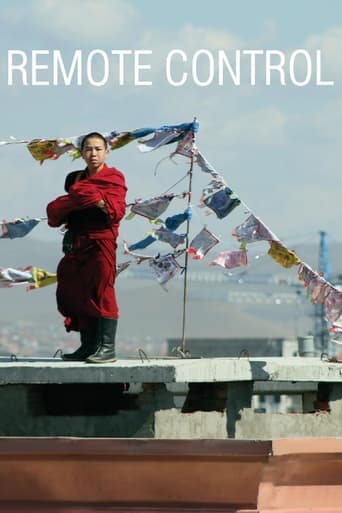
Teenage boy Tsog lives in the slums outside Ulan Bator. He sells milk from his neighbor to support his family, with whom he frequently quarrels. The flight of his imagination is Tsog's only solace— he spends hours drawing his hero, a young monk. After a fight with his parents Tsog takes off to the city, where he settles on the roof of an apartment building. From this new vantage point he spots a beautiful but troubled young woman inhabiting a nearby penthouse. Seeking to intertwine their fates— to bridge the gap between their social, economic, and spiritual conditions— Tsog steals a remote which he uses to control the young woman's television set.
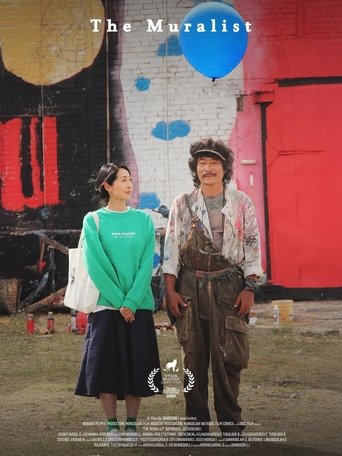
Bayaraa, a weather-worn muralist who once tasted glory in Europe, returns to Mongolia with only a box of paints, a rooftop tent, and his loyal stray dog. Each day he descends the wall of an abandoned factory, covering its crumbling concrete with sweeping murals of mythic Mongolian landscapes. Watching him is a sardonic balloon, at once conscience, companion, and a stroke of fable. When officials announce the factory will soon be demolished, Bayaraa becomes determined to leave behind his masterpiece. Yet the deeper battle lies within: the long-buried wound of the wife and daughter he abandoned for art.
A young singer became an alcoholic after partying. His wife leaves his only daughter with his old mother and goes to a foreign country to live with a foreigner. When a young alcoholic goes out on the streets, no one will miss him anymore, and when he dies, he will have no one to bury him. Later, the only daughter became a medical student and repeated her studies on skeletons. When the cleaning lady talks about who this skeleton belongs to, the girl realizes that it is her father's bone. This film is based on the sad life of the famous singer Tserenjav.
At the beginning of the People's Revolution of 1921, it shows how the people of the countryside fought together to exterminate the remnants of the evil army that was hiding in Mongolia.
