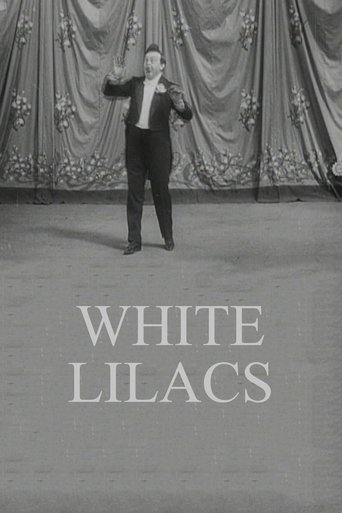
Félix Mayol Performs "White Lilacs" 1905
Felix Mayol performs Théodore Botrel's 'Lilas-blanc'.
Felix Mayol performs Théodore Botrel's 'Lilas-blanc'.
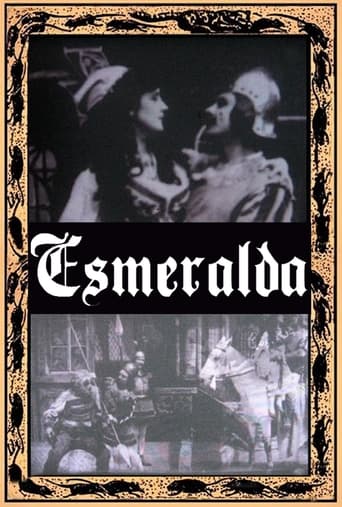
It was the first film version of the Hunchback of Notre Dame.

A man dancing at a party finds one of his socks has fallen down. Retreating where no one can see him, he removes the offending item. the consequences are not long in coming in this very short -- two minutes -- comedy from Alice Guy.
Two men get into a knife fight, in a Corsican tavern, and one of them kills another and escapes. He takes refuge in his house but escapes when the guard arrives, starting a persecution to the death.
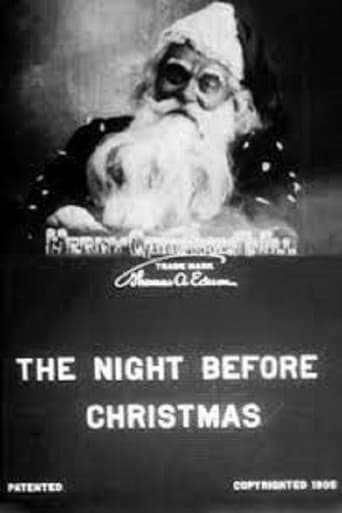
On Christmas Eve, Santa feeds his reindeer and loads his sleigh, before going on his journey to deliver toys to the children of the world.
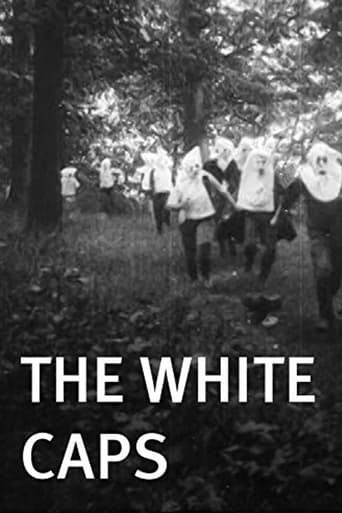
Two members of a vigilante group known as 'The White Caps' post a warning sign on a man's home. When the man comes home, he tears down the sign, and then proceeds to abuse his wife both verbally and physically. As soon as she can get away from him, the wife leaves home with her child to find a place of refuge. When the vigilantes find out about this, they arm themselves with rifles and immediately go to confront the abusive husband.
A trick film using the reverse effect.
Alice Guy directed a now lost phonoscene (film that relied on a chronophone sound recording that the actors in the film lip-synced with) version of Faust in 22 scenes(or short films) totaling 1245 meter of film. What remains are mostly postcards containing images of some of the scenes. The earliest proof of this film dates from 1905, as it was shown in a Phono Chronomegaphone Theatre in Belgium(stating it had 5 acts and 8 tableaux). The captions of the postcards refer to lines taken from the opera libretto by Jules Barbier and Michel Carré for the 1859 Opera by Charles Gounod(which again was loosely based on Goethe's play) which the film was based on.
While the old gentleman is dying his mustache and eyebrows, putting in his monocle, and donning his toupee, the little brat fits a two-gallon jar of glue and ladles some into he gentleman's top hat, then sneaks out to witness his embarrassment.
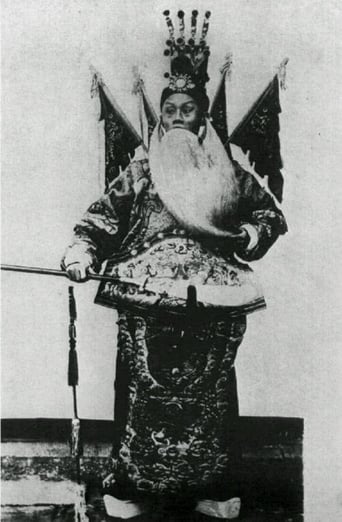
The first Chinese film ever made, a sung representation of Battle of Mount Dingjun.
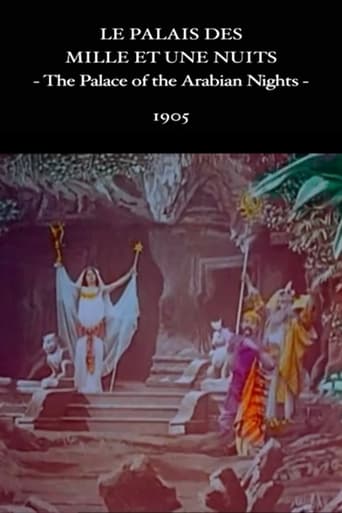
A poor but honest man wins great wealth, and the hand of a beautiful princess, after facing a series of exciting trials in the tunnels and catacombs of ancient Araby. Guided by the mysterious Khalafar, the troupe (alongside him go some cowardly scholars) encounter skeletons, fire-breathing lizards, and mirages on their journey through the lower world.
This is a compilation of some of the films that Alice Guy filmed in Spain from mid-October to the end of November, 1905 (catalogue numbers 1371 to 1384) that were individually released in early 1906.
Martyrs of the Inquisition
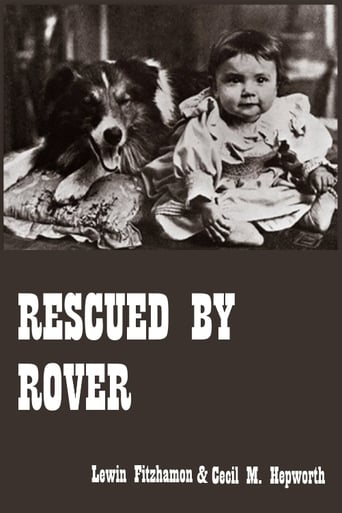
A dog leads its master to his kidnapped baby.
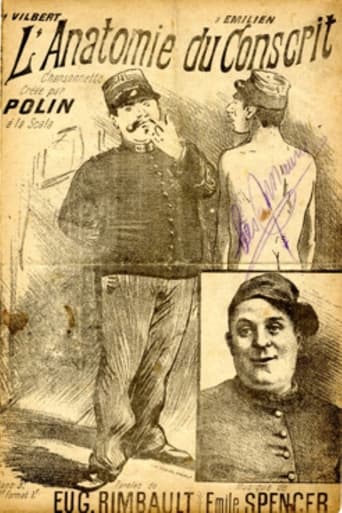
Polin performs a song.
Monsieur Beaucaire, a French nobleman & relative of the King, engages in a sword fight with the jealous Duke of Winterset over a card game, leading to a kidnapping attempt on the woman Beaucaire loves, Lady Mary Somerset, forcing Beaucaire to fight valiantly, get imprisoned, and then escape in disguise to stop the Duke from marrying Lady Mary, culminating in him revealing himself as the officiant during the wedding ceremony!
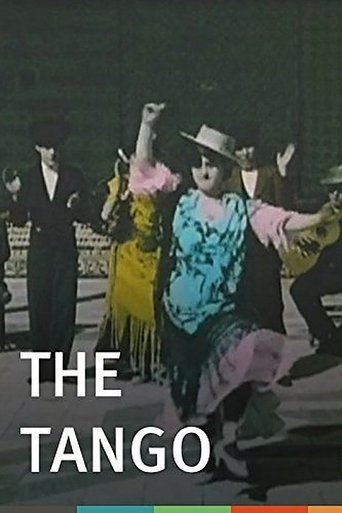
A woman performs the tango.

A servant kills his miser master and buries his corpse. The murderer is haunted by the ghost of his victim....or is it his own conscience?
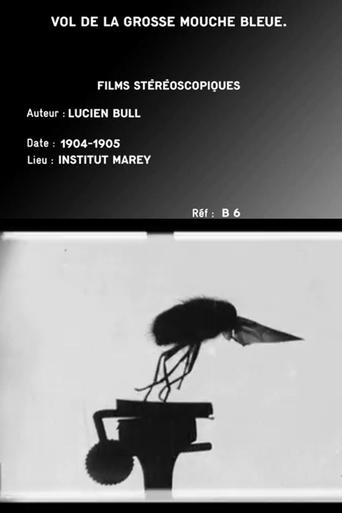
Chronophotographic short film, possibly species Protophormia terraenovae, c. 1904-1905.
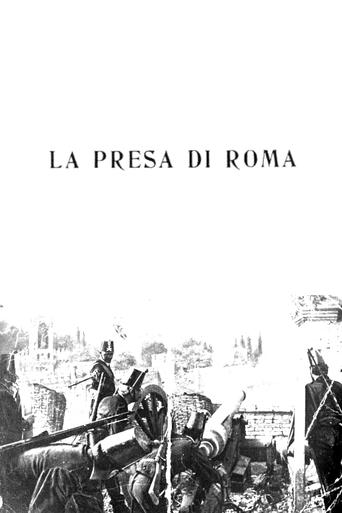
The film recreates the final events leading to Italian unification in September 1870.
