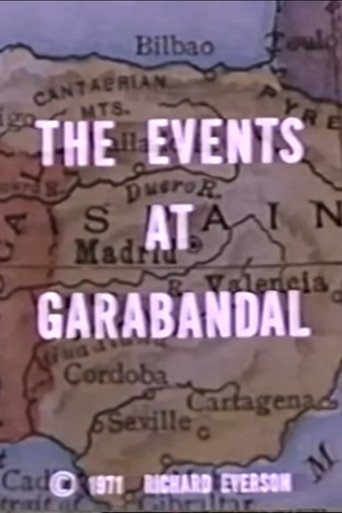
The Events at Garabandal 1971
This documentary by Richard Everson marked the first groundbreaking attempt to depict the events of Garabandal in color 16MM film.
This documentary by Richard Everson marked the first groundbreaking attempt to depict the events of Garabandal in color 16MM film.

"Bruce Benton's four‐minute “Sympathy for the Devil” uses the classic Rolling Stones recording to lend a sort of frayed irony to a collage of news reel shots of President Nixon, the Vietnam war, Gov. George C. Wallace, riots, Billy Graham and lots of other ducks that aren't sitting as much as they are lying down, exhausted." - Vincent Canby, New York Times, Nov. 19th, 1971
"An elaborately structured and miserably acted unveiling of how ruinous people are, it looks like nothing so much as a rich kids' meditation on the vanity of life—from the point of view of a posh Manhattan townhouse." - Roger Greenspun, New York Times review Oct. 19th, 1971 David Wise, the son of Electronic Arts Intermix founder Howard Wise and producer Barbara Wise, was a child prodigy whose pre-adolescent films led him to be described by Jonas Mekas as "the Mozart of Cinema." The young Wise would be trained in stop frame animation by Stan Van der Beek, before going on to his later career as a successful writer of science fiction film and television.
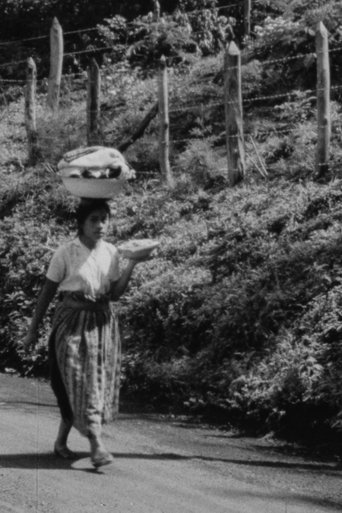
In this moving film, the personal testimonies of Guatemalan Indians, peasants, and guerrillas are dramatized to provide the narration for a powerful overview of the history of U.S. destabilization of democracy in Central America.
Short film.
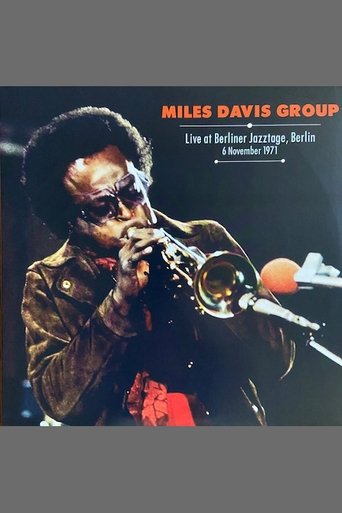
A1 Directions A2 Honky Tonk A3 What I Say B1 Sanctuary B2 It's About That Time B3 Funky Tonk
16mm film, color, sound.

Things (and their treatment) are shown repeatedly - a loaf of bread, a sausage, an egg cracked open on the rim of a cup: everyday actions with irreversible, one might say vitally destructive consequences. In the second part, the actions are directed at people, and the anxiety changes because the situations are created deliberately and uncritically. Part three, which could be read as a sober protocol of a relationship, loses the proximity to actionism and performance. Images of a man and a woman alternate with images of windows, mirrors, sofas, and the interior.
Alcatraz - Island of Hate
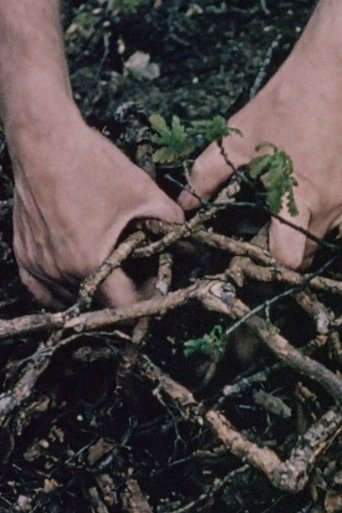
Sven Elfström (1927-2017) was a full-time manual labourer who started off as a welder at the shipyards in Uddevalla. Eventually he moved to the industrial city of Nynäshamn, south of Stockholm, to work at the manufacturing workshops of the state telecommunications company, Televerket. Elfström began shooting 8mm films at an amateur film club in Uddevalla. When moving to Nynäshamn he acquired a 16mm camera. Most of the eleven films that he made in this format are shot in Nynäshamn; the actors in these films were friends and family. The films were self-financed, shot and edited by himself, often on reversal film stock as this was the cheapest way to make a film. This means that usually neither negatives nor additional copies exist of these films, but merely one original print. UTVECKLING? starts with a fierce critique against capitalism, consumerism and man’s exploitation of the world.
A Silvestre Byrón experimental short film.
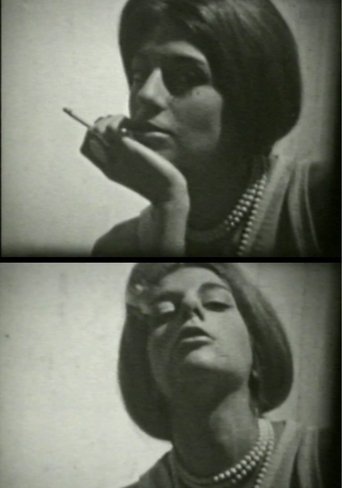
A Silvestre Byrón experimental short film.
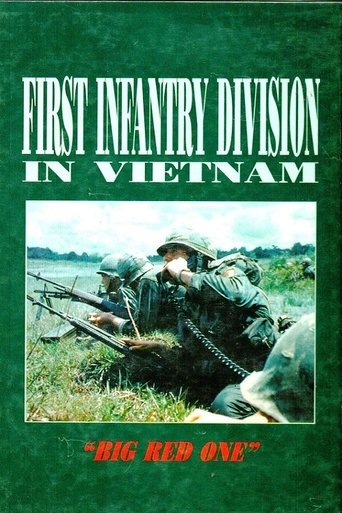
A history of the Big Red One in Vietnam, 1965-1970. Part of "The Big Picture" series.
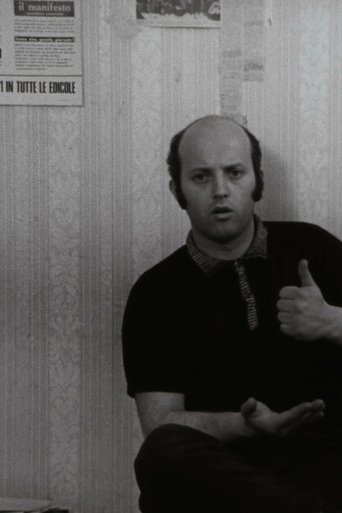
Made in 1971, "Comitati Politici" encircles some exclusive witness of the union spokepersons, the employees and the factory workmen at the time.

This short documentary explains the importance of formalist elements such as positive/negative space, texture, color balance, and rhythm in painting and sculpture. The film characterizes these various compositional strategies as being universal, but foremost stresses their manifestation in twentieth-century art.
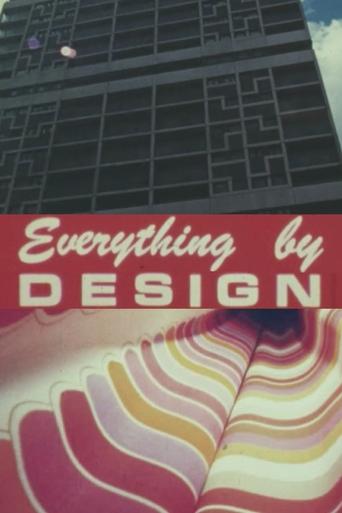
A look at the design and production of various products.
"Take a circle as big as you want, just come back to the place you started from before sunset. All the land you go around is yours."
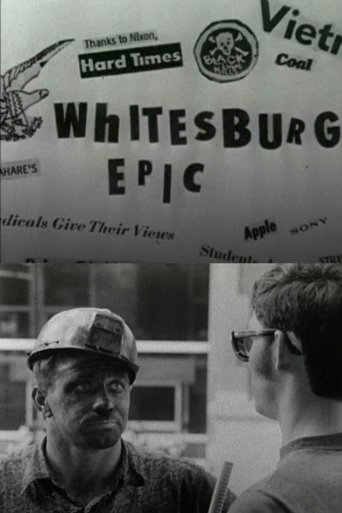
In this small town “epic,” the people of Whitesburg, KY speak directly to the camera about unemployment, student unrest, and the Vietnam War. The down-home candor of the exchanges presents a revolutionary alternative to the voice-over narration then common in commercial productions. Stripped to the basics, the documentary has an energy and immediacy only possible in a film made by the participants themselves.

A Film by Keiji Uematsu.
The Boy, the Bird and the Musical Instrument
