
Einstein Revealed 1997
NOVA biography of Albert Einstein, covering his early years, relativity research and personal life.
NOVA biography of Albert Einstein, covering his early years, relativity research and personal life.
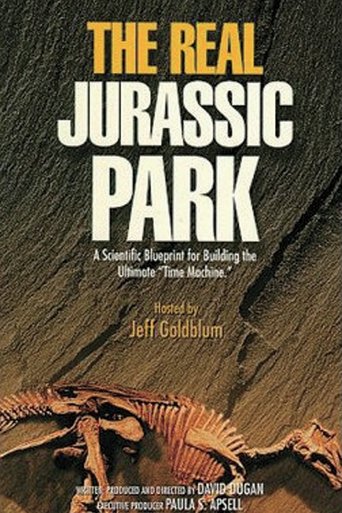
Could scientists recreate Hollywood's Jurassic Park using 100-million-year-old dinosaur DNA? Director Steven Spielberg, author Michael Crichton, actor Jeff Goldblum, and a host of scientific experts answer this compelling question in the award-winning Nova documentary, The Real Jurassic Park. Behind-the-scenes clips, interviews, and demonstrations with leading paleontologists investigate the viability of reviving the extinct species. All phases of logistics are addressed, including extracting prehistoric insect DNA, creating embryos for placement in host eggs, and more. The scientific analysis of the process leads to the examination of the ethics of recreating a vanished life form.

How were the giant stone heads of Rapa Nui – also known as Easter Island – carved and raised, and why? Since Europeans arrived on this remote Pacific island over 300 years ago, controversy has swirled around the iconic ancient statues and the history of the people who created them. Now, a new generation of researchers is overturning old theories, revealing the rich history, innovation, and resilience of the Rapanui people, and uncovering intriguing new evidence about where they – and their practice of monumental stone building – came from.

A post-modern theater adaptation of a classic Greek tragedy takes place in a central theater of Athens. Like every night, the audience take their seats and the play begins. Suddenly, the lights on stage go out. A group of young people, dressed in black and carrying guns, come up on stage. They apologize for the interruption and invite people from the audience to participate on stage. The play resumes with a main difference; life imitates art and not the opposite.
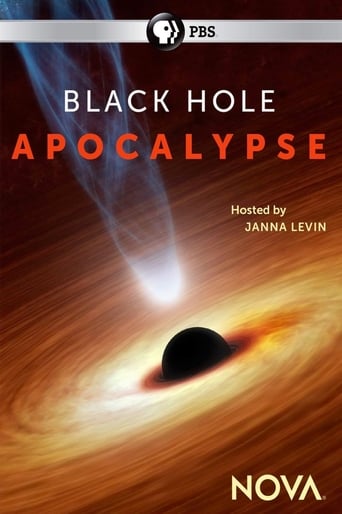
Astrophysicists show how black holes might hold answers to how the universe evolved, leading to life on Earth and, ultimately, the human race.

David Attenborough brings to life, in unprecedented detail, the last days of the dinosaurs. Palaeontologist Robert DePalma has made an incredible discovery in a prehistoric graveyard: fossilised creatures, astonishingly well preserved, that could help change our understanding of the last days of the dinosaurs. Evidence from his site records the day when an asteroid bigger than Mount Everest devastated our planet and caused the extinction of the dinosaurs. Based on brand new evidence, witness the catastrophic events of that day play out minute by minute.
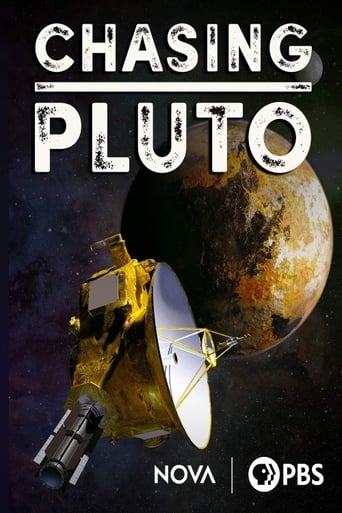
NOVA captures New Horizons' historic flyby of Pluto, the culmination of the spacecraft's nine-year, three-billion-mile journey to reveal the first ever detailed images of this strange, icy world at the very edge of our solar system.
The events and coincidences that led to rapid advances in human intelligence 50,000 years ago.
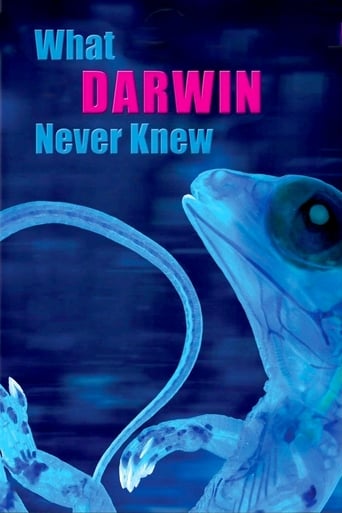
Earth teems with a staggering variety of animals, including 9,000 kinds of birds, 28,000 types of fish, and more than 350,000 species of beetles. What explains this explosion of living creatures—1.4 million different species discovered so far, with perhaps another 50 million to go? The source of life's endless forms was a profound mystery until Charles Darwin brought forth his revolutionary idea of natural selection. But Darwin's radical insights raised as many questions as they answered. What actually drives evolution and turns one species into another? To what degree do different animals rely on the same genetic toolkit? And how did we evolve?
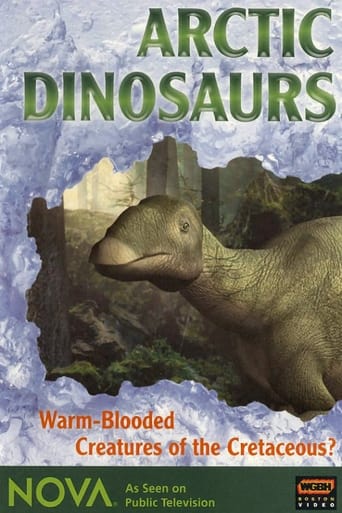
Dinosaurs are generally considered tropical animals. So what are their fossils doing north of the arctic circle? Paleontologists battle the fierce climate to find out if the arctic was warmer then than it is now, or the arctic was farther from the North Pole, or the dinosaurs were migratory animals, or if they were warm-blooded.
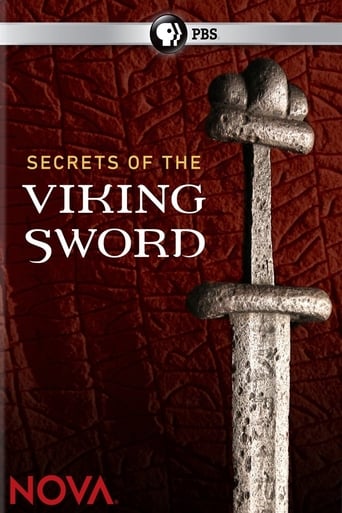
The Vikings were the most ferocious warriors of the Middle Ages. Especially fearsome were the select few who wielded a formidable weapon: a light, razor sharp, virtually indestructible sword with its maker's name, Ulfberht, inlaid along the blade.
Nova and National Geographic present exclusive access to an astounding discovery of ancient fossil human ancestors.

Sea battles in the morning and gladiator fights in the afternoon with wild beasts magically appearing in the arena? A subterranean archaeologist investigates tunnels to see how the Colosseum could be flooded; and architects, engineers, and builders construct a lift and trap door system to attempt the release of a wolf into the most famous amphitheater in the world for the first time in 1500 years.
When the U.S. trade embargo left Cuba isolated from medical resources, Cuban scientists were forced to get creative. Now they've developed lung cancer vaccines that show so much promise, some Americans are defying the embargo and traveling to Cuba for treatment. In an unprecedented move, Cuban researchers are working with U.S. partners to make the medicines more widely available.
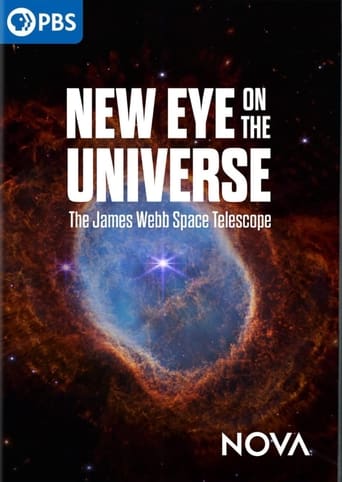
In July 2022, NASA’s James Webb Space Telescope released its first images, looking further back in time than ever before to show our universe in stunningly beautiful detail. But that was just the beginning. With tons of new data and spectacular images flooding in, Webb is allowing scientists to peer deep in time to try to answer some of astronomy’s biggest questions. When – and how – did the first stars and galaxies form? And can we see the fingerprints of life in the atmospheres of distant worlds – or even within our own solar system?
Archaeologists believe that a massive grave in a vicarage garden in Derbyshire may be the last resting place of a vast army of thousands of warriors that invaded Britain in the ninth century.
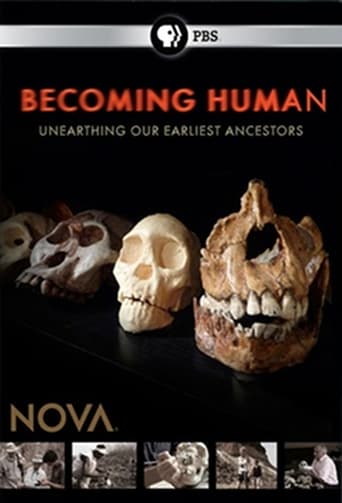
NOVA's groundbreaking investigation explores how new discoveries are transforming views of our earliest ancestors. Becoming Human explores the origins of us -where modern humans and our capacities for art, invention, and survival came from, and how our social history led to 3-5% of our genetic heritage being Neanderthal. Featuring interviews with world-renowned scientists, footage shot in the trenches as fossils were unearthed, and stunning computer-generated animation, Becoming Human brings early hominids to life, examining how they lived and how we became the creative and adaptable modern humans of today. In gripping forensic detail, we meet: Selam, the amazingly complete remains of a 3 million year-old child, packed with clues to why we split from the apes, came down from the trees, and started walking upright; Turkana Boy -a tantalizing fossil of Homo erectus, the first ancestor to leave Africa and colonize the globe. What led to this first great African exodus?

Capturing CO2 to recycle it, brightening clouds to better intercept sunlight, massive reforestation: here's an overview of scientific solutions to combat global warming that offer a glimmer of hope.
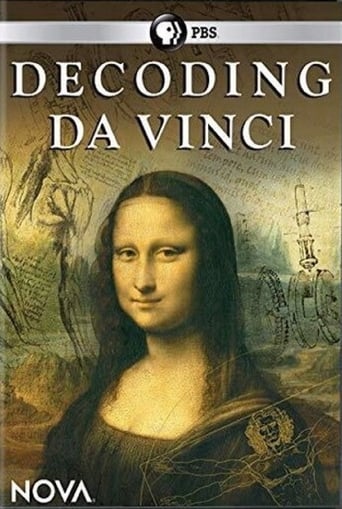
Leonardo da Vinci was a Renaissance genius. Not only did he paint masterpieces of art, but he was an obsessive scientist and inventor, dreaming up complex machines centuries ahead of his time, including parachutes, armored tanks, hang gliders and robots. On the 500th anniversary of Leonardo’s death, with the help of biographer Walter Isaacson, NOVA investigates the secrets of Leonardo’s success. How did his scientific curiosity, from dissections of cadavers to studies of optics, shape his genius and help him create perhaps the most famous painting of all time, the "Mona Lisa"?
Predictions underlie nearly every aspect of our lives, from sports, politics, and medical decisions to the morning commute. With the explosion of digital technology, the internet, and 'big data,' the science of forecasting is flourishing. But why do some predictions succeed spectacularly while others fail abysmally? And how can we find meaningful patterns amidst chaos and uncertainty? From the glitz of casinos and TV game shows to the life-and-death stakes of storm forecasts and the flaws of opinion polls that can swing an election, 'Prediction by the Numbers' explores stories of statistics in action. Yet advances in machine learning and big data models that increasingly rule our lives are also posing big, disturbing questions. How much should we trust predictions made by algorithms when we don't understand how they arrive at them? And how far ahead can we really forecast?
