Daze 1989
An actor is married to a dancer whose drug addiction drives them to desperation when World War II breaks out.
An actor is married to a dancer whose drug addiction drives them to desperation when World War II breaks out.

Seven famous actors get caught up in a game that no one can predict the ending. In a moment when the whole world is in limbo and the future seems more than uncertain, the stars receive a lucrative offer. And although it is not the peak of their professional ambitions, they do not intend to give it up. Sex, intrigue, betrayals, denunciations, disloyalty, deceptions, all covered with an artificial smile.
Two men go to Warsaw to sell Christmas trees and meet old friends.
Blacha, an ex-middleman in the criminal underground, is the key witness in an enormous Pruszkow mafia bust. As such he is kept under lock and key hidden away from the world. Intent on getting an interview with the ex-gangster is Marcin Kruk, whose pregnant wife was collateral damage in a mafia car-bomb several years back with Blacha being his main suspect. Fortunately Blacha holds Marcin's journalistic work in very high regard, hence agrees to an exclusive interview in a secluded hotel in the Hel peninsula. There he retreads his criminal life...

The protagonist of the film is a 12-year-old boy - Witek, the son of a small-town miller, a former entrepreneur who, after the war, holed up in a small town as a craftsman. The boy's mother is a beautiful and subtle woman, raising children and raising a home. Through the house of Witek's parents there is a gallery of picturesque characters who are perceived by the child warmly and with humor.
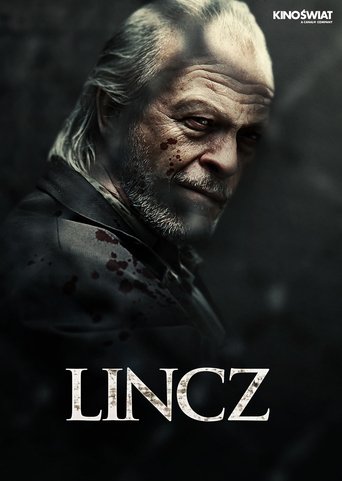
The story unfolds about the murder of an old man living in a remote village and six locals who may have been connected with the murder. Things get messy when the dead man turns out to be an ex convict. The accused ones find it very hard to deal with the preconceived attitude. The villagers, led by the families of the accused, have to fight for their innocence.
The former owner, a German, shows up on a farm belonging to the Poles settled there.
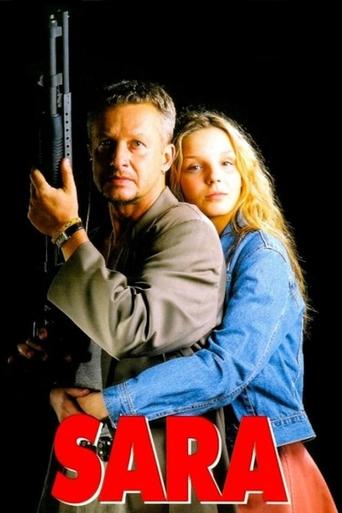
Sixteen-year-old Sara's father is a wealthy gangster and has a lot of enemies. Her father makes clear that whoever touches Sara will die and he looks for the right bodyguard to protect her.
A little boy, craving for his father's attention, imagines a made-up "Mr. President" who looks just like his father but is caring and attentive.
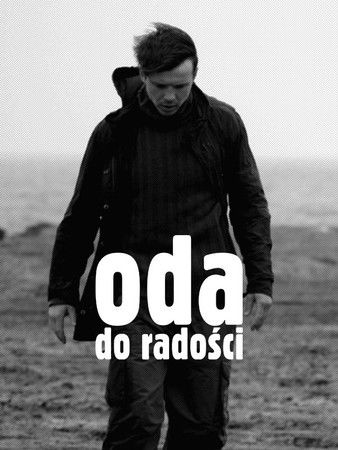
Three stories of young disillusioned Poles of different background and region of origin. What binds them together is that they all meet on the bus to London shortly after Poland's entry into EU.
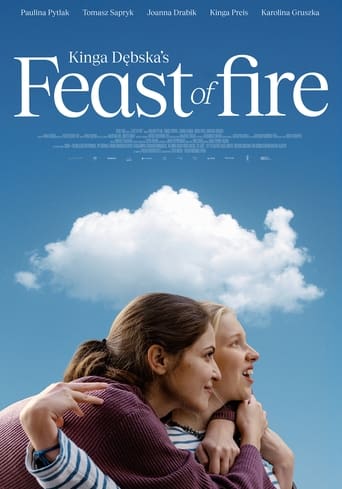
The sisters struggle with their own bodies. One, driven by ambitions, seeks the limits of its possibilities, for the other, the body is a prison. One believes that ballet will save her from memories. The second observes the world from the balcony with such attention that she sees and hears more.
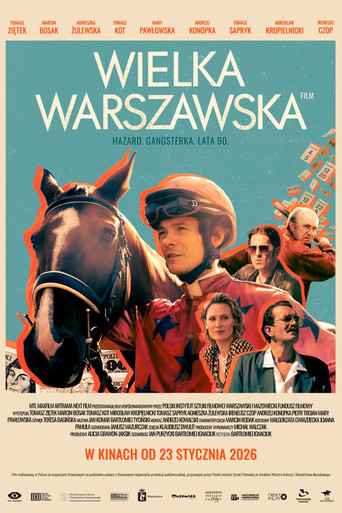
A story about a young jockey dreaming of a sports career. These dreams culminate in the most important event in Poland — The Great Warsaw Race. Krzysiek enters the horse-racing world with the naivety of a novice and enthusiast. Only after some time does he realize that races are a network of dependencies, powerful interests, and manipulation of results.
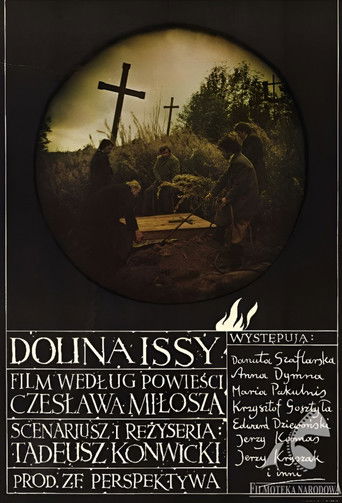
The film evokes a childhood in rural Lithuania between the wars. A country boy, Tomaszek, lives on a rich estate, situated on the Polish border. He realizes that the Issa Valley he lives in is to be torn apart by internal political conflicts and unrests among the mixed population of Poles, Lithuanians, Jews and Russians. He, however, is captivated by a paradise surrounding him, the forest, and his fantasies.
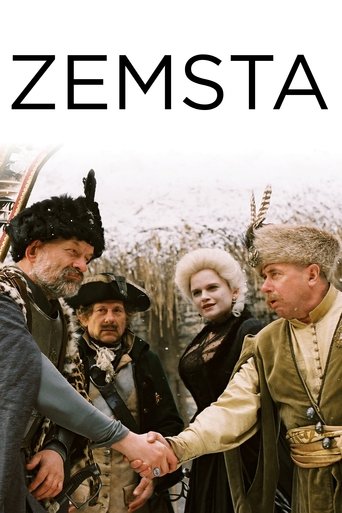
A winter day at a Polish castle, half owned by a fatalistic notary and half by a volcanic old soldier's niece. The old soldier, Cupbearer, and the notary are sworn enemies, which may doom the love between the niece, Klara, and the notary's son, Waclaw. On this day, the tongue-tied Cupbearer asks a braggart courtier, Papkin, to sue on his behalf for the hand of the widow Hanna. Papkin succeeds and
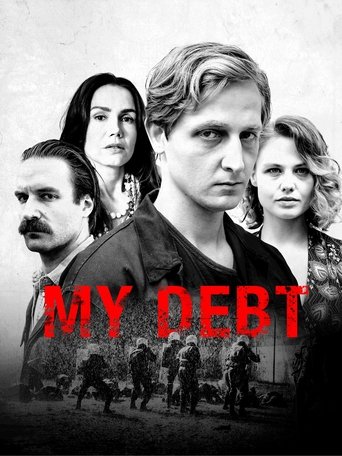
A young entrepreneur, Slawomir Sikora, persecuted by a ruthless bandit, commits murders in defense of his loved ones. Sentenced to 25 years in prison, he ends up behind bars, where he has to fight for survival in the environment of recidivists sentenced for the most serious crimes. Deprived of hope for justice, isolated from those he loves, he must find the strength to survive and remain himself. Each day here is a fight to preserve dignity and humanity. It is a game for life, played according to extremely brutal rules. Sikora takes up this fight and cannot be broken. He learns to gain allies and friends, earn respect and maneuver between prison subcultures. Thanks to the friendship with a fugitive from the Foreign Legion convicted of murder and the help of a human rights activist, Sikora manages to believe that not everything is lost for him yet. But key decisions are made far beyond the walls.
A 16-year-old girl goes to extreme measures to care for her younger siblings when their mother is diagnosed with a fatal illness.
The powerful echo of two schoolboys’ actions resonates as they reconstruct their crime and relive the pain of what they have done.

Tato is the story of a divorced father fighting for the right to raise his 7-year-old daughter. When his marriage falls apart, he decides to kidnap his daughter rather than let the court award custody to his mentally ill wife, whom he deems unfit to raise their child. But as he quickly finds out, it’s easier to be a real man than it is to be a real father.
A 2005 novella film created to commemorate the 25th anniversary of the Solidarity movement. It consists of 13 10-minute shorts. There are various forms: mini-feature, music video, documentary, animation, interview.

A comedy about men who crave a carefree, commitment‐free life. The “bears” are grown‐up boys, mature in age but perpetually immature as partners.
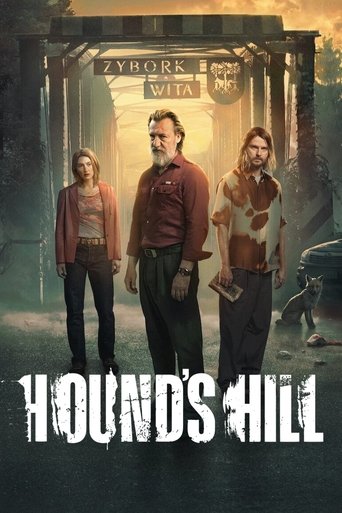
A successful and renowned novelist — haunted by trauma and a mysterious blackmailer — returns to his hometown to reckon with his unresolved past.

Dekalog (pronounced [dɛˈkalɔk]) is a 1989 Polish drama television miniseries directed by Krzysztof Kieślowski and co-written by Kieślowski with Krzysztof Piesiewicz, with music by Zbigniew Preisner. It consists of ten one-hour films, inspired by the decalogue of the Ten Commandments for thematic inspiration and an overarching structure, grapple deftly with complex moral and existential questions concerning life, death, love, hate, truth, and the passage of time. Each installment explores characters facing one or several moral or ethical dilemmas as they reside in an austere housing project in 1980s Poland, whose lives become subtly intertwined as they face emotional dilemmas that are at once deeply personal and universally human.

When her seven-year-old son moves to a new school, an MMA fighter realizes that her toughest fight won't be in the octagon, but in parenthood.
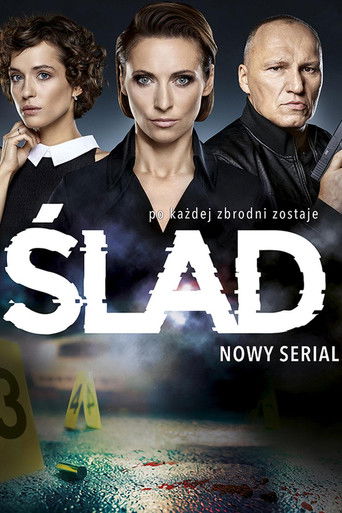


Sometimes, a single unexpected event can irreversibly alter one's life. What would happen, if one day you were to wake up and discover, that you don't know who you are, who you love or care about? Is fate cruel enough to take everything, including your identity and memories? How can you piece together your new life, when you're missing the building elements of who you are?

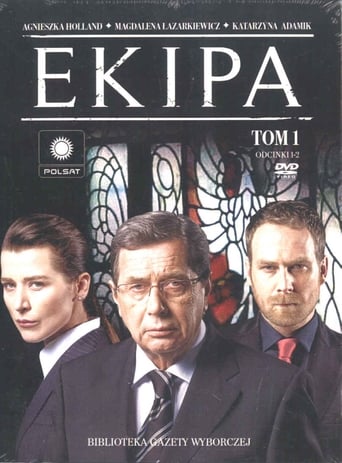
Ekipa is a Polish political drama TV series created and directed by Agnieszka Holland, aired from 13 September 2007 until 6 December 2007 on Polsat. Ekipa is the second Polish political fiction series after the 1980s miniseries The Career of Nicodemus Dyzma.

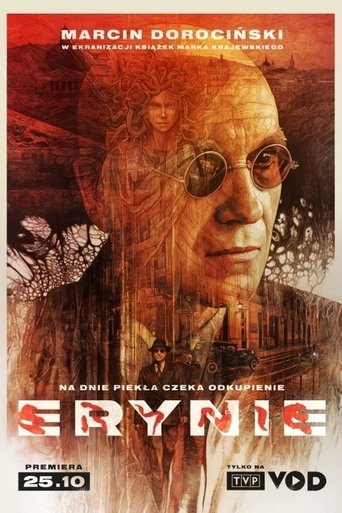
Edward Popielski, a Polish detective, who suffers from photogenic epilepsy, which helps him track down criminals.
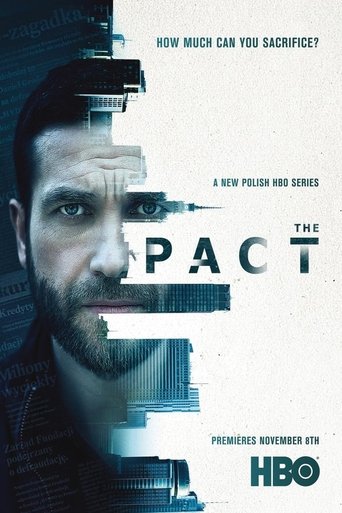
Piotr Grodecki is an investigative journalist uncovering corruption and scandals at the highest levels of government.
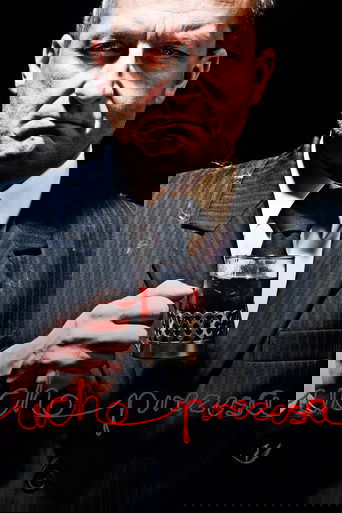
The series follows the chairman of the ruling political party in Poland (Mr Chairman). The narrative takes place primarily in his office where, joined by his assistant Mariusz, he hosts numerous visitors, including government officials and other public office holders.

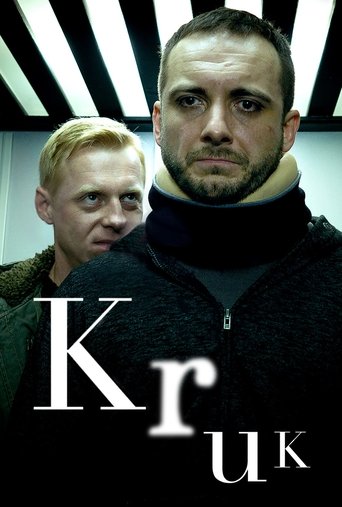
Adam Kruk, a 40 year old police officer addicted to painkillers and psychotropic drugs, returns to the town he grew up in to find the paedophile who abused his friend Slawek years ago. Once there, he is unexpectedly called to investigate a new case: the kidnapping of a powerful man's grandson, which he undertakes to help set him free from his past mistakes. As he was unable to protect Slawek, he sees this case as a second chance to protect a child and an opportunity for justice. Adam must control the darkest corners of his mind to solve the kidnapping and as the case unfolds, he discovers answers which will reveal an unexpected link between these two cases.
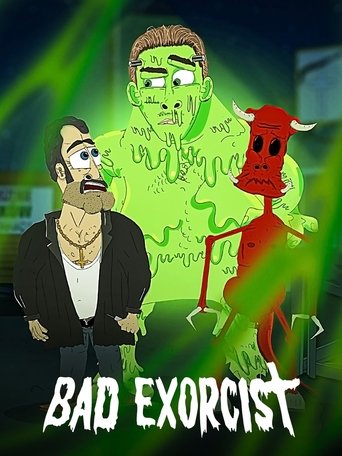
No demon is safe as Bogdan Boner, the alcohol-loving, self-taught exorcist-for-hire, returns with more inventive, obscene and deadly deeds.
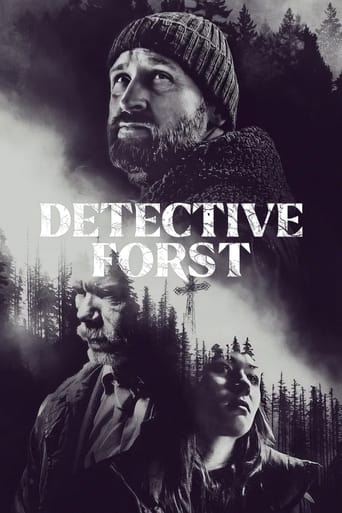
Atop a Polish mountain, a gruff detective with unusual methods investigates the bizarre murder of an unpopular professor.