
Ea'eb 2022
During his show, a TV host is left scared as he recalls a disappointment with his mother, his identity crisis, and a hideous green suit.
During his show, a TV host is left scared as he recalls a disappointment with his mother, his identity crisis, and a hideous green suit.
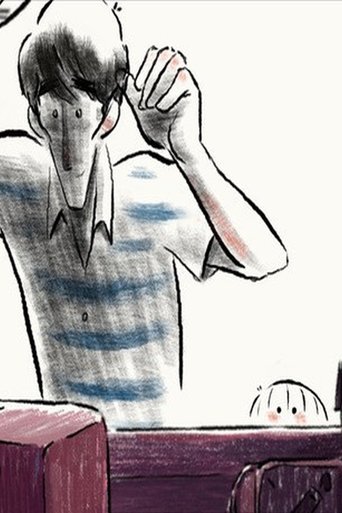
For the first time, Tamar (5 years old), accompanies her dad in a hotel where vacationers look a bit strange... Through the eyes of the child then begins a journey tinged with surrealism. Tamar will eventually discover the hidden story of her father, a part of his life that she does not know.
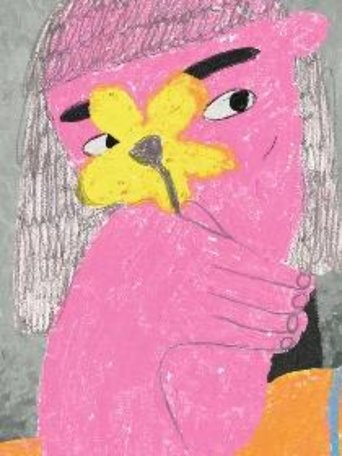
Documenting brief moments in the daily lives of three teenagers, and the dynamics with the environment in which they live.
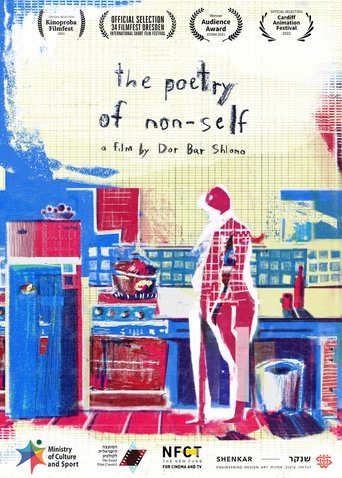
“The Poetry of Non-Self” is a short animation film that deals with moments that hold beauty, with how the sense of self is absent from such moments, and with the notion that this is, in a way, what childhood is like.

A Modern Orthodox Jewish man, Hillel Rate turns the camera on his own quest for love. As his prospects improve, he finds himself reflecting on the tension between finding someone to spend your life with whilst losing the opportunity to love another. Love, he discovers, is full of bittersweet sacrifice.
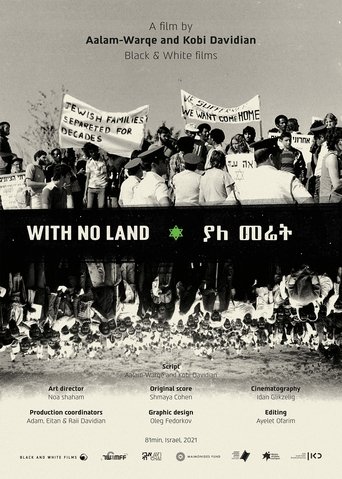
Firsthand testimonies and unique archival footage tell the history of the Jewish Ethiopian community and the efforts made to bring them to Israel.
The heritage of a never-opened suitcase reveals for the children the secret history of their parents. The Boers were one of the many Jewish families who managed to escape the holocaust by crossing the Pyrenees. Although there are many stories that have been written about it, there has never been one so well documented. The Jewish Wedding tells the emotional legacy of the Holocaust for second-generation Jews, and how they cope with the silence about a story they are afraid to remember.
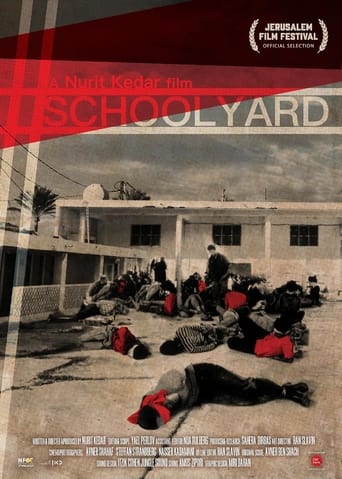
#Schoolyard: An Untold Story is the anatomy of a murder – the step by step, blow by blow, memory by memory chronicle of a horrible moment in Israeli military history.
After the passing of his girlfriend, unwilling to move on, Daniel is left with recollection of his past memories, his last dance.
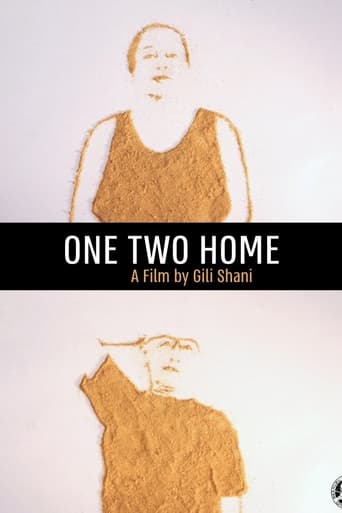
A girl’s home falls apart as a result of her parents’ divorce. Her buried memories are revealed through a sea of grains of sand.
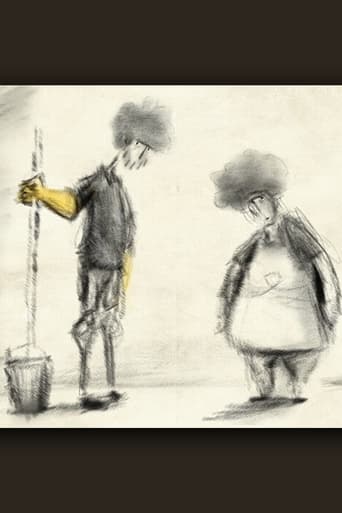
The relations between a mother and son are tested during the preparations for the Passover cleaning ritual when the son decides to burn down the house to set them both free.
A man and a woman have an intimate conversation about birds and everything between them.
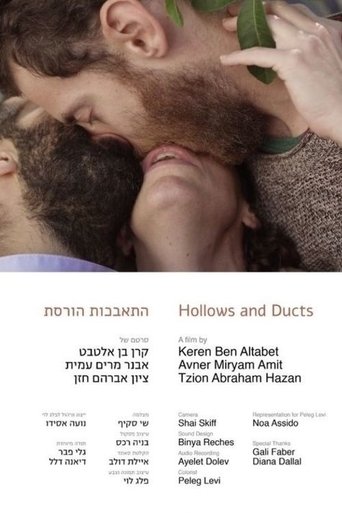
The filmmakers gather to sing in a unique position, in which the mouth of one envelops the nostrils of the other, as all three voices vibrate potently throughout the body cavities.
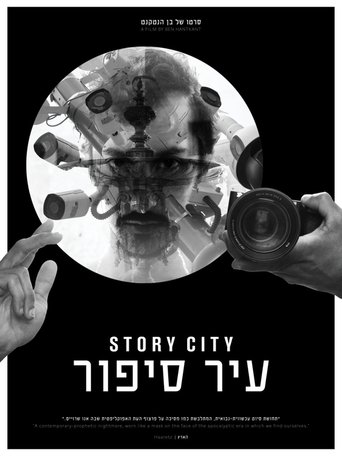
The film presents a free interpretation of ‘Daniel’s vision’ – an ancient Jewish prophecy describing the reign of a mysterious metal beast. In the film, the beast becomes a hybrid creature, representing an extensive system of historical and contemporary subjects – such as Jerusalem Syndrome, religion, prophecy, disease, photography, media, virtual existence, and public space policing.
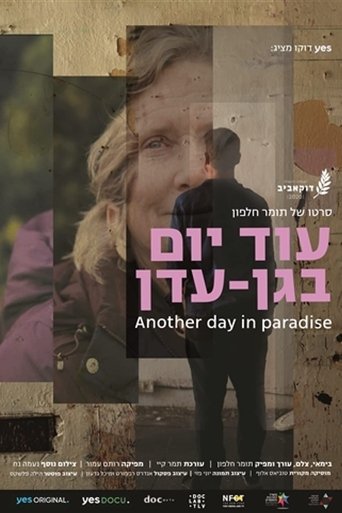
When Israeli-born Tomer moves to Hawaii in search for a better life, he expects to start a family with his friend Mataia. He could never have known that Mataia's mother, Trina would interrupt their plans with a suicide attempt. Living with bipolar disorder, Trina's struggles exacerbate after the loss of her son and life is never the same again. Waking up from a 70-day coma, Trina is compelled to re-evaluate her own life - and her own death. Following her post-attempt life, thoughts and feelings, Another Day in Paradise poses important questions about mortality, morality, mental-health and the conscience to remain in this world or not.
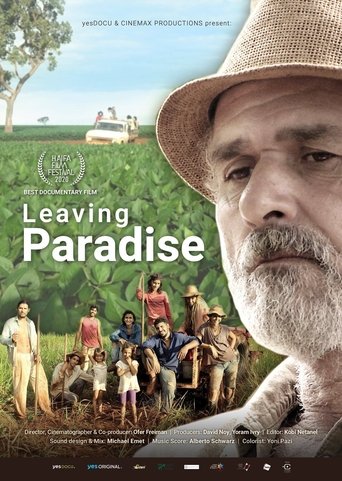
Cleo fulfilled his dream: to leave the big city with his wife and fifteen children, to establish a family commune on a farm in Brazil. Exploring their family-roots leads the children to discover their surprising heritage, which undermines the existence of the communal paradise.
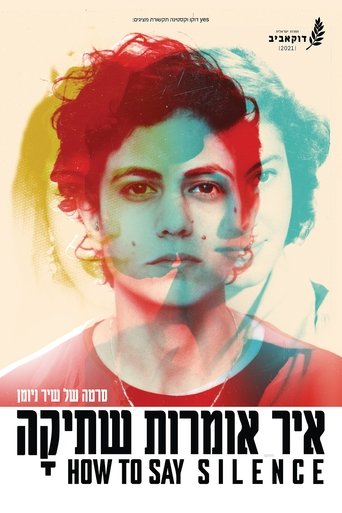
A photo found by the filmmaker at her grandmother’s house after her death seemed strange. She has a pregnant belly. But she had told the story of adopting the director’s father because she was not able to conceive. Her old friends explained the kibbutz decided state-building efforts preclude giving birth, and she had an abortion that damaged her womb. This set the director’s curiosity about her biological grandmother. The adoption file told of Shoshana, 16, an Iraqi immigrant who got pregnant out of wedlock. Her sister revealed that the family abused her but she refused to give up the baby, who was eventually taken from her. Both suffered patriarchal oppression and remained silent. The grandmothers’ stories led the filmmaker to confront her parents about her own silence on sexual abuse in the family. For the sake of the three, she must break silence.
