Rev. S.S. Jones Home Movie: Smithsonian Collection Reel 3

Rev. S.S. Jones Home Movie: Smithsonian Collection Reel 3 1925

1

A home movie featuring footage taken in Oklahoma during the middle and late 1920s by Solomon Sir Jones. It is the third in a collection of nine films and consists of a single reel of silent 16mm black-and-white acetate film.

1925

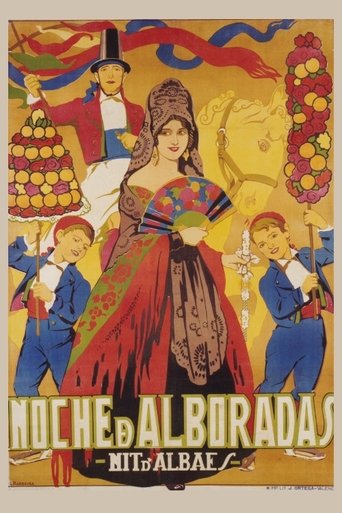
Nit d'albaes

Nit d'albaes 1925

1

Silent melodrama set in L'Albufera of Valencia.

1925

The Tale of the Amp Lion

The Tale of the Amp Lion 1925

1

William Heath Robinson’s comic drawings of elaborate improvised machines captured the nation’s imagination enough for his name to enter the English language. In this silent cartoon ad he makes the creative step of morphing the ‘Amplion’ loud speaker, marketed for early gramophones and wireless sets, into a rampaging lion.

1925

Dutch Basalt Company

Dutch Basalt Company 1925

1

This corporate film shows the work of Dutch asphalt companies such as the Nederlandsche Basalt Maatschappij, NV Bitumenweg, and H.P. Vale Arnhem. We see the raw materials arriving by barge, the processing of these materials into the final product, and the different stages involved in paving the roads.

1925

My Flight to Persia

My Flight to Persia 1925

1

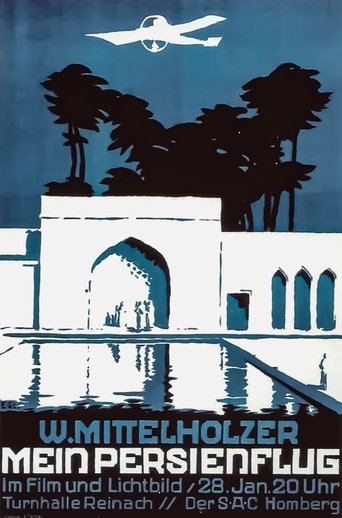
A film by Walter Mittelholzer, shot during a flight from Zurich to Teheran he made on business in 1924 for the Junkers factories, a German manufacturer of planes and motors.

1925

The Twin Jade Pavilion

The Twin Jade Pavilion 1925

1

The main character Kyung-zha has two sons from different men. The elder Chon-nam was born out of wedlock and given to the upbringing of a village old woman, the younger Il-nam - from a lawful husband. One day the brothers meet.

1925

Iceland in Moving Pictures

Iceland in Moving Pictures 1925

1

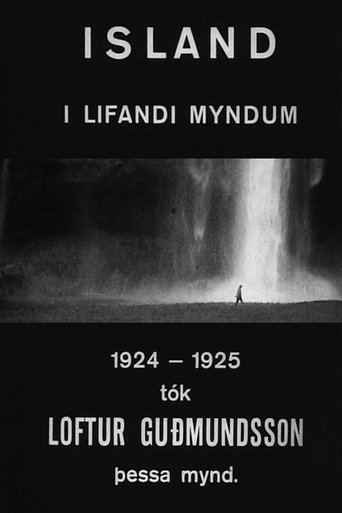
There is very little information available online on this little gem, the first 'feature-length' film shot exclusively in Iceland by an Icelandic director, the pioneer Loftur Guðmundsson. Director and crew travelled all around the country with the ambitious goal of documenting all the aspects of the local life at the time. Fishing plays an important role (being then, by far, the number one national industry); one can also witness the humble beginnings of 'city-life' in the capital, one of the first (or was it the very first?) cars driving in Iceland, beautiful pastoral shots of farm-lands, ladies posing in the national costume, as well as fighters indulging in the national sport, 'glyma'. The 21st century traveller will be able to recognize a number of landmarks. The images are often naive, genuine, and captivating. In my opinion one of the most valuable Icelandic films. --Ewolve

1925