Kūrybos mįslė 2012
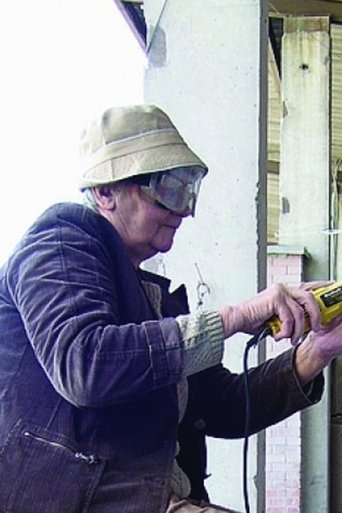
The film about the famous Lithuanian sculptor Dalia Matulaitė - the author of many decorative sculptures, monuments and small sculptures.
The film about the famous Lithuanian sculptor Dalia Matulaitė - the author of many decorative sculptures, monuments and small sculptures.
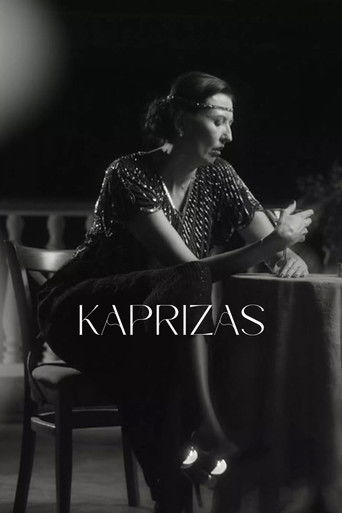
A gallery of fragile, self-obsessed characters found in a night club. They are like cut flowers or pinned butterflies and they must pay for their capricious beauty with loneliness and never-ending anxiety about their self-image.
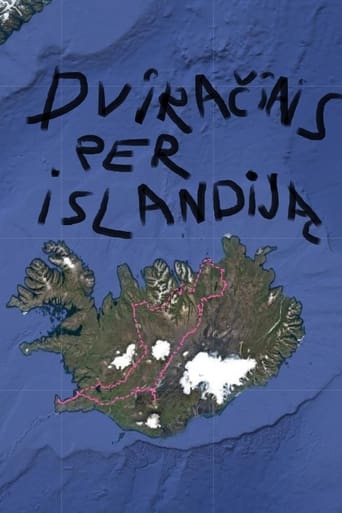
Travellers cycle across Iceland.
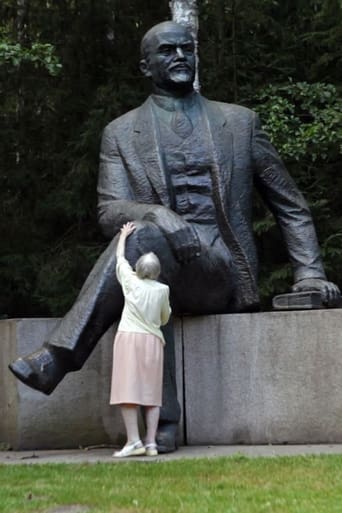
In the spring of 1986, Aldona lost her vision and became permanently blind. The nerves in her eyes were poisoned. Doctors claimed that it was probably due to Chernobyl’s Nuclear Power Plant explosion. In the film we follow Aldona through a daily sojourn to Grutas Park, touching both the past and the present.
The border between Lithuania and Belarus used to be a fluid border between Soviet republics. Today it is one of Europe's forgotten outskirts, with the Schengen fence dividing communities, families and lives.
Vulkanovka is a poor village in Crimean steppe, as local people say, forgotten by God and by people. Nonetheless that place came very much alive when famous Lithuanian film director Sharunas Bartas crew stayed here for almost two years filming Seven Invisible Men. Most of local people helped filmmakers a good deal. But the Grand Cinema left and probably won’t come back. So the life of Vulkanovka returned to its usual routine. But it’s not for everyone. Film director Giedre Beinoriute with her crew came to Vulkanovka nine months later. In her documentary people speak about their “cinematographic” experience with great enthusiasm. They tell about how it was and how it was different from their earlier understanding about filmmaking. Different moods and people’s openness in the film are interwoven into daily life of Vulkanovka with its rituals of caws’ feeding, shopping in the only shop “Produkty”, collecting metal and other.

The footage of the film shows Joniškis, Kriukai and Žagarė, places of large Jewish communities before the war. The locals remember the Jews, and tell about the tragedy that befell them during the years of fascist German occupation.
This film is about human alienation in a consumerist society. Nowadays man surrounded by modern industry tools founds himself solitary. He seeks his way out of the routine and enforced life norms but all he meets is a dead-end.
The film tells about the pre-war Lithuanian Jewish community, reflects on its death as an irreparable loss of the country. // LFC.lt
There's a rising number of drug addicts, thieves and raped teenagers in prisons and colonies.
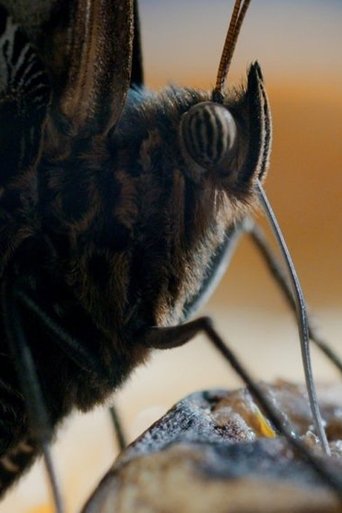
In a private farm, a butterfly is born only to be sold as a prop for a concert. Its journey to the music hall reflects the struggle to survive in the modern-day civilization.
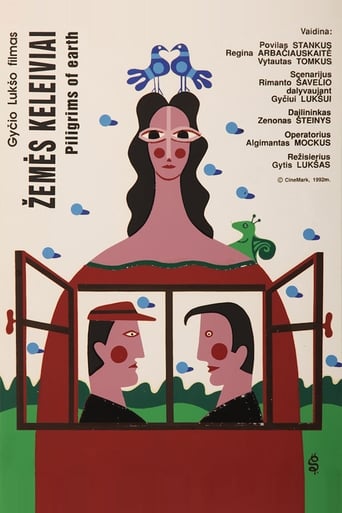
Post Soviet life in Lithuania, the contemporary situation of a lonely man's soul.

Glastnost and Lithuania’s eventual independence from the USSR open up the possibility of examining previously banned subjects: death, postwar resistance and – as in We Were at Our Own Field – the damage done by the Soviet occupation and the simple longing for home.

When Henrikas Šablevičius started filming Lithuanian “oddballs” – a professor, a fortune teller, racers, and many others who fell short of the concept of the “model citizen” – he invented a bizarre new genre of documentary biopic. Characteristic of these portraits is a sense of mocking irony directed not at their subjects (on the contrary, the filmmaker’s affection for them is palpable) but at the “Soviet hero” genre. The subject of this film is Apolinaras, a kindhearted policeman who even outwardly looks very unlike the ideological “guardian of morals.”.

The party of the rich becomes inhuman.
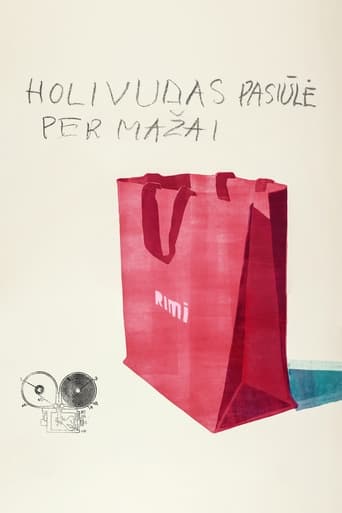
Valdemaras Isoda got hooked on cinema since five. This addiction never went away. He is not a film director, he is not a screenwriter, nor a critic. He is a man who had been too good for Hollywood.

Albertas, a lift-operator, sits all day waiting for someone to ring the elevator. His wait transcends his sense of community and symbolism, a sign that someone needs him. The film, rife with surreal humor, is the documentary version of Samuel Beckett’s ‘Waiting for Godot’.
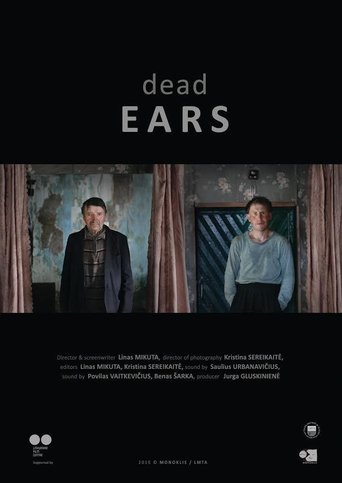
Two men, an aged farmer and his deaf-mute son, live in a remote area, isolated from civilization. Though sharing the same roof, problems, and sorrows they remain very distant from one another. Their attempts at conversation turn to misunderstanding if not conflict. Father thinks his son is abnormal and childish. Son sees his father as insensitive and crude. Can the two men find their way into understanding one another?

Conversations On Serious Topics is a film without exterior action, props, landscapes or special effects. Its main characters are children and teenagers with a special ability to describe the surrounding world. Intimate conversations with them reveal the picture of the modern world -- at times melancholic, at times comical, at times dramatic. Shot in a minimalist fashion, the film raises questions about loneliness, love, God, the world and human relations. "The world is people." "Don't you believe in God? I can teach you how to start believing..."
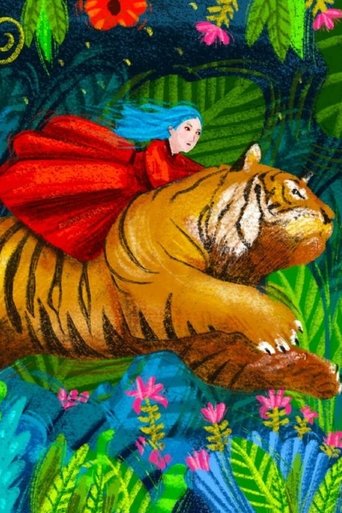
In this synthesis of poetry and animation, a woman’s soul travels through ever-new lives and physical forms. In the existential chaos, she pursues the highest goal in life - to find her soul twin.
