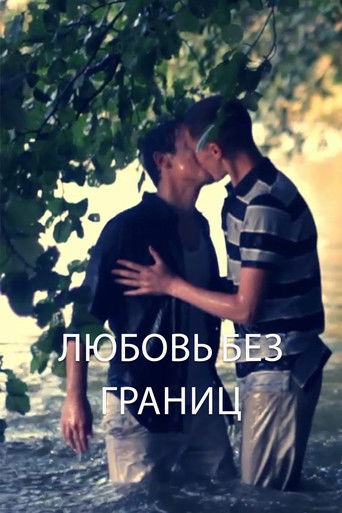
Love is Equal 2012
Love is an intentional practice, a skill, a choice, and a path to growth, breaking cycles, and fostering universal connection.
Love is an intentional practice, a skill, a choice, and a path to growth, breaking cycles, and fostering universal connection.
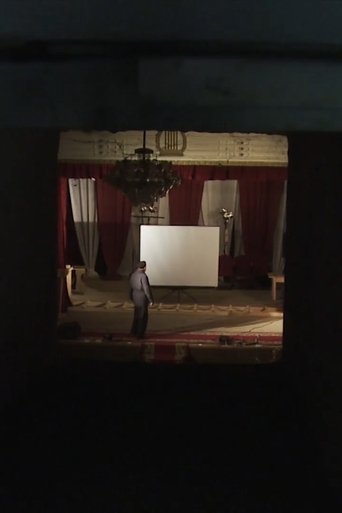
Documentary short by Volha Dashuk about amateur filmmaker Anatol Schneider.
Wedding traditions of Polesie.

A film about folk performers of Polesie and Mogilev region Stepan Dubeyko and Mikhas Basyakov.

Residents of the village in Gomel oblast' tell legends about forest spirits and features of communicating with them. Old customs and superstitions have survived to our days.
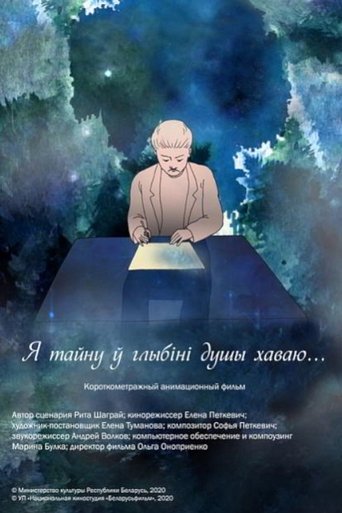
Where is this train going? Passengers are lulled to sleep by the rhythmic clatter of the wheels, familiar poetic lines about the native land, and folk songs. Is it possible to change the direction, to hop on another train, to rewind the tape? Quavering reflections dance in a strange roundelay: the grain, a girl, a stork, a bone, the truth, and the resentment... Welcome to the Gray Edge.
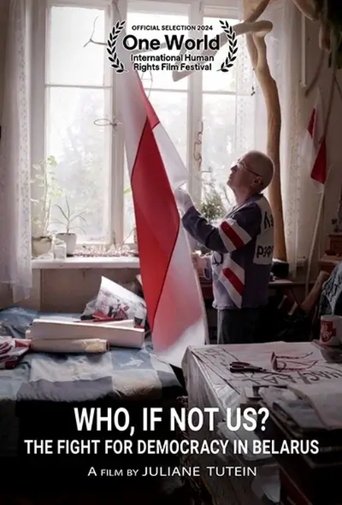
In 2020, the biggest protests against the government to date formed in Belarus. The protesters were met with violence and restrictions, many of them were given draconian prison sentences. A dangerous climate that sought to nip political activism in the bud took hold. For “Who, If Not Us? The Fight for Democracy in Belarus,” Juliane Tutein filmed and researched for three years in a country that had not seen a change of elites with its supposed independence in 1991. She discovered mainly women at the forefront of the courageous protesters. This portrait is dedicated to three of them: Nina Baginskaya, in her mid-seventies and active in the fight for an open Belarus since the 1980s, Tatsyana “Tanya” Hatsura-Yavorskaya, founder of the human rights film festival “Watch Docs”, and Darya Rublevskaya, the youngest at 22, who works for the “Viasna” human rights centre founded by Nobel Peace Prize laureate Ales Bialiatski.
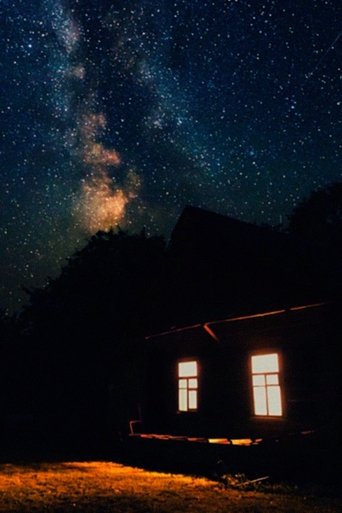
Wadzim and Staś own a agritourism destination. They believe that the 2020 season will be successful because a very rare astronomical phenomenon, the so-called Planet Parade that occurs every 100 years. However, the unexpected events that began after the Presidential elections do not go according to plan.
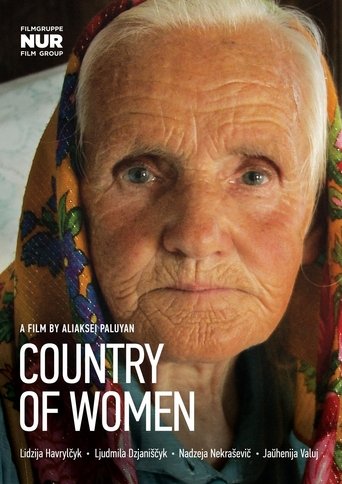
The Belarusian village Lubeiki is inhabited solely by women. They not only outlived their husbands, but their children as well. Nevertheless, they have immense vitality and will to live. In the words of one of the main characters, "life is short, but sweet." In the film, they sift through their memories and share with us their wisdom.

Druya is a small and old town. The most fascinating about it is not its history, not specific dates and names of people, but the atmosphere. Looking at the surviving walls and furnishings, the imagination itself depicts the history of this place. Sometimes in the empty half-abandoned architectural monuments one can feel the rumble of past epochs, the weight of centuries oversaturated with events.

The story of a guy named Yura from the Minsk suburbs, who loves sucking locally-flavored soapy beer, staggers in search of work and tearfully sings while playing his guitar: "Chemistry, chemistry, you little wait for me and remember me." Having accidentally appeared on an opposition rally dispersed by police, Yura meets an activist of the "Beaver Youth" movement, which exists due to Western grants, and steals a cell phone from their office. And it falls into history, and more precisely, into the field of state interests of the Belarusian state. First, an American spy, and then A.G. Lukashenko himself, begin calling Yura. As a result, “Beaver” nominates a homeless president who has become the next owner of the ill-fated mobile phone, and Yura returns to his “little one,” drinking unbearable domestic beer and watching stupid TV shows.
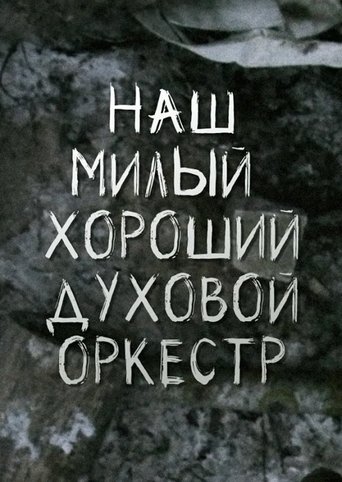
One day, the artist Arthur makes up an adventure for himself - he goes to the village of Bocheikovo, to the former estate of Count Tykhonovetsky, in search of the count's archives. Arthur hopes to find blueprints and maps drawn up by Tihonovetsky on how to make his way into space, floating down the river. In the place of the former manor there is an abandoned house of culture and a monument to the muscular proletarian pointing to the sky. Arthur finds the oldest man in the village, capable of at least something to tell. From him, he learns a story about a treasure, which has long been shared.
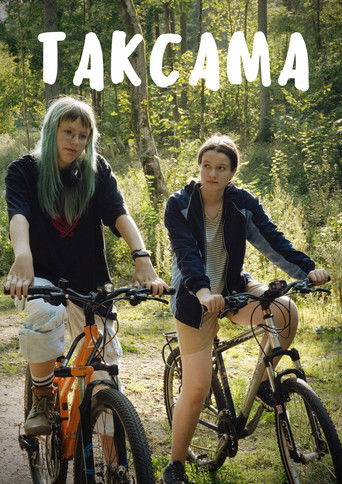
Having gotten lost in the woods, a teenage girl slips into the past and spends a summer day with her mother at fifteen. In shared conversations and small moments, she gets to know her mother from new sides and learns that growing up feels the same in every time.
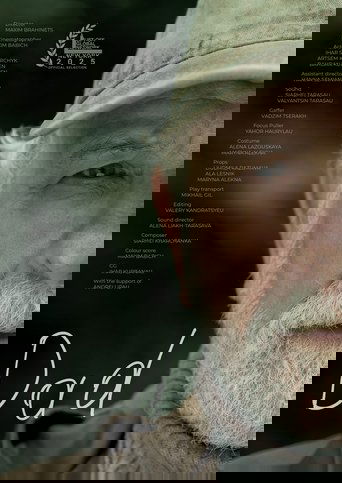
A father and son go fishing. Years go by — yet one thing remains constant. A symbolic drama about the inexorable passage of time.

Filming was carried out in the village of Dzerzhinsk (until 1939 - Radilovichi) in the Lelchitsky district of the Gomel region in 1992 using local legends and tales, conspiracies, songs and rituals of the autumn cycle, traditional crafts.
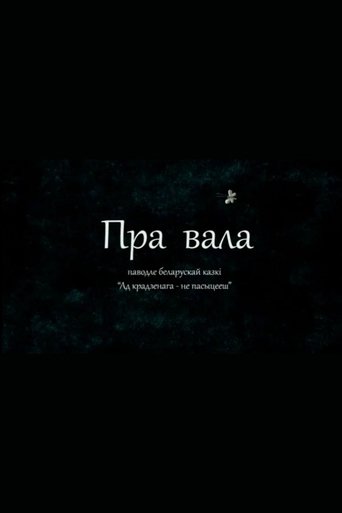
Based on the Belarus tale "Ад крадзенага — не пасыцееш". The villager had two sons. Time has come and father brought them to get a job. Then one of the sons said that he don't want to work and will be stealing the oxen instead.
Traditional marriage matchmaking in Polesie.
Namskyi Velikden is the widespread Day of Dead in the Polesie. According to the old legends it is believed that souls of the dead ancestors come back to earth.
Film closely depicts christmas caroling from Polesie.
