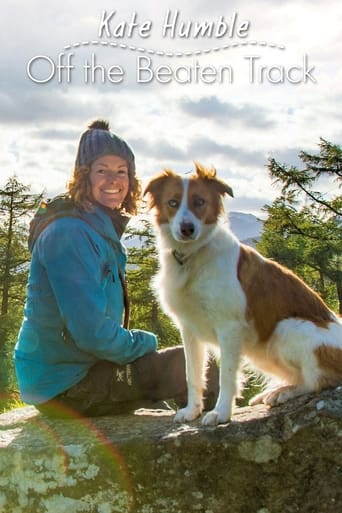
Kate Humble: Off the Beaten Track 2018
Kate Humble and her Welsh sheepdog Teg travel from the tip of North Wales through the remotest parts of Wales to the south coast. Along the way they explore how the landscape shapes the people who live there.
Kate Humble and her Welsh sheepdog Teg travel from the tip of North Wales through the remotest parts of Wales to the south coast. Along the way they explore how the landscape shapes the people who live there.

Documentary series examining how trees have always been at the heart of Britain's political, artistic and economic life.
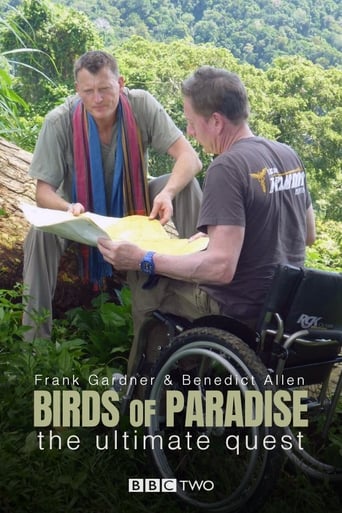
Frank Gardner and Benedict Allen journey through Papua New Guinea. Gardner is pursuing a lifelong dream to see birds of paradise, while Allen is returning to the tribe he abandoned 30 years ago.
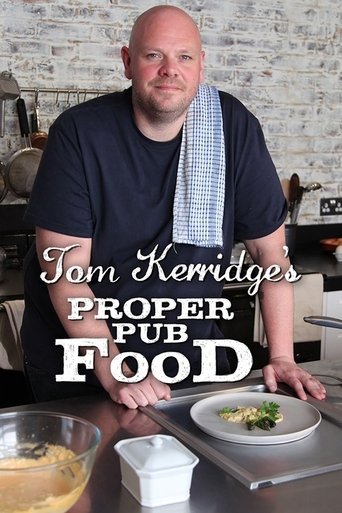
Tom Kerridge, famed for cooking food that has won him two Michelin stars in his own pub, shows how to cook dishes at home inspired by British pub classics.
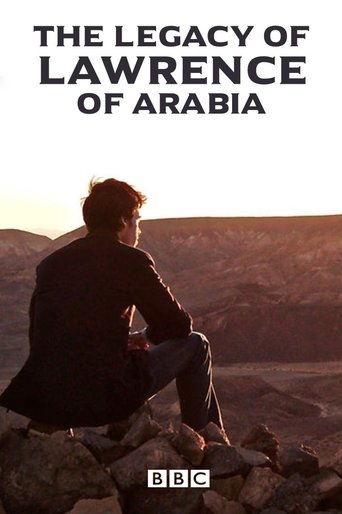
Rory Stewart examines the writings of Lawrence of Arabia, and learns that the warrior hero himself later questioned the very nature of his intervention in the Middle East.
Jimmy Doherty embarks on a quest to reveal the hidden lives of farmyard animals.
I Love the '70s is a television mini-series produced by the BBC that examines the pop culture of the 1970s. It was broadcast in ten hour-long episodes, one dedicated to each year, with the first episode, I Love 1970, premiering on BBC Two on 22 July 2000, and the last, I Love 1979, premiering on 23 September 2000. On the original broadcasts, each episode was followed by the host introducing a film from that particular year. The series proved successful and thus was followed by two similar series, I Love the '80s and I Love the '90s, both of which aired during 2001. The "I Love..."-series spawned a US version, aired by VH-1. Part of the series was repeated in the spring of 2012 on BBC Two as part of a special season dedicated to the 1970s. The episode 'I Love 1975" is the only episode that suffered technical problems, and as concluded as part of the years that the BBC suffered problems.
Gordon Buchanan takes some of our best-loved household names on a wildlife adventure where they get up close and personal with some of the UK's most iconic species.
The birth and development of the Industrial Revolution is explored by visiting factories, mines, and other industrial relics where the modern world was made -- not by statesmen and philosophers, but by men, women and children with dirt on their hands.
The generation of Nazis who fought during World War 2 is almost gone, their lives, their actions, and their crimes soon to be consigned to history forever. It's the last chance to tell these stories, to speak to these men; to enter their worlds; and uncover the impact their existence has had on others.
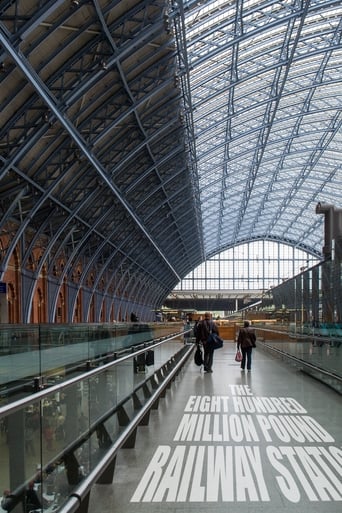
Series telling the story of the architects, engineers and spin doctors who entered a frantic two year race to make the Royal Opening of St Pancras on time.
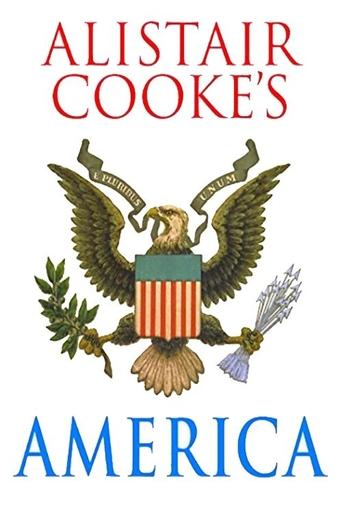
First transmitted in 1972, Alistair Cooke's America was a series of thirteen, fifty-minute films in colour, written and narrated by Alistair Cooke. The programmes trace the history of the United States from the early voyages of discovery to the present.
What the Industrial Revolution Did for Us is a BBC documentary series produced in conjunction with the Open University that examines the impact of the Industrial Revolution on modern society. It was originally broadcast on BBC Two in autumn 2003.
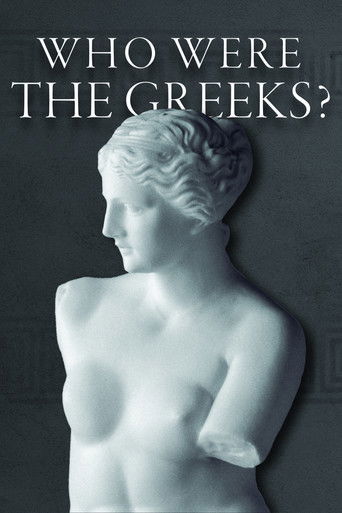
Classicist Dr Michael Scott uncovers the strange, alien world of the ancient Greeks. He asks who were these people who gave us democracy, architecture, philosophy, language, literature and sport.

Making the Most of the Micro was a TV series broadcast in 1983 as part of the BBC's Computer Literacy Project. It followed the earlier series The Computer Programme. Unlike its predecessor, Making the Most of the Micro delved somewhat deeper into the technicalities and uses that microcomputers could be put to, once again mainly using the BBC Micro in the studio for demonstration purposes. The series was followed by Micro Live.
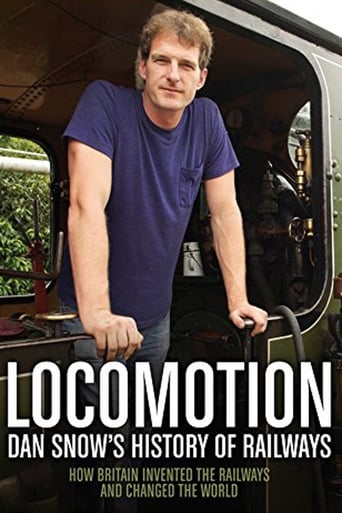
Dan Snow examines the development of the railways from their beginnings as track-ways for coal carts in the early 18th century to the pivotal technology for modern Britain.
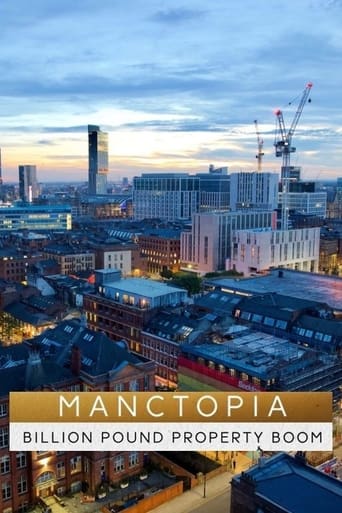
Meet the people living and working in the eye of Manchester’s remarkable housing boom.

The UK's leading inventors create ingenious new solutions to every-day problems and build life-changing solutions for people in desperate need.
The story of Britain’s biggest ever food scandal. Mad cow disease has killed almost 200 people. It is an epidemic that was created through greed and political miscalculation.
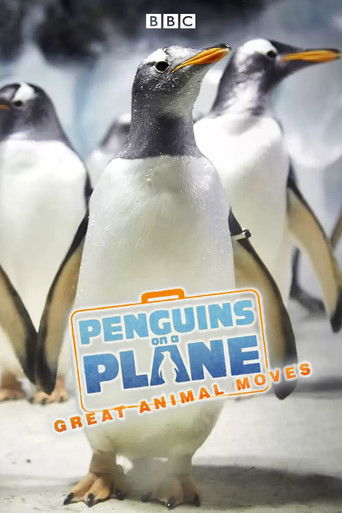
Penguins on a Plane: Great Animal Moves follows the expert handlers entrusted with transporting some of the world's most precious and challenging cargo safely to their destinations.
