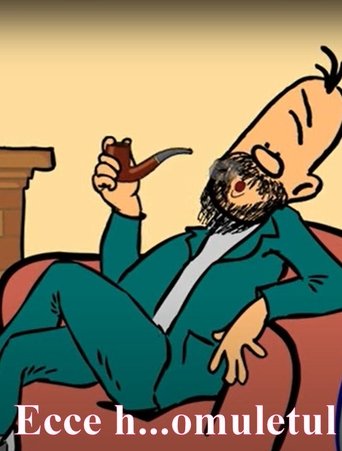
Ecce H...omulețul 1970
Bogdan Mihailescu creates a short animation about the famous Gopo`s little man.
Bogdan Mihailescu creates a short animation about the famous Gopo`s little man.

In an unusual spaghetti western setting, a man - played by Ilarion Ciobanu - returns to his home village after spending time at the front. He finds his wife in the company of another man - played by Anușavan Salamanian - who is also raising his son. The confrontation between the two is at its most intense when they exchange glances that, in Ciobanu's case, seem to be a textbook study in Clint Eastwood's taciturn protagonist from Sergio Leone's famous trilogy. In many ways, People Aren't Goats stands out among all the other student films of the period. But the point where it proves most particular is its belonging to a genre - spaghetti western - at that time still new worldwide, whose national exponent will remain Ilarion Ciobanu, through the roles he played in the singular western trilogy, released a few years later, in which the people of the Ardennes go through all sorts of adventures.
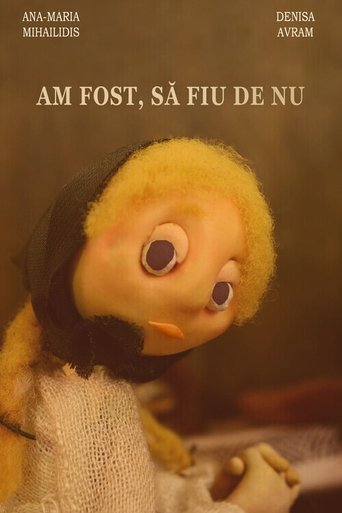
The life of Mara, a teenage girl from rural Romania in the 1950s, is turned upside down after her parents arrange a marriage for her with a wealthy young man from a neighboring village. Mara finds herself in a situation with no escape, and her romantic feelings for her friend, Ioana, upset her completely.
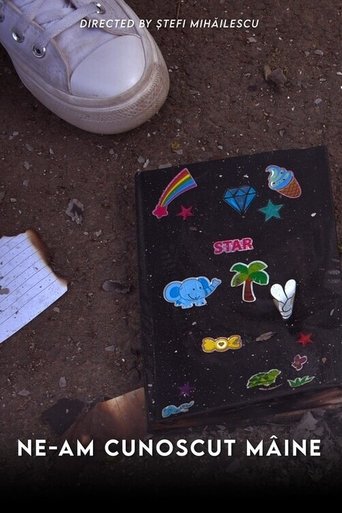
Two best friends get through the most challenging moment of their friendship and it all starts when they find each other’s personal diaries.
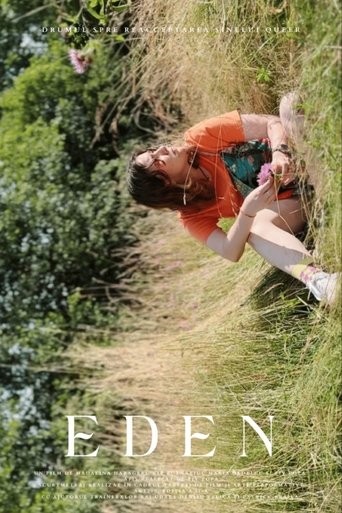
Following a triggering experience, Eden, the titular character, retreats into her inner world. There she goes through a process of self-discovery, starting from a sense of discomfort with her queer, non-conformist side, and finally reaching self-acceptance and a renewed courage to face the outside world.

The film is part of a series of scientific venatorial touristic films produced in 1930 și describes the process of extracting and transforming gold in the Apuseni Mountains.
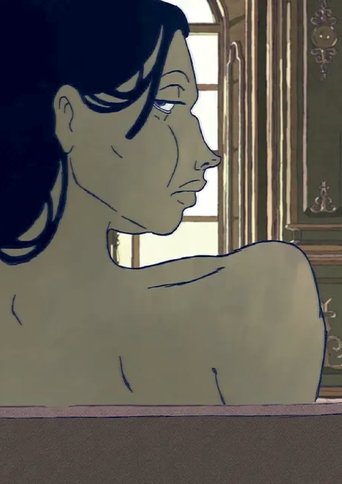
A woman gives shape to octopuses out of her own flesh. When she runs out of matter, she has to face what she has created.
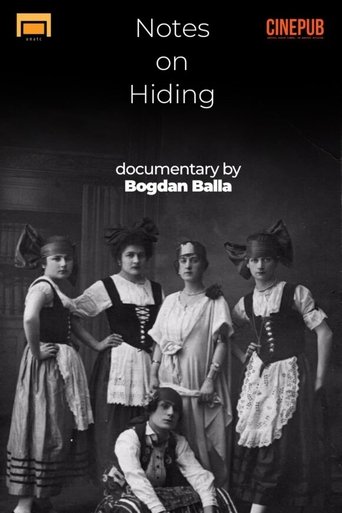
In the 90's and early 2000's Romanian mainstream press began reporting on homosexuality and activism in a very flashy and sensationalistic manner. Notes on Hiding focuses on what the media didn't report on.
a scream bothers someone's existence, but it's not the horizon that holds it.
Two years after its founding, Vivi Drăgan Vasile makes an assessment of the Foundation: “An idea was born, namely that market economy should somehow also work in favour of the artists. Some outlawry, in other words.” It includes images from George Soros’ visit at FAV and a board meeting of the Foundation.
Chronicle of a Visit Foretold is part of a series of three music videos made by Andrieș at FAV and talks sarcastically about the visit of King Michael I, which was blocked by president Iliescu.
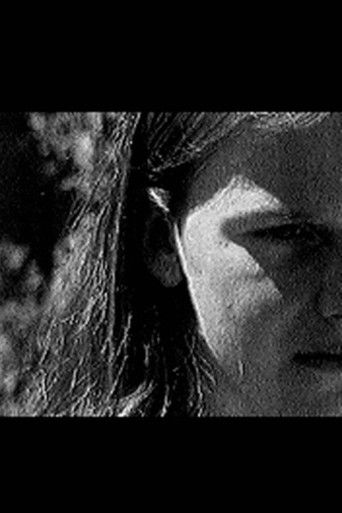
The hypnotic, semi-fictional diary of a young woman’s coming of age in a world which gives her no privacy.
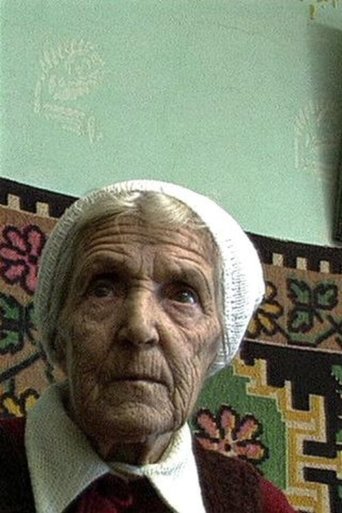
On the one hand, the women’s aged faces, filmed among objects collected over a lifetime; on the other, the power of metaphorical images: volcanoes, cemeteries, construction sites. A meditation on the act of passing.
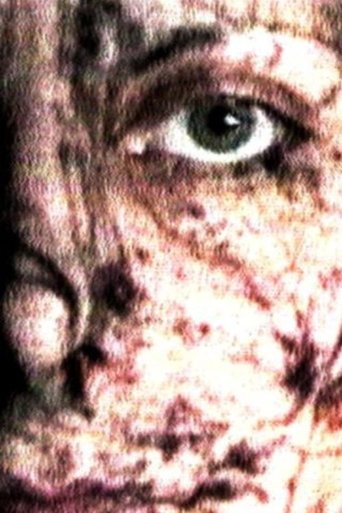
In a mixture of performance and body art, the artist uses her own face and body as a projector screen and painted background.
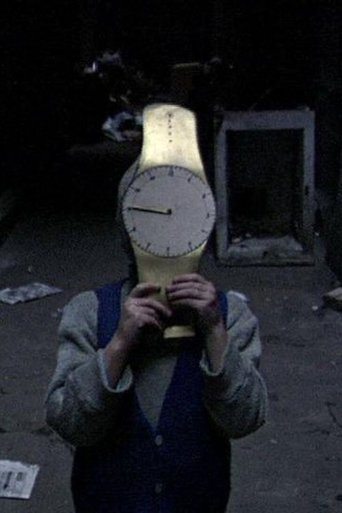
In an apartment building in the centre of Bucharest various personal histories coexist. The neighbours know everything about each other. In his or her own way, each of them is captive within the walls that face the inner courtyard.
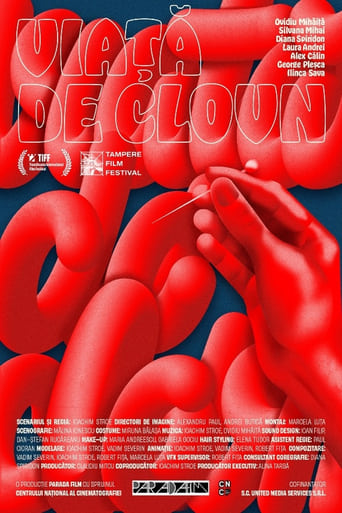
The film tells the story of a man that goes through life being an actual clown. Not by choice, he is just born this way. We get to watch him going through a few crucial moments of his life like his birth, school, job, first love. We witness his downfall as life becomes harder and people become meaner.
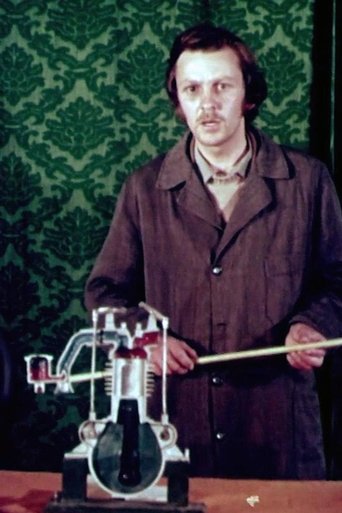
On the banks of Ozana follows the lives of children who dedicate their time to agricultural work.
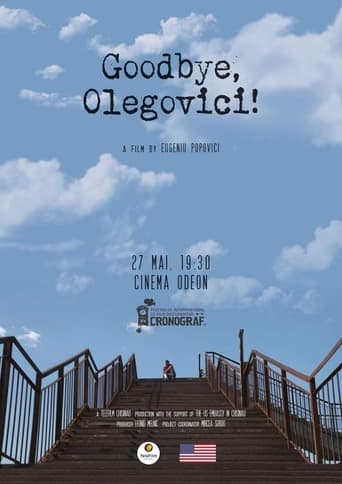
Misha, a 17-year-old boy, spent the last three years of his life in Goian, the only penitentiary for minors from Moldova. On the last day of his conviction, he gathers some of the things he can take „home”. His plans for life after-prison look promising. Misha intends to find a job, to start a family and to recover what he missed from his relationship with his parents and two younger brothers.
Shot in various romanian traditional villages on Prahova Valley, the film explores the simple life of isolated villagers of all ages, throughout all four seasons.