
Diell 1970
A shy girl moves to a small town to stay with her cold aunt. She gets taken care of by a rebellious teenager who also doesn't want anything to do with her.
A shy girl moves to a small town to stay with her cold aunt. She gets taken care of by a rebellious teenager who also doesn't want anything to do with her.

Patriarchal times in northern Albania gave birth to a phenomenon - the replacement of the man at the head of the household by a woman. These are masculine times, in which the woman is only tasked with taking care of the household and raising the children. But, locked in these social roles, girls emerge, ready to abandon their female identity and follow the path of honor. They want to be respected women with the power of a man, not for themselves, but for others. They give up marriage and sexual relations. They choose to live as men. The fall of the regime opened the country to the modern world, but neither communism nor the emerging democracy succeeded in changing the age-old traditions in the isolated mountainous regions of Albania. In the Cursed Mountains, to the north, the last sworn virgins in Europe today live a man`s life.
A poetic visualization of nature without the presence of man.
Found footage, visual postcards written in the 1990s on VHS, fragments of a new life abroad passed on, sent by planes or buses to Kosovo, and pictures sent back from the country. Hugs on platforms, cars leaving, weddings and birthdays. Dancing and tears: lots of tears of joy and despair. Repeatable situations create chronicles of torn lives, uncertainty, and suspended existences.
A short documentary focusing on the narratives and lives of 5 different women of different generations, offering an anthropological overview of traditions, customs and gender relations in Kosovo.
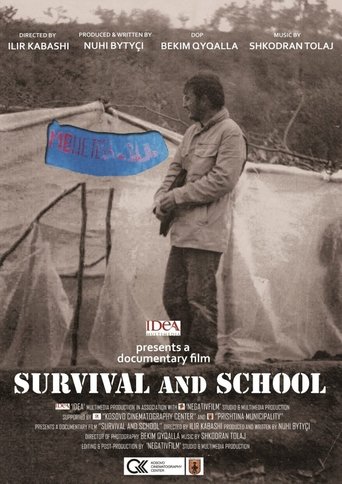
“Survival and School” is a beautiful story about the bad and evil times. An oasis of peace in war time. A nylon school built in the Berisha Mountains (Kosova) that had gathered around 200 pupils of the surrounding villages. The fate of people seen in the twenty-year-old authentic and timely shooting in quite different circumstances reveals the best the bad fate of man.
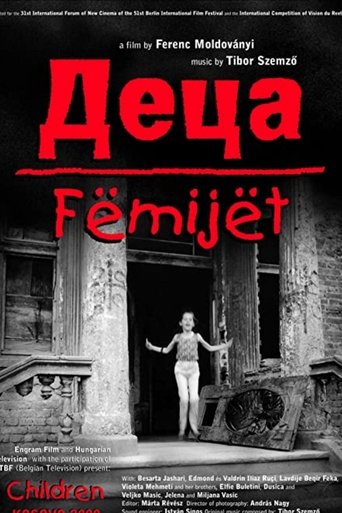
Kosovo in the spring of 2000. Winter is over but in a meteorological sense only. Ruins and pain. The marks of devastation in the sunny landscape. Wounds that never heal, the hesitating , vague gestures of a new beginning. Paradoxes. In black and white, with the broken images of memory imprints in color. Two words: deca and fëmijët , they mean children in Serb and Albanian. These expressions have no place in the irrational dictionary of war. It is the children though who are the most defenseless victims of this war governed by mad hatred. Their suffering has become an indelible chapter of the chronicle at the end of the century, the dawn of the new millennium. Besarta, Violeta, Edmond and Valdrin, Miljana and Jelena are Albanian and Serb children, the film tells their story in black and white with color Super 8 images shot by the children themselves.
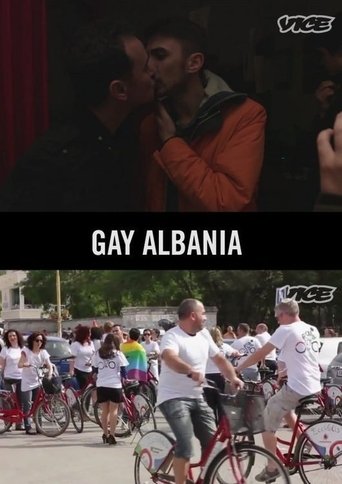
Up until the mid-90s if you were openly gay in Albania, you would be sent to prison. Many homosexuals still face bigotry and violence, even in their own homes. In the last five years, Albania has seen a dynamic LGBTQ movement. Gay activist have created secret guest houses in Tirana that offer shelter to young homosexuals who have been brutally abused. VICE Greece traveled to Albania and recorded rare glimpses into the lives of people who have been victimized and neglected because of their sexual orientation in one of Europe’s most homophobic countries.
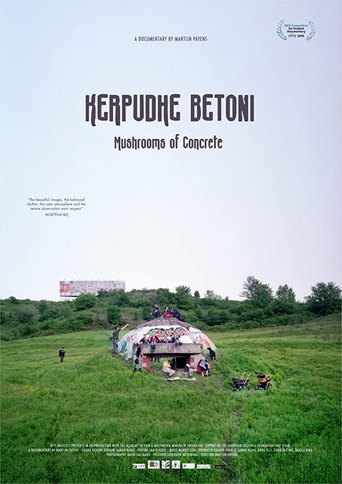
Over 750,000 bunkers were build in Albania for a war that never came. Building them drained vital resources and crippled Albanian industry. Presently, Albanians struggle to put the abandoned hollows to productive, creative use.
Kosovo 1988. Two young boys, a Serbian and an Albanian, raised together in a small town of Kosovo. As they grow up they find themselves in a war between two countries and on different fronts.
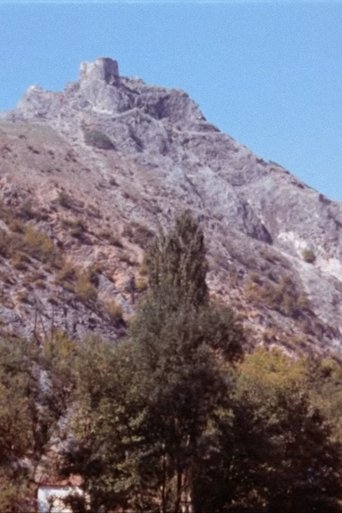
“Prizren - the City of Resources and Beauty” is a documentary directed by Zvonimir Saksida and produced by Zastava Film in 1972, which presents the history, traditions and beauties of Prizren with the aim of promoting the touristic potential of the city. Discovered in the Lumbardhi Cinema archive, it was screened for the first time during the exhibition “At Once Vague and Unavoidable: Modernities 1945-1989” produced as part of the partnership between Lumbardhi Foundation and Oral History Initiative within the project “Prizren Urban Memoryscapes” supported by Franco-German Cultural Fund, the French Embassy, the German Embassy, Municipality of Prizren and Sharrcem. The restoration and digitization of “Prizren - the City of Resources and Beauty” was made possible by the partner of the project, the French National Audiovisual Institute - INA and the French Embassy.
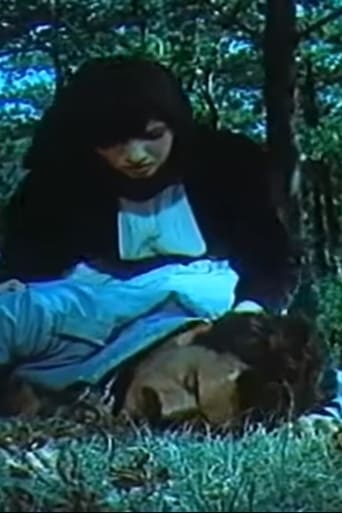
The foreign representatives of the Rubik mine come from Tirana and Italy to suppress the revolt of the indignant miners.
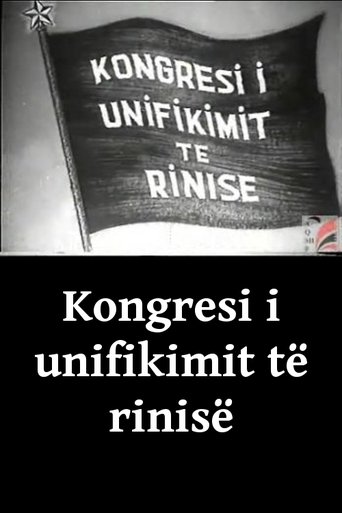
Congress for the unification of youth.
Albanian LGBT community members appear for the first time with their non hidden faces and names and share their personal stories about how the LGBT movement has changed their lives.
