
In Search of Beauty 2023
Three different women talk about their relationship with makeup, its mundaneness, what it reflects, and how it affects them.
Three different women talk about their relationship with makeup, its mundaneness, what it reflects, and how it affects them.
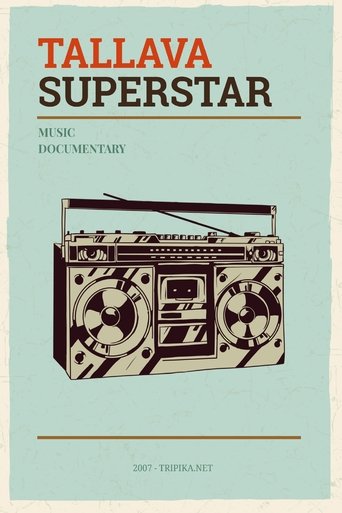
This documentary is a "small study" on social and cultural changes that grew during the time of us growing up. It's a personal perspective of young individuals on music and the phenomena of "tallava" in it. We believe that "tallava" is an adopted form of music implanted in the Balkan folk. We see this as reflection political and social events that took place during the last 15 years, time in which this specific type of music developed. This film would be platform for various thinkers, musicians and "tallava" performers to share their ideas on the short and long term effect of this social/cultural phenomenon. The aim of this documentary is to portray the influence and the causes of this music in the global culture of the region. Also this documentary is a personal journey of a generation to understand in a larger scale what are the consequences advantages of this kind of media representation.

Fran and Verka are the sole inhabitants of Vërnakollë - the place they first met many years ago, got married and have been living ever since. After the 1999 war in Kosovo, everyone but Fran and Verka left the village. Their story is a testament to the unbreakable bonds that tie us to what we call home and to where we belong.
Conceived as a political pamphlet, developed in a rhetorically grotesque vein, the film deals with the activity and the shameful end of the traitor organization of Balli Kombetar during WW2 in Albania.
When it left, death didn't even close our eyes centers on the testimonies of laborers working in Kosovo’s construction industry. They attest to how this precarious and unregulated labor market has serious human costs to those that have to seek its employment. Speaking of how they are expected to work hours—from 12, 13, 15, even up to 24 hours—and in conditions far beyond prescribed regulations or normal human expectations. One of the primary consequences is a high rate of injury, which then precludes future work in the industry—some workers even admit that they would rather face death than lose the ability to earn a living.
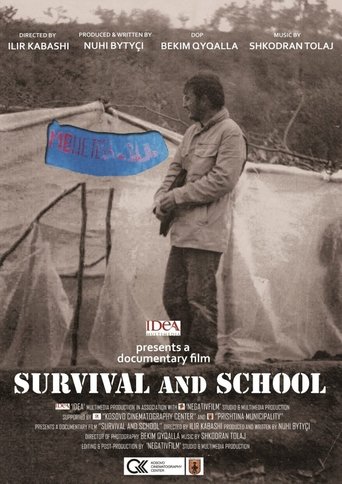
“Survival and School” is a beautiful story about the bad and evil times. An oasis of peace in war time. A nylon school built in the Berisha Mountains (Kosova) that had gathered around 200 pupils of the surrounding villages. The fate of people seen in the twenty-year-old authentic and timely shooting in quite different circumstances reveals the best the bad fate of man.

The married couple Krenar and Blerta are trying to have a child for a long time, but unfortunately it doesn’t happen. Blerta’s husband denies going through the tests of fertility. Not only is their relationship in a crisis, Krenar’s mother, ascertain of Blerta’s incapability of getting pregnant, urges him to find another wife.
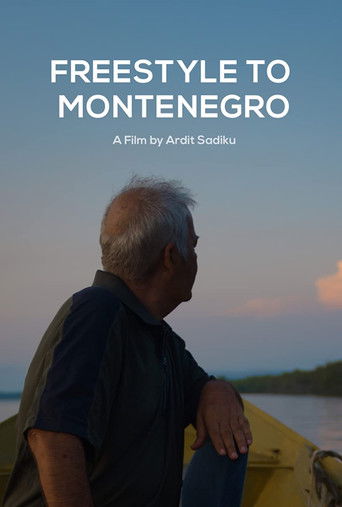
In the summer of 1987, Tonin Gjini swam from Albania to Yugoslavia, in search of freedom. Three decades later, he revisits the locations and recreates the events of that unforgettable experience.
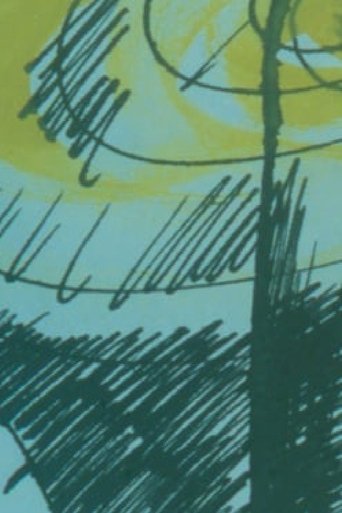
Made during the violent civil unrest that rocked Albania in the 1990s, directors Nova and Faja have handcrafted a searing vision in which a demonic appearance brings chaos to a quiet hamlet.
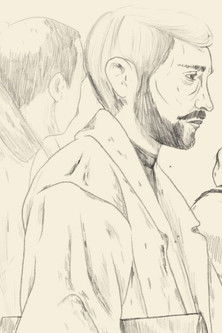
Through stark, intricate animation, Those Who Drown Cling to Foam illustrates the devastating personal account of a family forced to flee their home during the 1999 NATO bombings of Kosovo.
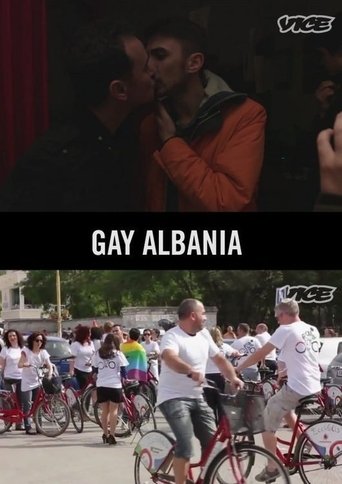
Up until the mid-90s if you were openly gay in Albania, you would be sent to prison. Many homosexuals still face bigotry and violence, even in their own homes. In the last five years, Albania has seen a dynamic LGBTQ movement. Gay activist have created secret guest houses in Tirana that offer shelter to young homosexuals who have been brutally abused. VICE Greece traveled to Albania and recorded rare glimpses into the lives of people who have been victimized and neglected because of their sexual orientation in one of Europe’s most homophobic countries.
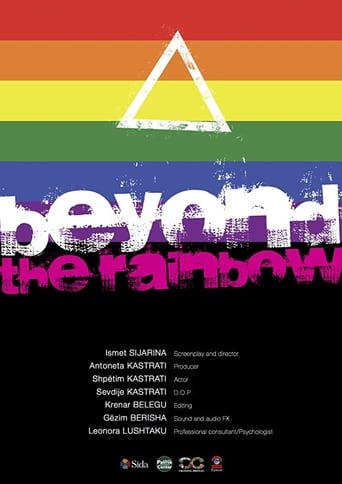
Homosexuality is one of the biggest taboos in Kosovar society. So much that the main characters of this film are hidden in shadows to protect them from the frequent attacks that occur against gays in Kosovo. This film gives the platform for Kosovo’s homosexual community to speak about their experiences and the discrimination against them, while shedding light on the subject through interviews with Kosovo’s religious leaders, psychologists, analysts and other citizens. Will society learn to accept these people as part of Kosovo’s new liberal reality, or must homosexuals remain in the shadows, hiding their true sexual identities in fear?
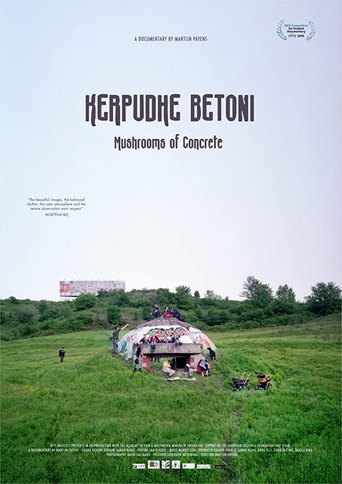
Over 750,000 bunkers were build in Albania for a war that never came. Building them drained vital resources and crippled Albanian industry. Presently, Albanians struggle to put the abandoned hollows to productive, creative use.
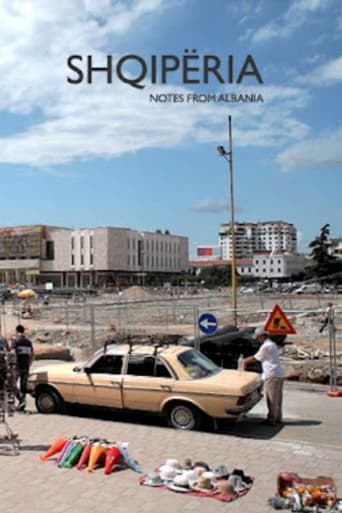
Mad dictators, trigger-happy mobs, archaic blood feuds - this pretty much sums up what Western Europeans know about Albania. But reality in this long forgotten Balkan country is much more complex and multilayered. SHQIPERIA - NOTES FROM ALBANIA offers a flow of stories from and about Albania, displaying the country in its true diversity, unspeculatively illuminating its conflicts and discovering this blank spot on the map of Europe in all its contradictions.
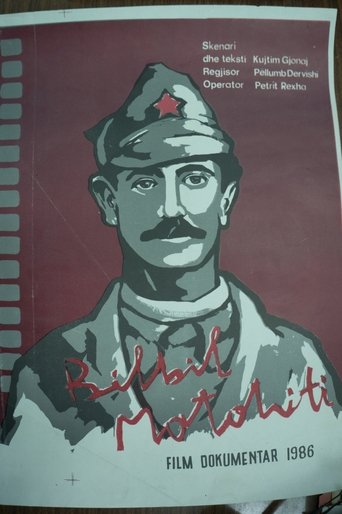
Documentary film from 1986.
Albanian LGBT community members appear for the first time with their non hidden faces and names and share their personal stories about how the LGBT movement has changed their lives.
On the verge of Kosovo’s declaration of independence, MARIA, a teenage girl from a poor family in Northern Albania is sold off as a bride to MILAN, a 50-year-old Serb from a remote village in Kosovo. Maria must decide if she will accept this new life or fight back and choose her own fate.
During their residency in Kosovo, directors Meray Diner and Dafina Daka uncovered harrowing accounts of sexual violence used systematically as a weapon of war. More than physical assault, these acts were aimed at breaking families and silencing generations. Na Thojshin Lutko Moja draws on the testimonies of Kosovar women survivors to explore the hidden emotional aftermath shame, isolation, and the cost of breaking the silence. The film reclaims a collective memory often denied, offering a powerful portrait of resilience.
