
The Patriot 2011
At the beginning of Bosnian war in one village, two Serbian soldiers capture two of their Muslim neighbors and take them to shooting.
At the beginning of Bosnian war in one village, two Serbian soldiers capture two of their Muslim neighbors and take them to shooting.

Documentary about Dubioza Kolektiv.
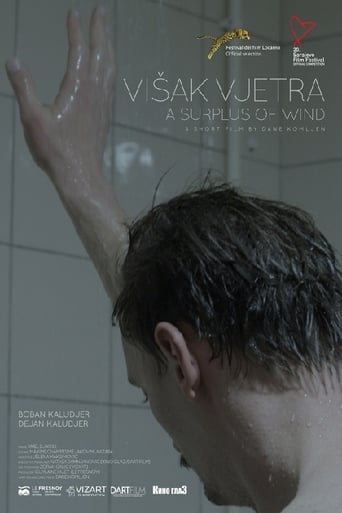
Two men - one in the West, one in the East, brothers. In both places, life is muted, solitary, nondescript. Here, windows are painted, switches rewired and cigarettes smoked; there, lengths swum, boxing matches prepared for, transactions made. What is it that links these things? Winter swimming pools, the sound of a bell, a bullet passing through bone?
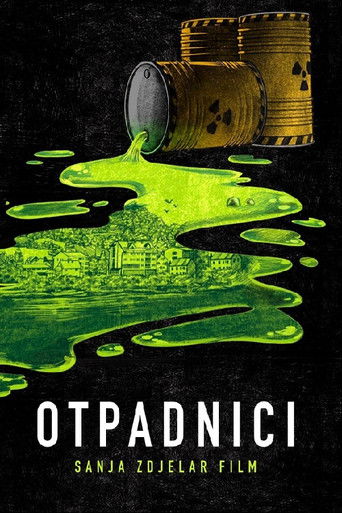
The existence of small Bosnian and Croatian communities is threatened by the impending arrival of a nuclear waste dump.
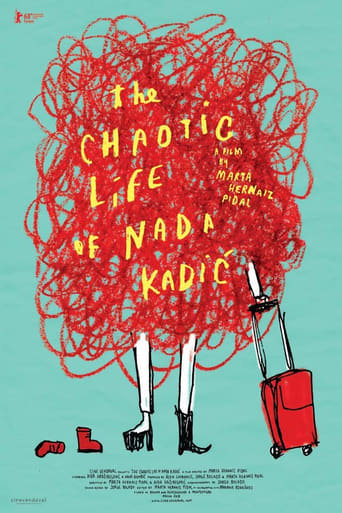
A single mother discovers that her daughter displays signs of autism.
The action of the film follows the artist who, since the girl left him, lost his inspiration.

The story of Džemal Džihanović, the producer of folk music.
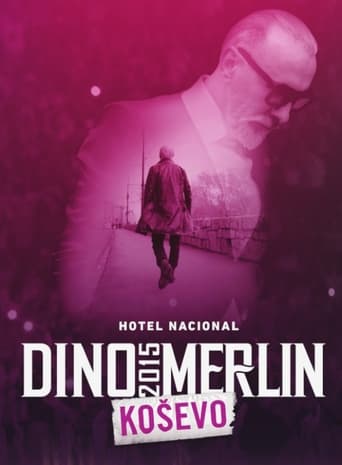
Kosevo July 19 is a DVD by Dino Merlin. It was released in January 2009. It has been recorded on July 19, on his concert in Sarajevo on stadium Kosevo, promoting his tenth studio album Ispočetka.

In Zenica, a giant steel factory belches toxic gasses into the air day and night, making the city one of the world’s most polluted, and people are dying. Samir Lemes and citizen activists from Eko Forum fight an uneven fight for change against the reckless corporation, the local politicians who focus on jobs, investments, and re-elections, and the EU who co-funds the corporation without enforcing laws and international standards. Instead, they name Zenica ‘A Green City Project’, building bicycle lanes in a city where breathing is a health hazard. A film about financial cynicism, political pragmatisk and greenwashing, in which West European countries play a surprisingly big role.
This is a film that shows portraits of three children who lived in Sarajevo during the siege. Through their stories the film tries to give a picture of youngsters who live in the war for three and a half years and their efforts to overcome the trauma. The stories are seemingly separate, but the thread that connects them is a three-year-old boy who on his tricycle constantly wanders the streets of Sarajevo, passing everywhere and always seeing everything. He takes us from one child to another, opening up before us a picture of the bizarre life of children in Sarajevo.

Short documentary about pop rock music scene of Sarajevo, starting from 1960.
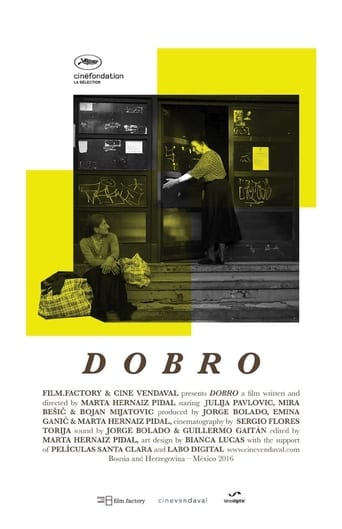
A short film about the endless fight of two woman. A Mexican and Bosnian co-production set in Sarajevo.
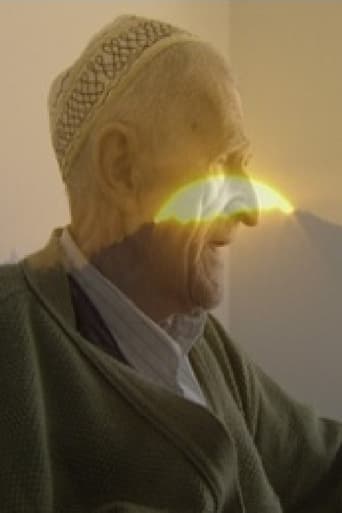
Hamdija Šahinpašić (1914-2003) was one of those rare individuals able to memorize songs in their authentic traditional form. Šahinpašić belonged to a family known for its songs. In the early 1950's, Miodrag A. Vasiljević recorded Šahinpašić singing dozen of songs at the Serbian Academy of Arts and Sciences in Belgrade. A 1967 publication finally included 300 of his songs, published bilingually in Bosnian and Russian. Šahinpašić himself become the focus of attention of numerous ethnomusicologists and folklorists and his repertoire was preserved on recording of good quality.
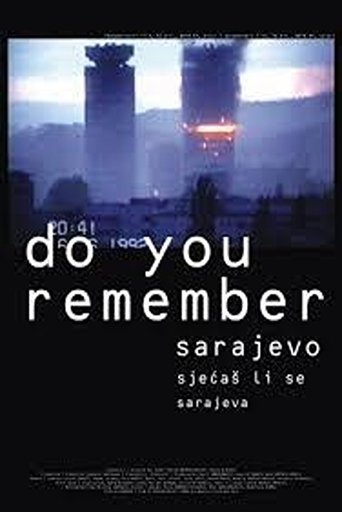
When Bosnian-Serb forces began shelling Sarajevo in 1992, an officer of the Bosnian-Herzegovinian army made an appeal to all inhabitants of the city with video cameras to "start filming, because their material would definitely influence events." Whether prompted by this call or not, many of those who possessed a camera attempted to capture the atmosphere of the besieged city, resulting in this extraordinary film. At once engaging, horrifying and funny, these "home movies" provide a stark testimony of the courageous spirit of a people under siege, trying to live "normal" lives against all odds.

The oldest sister is moving abroad for college, and her younger brother and sister start a battle for her little room. They both want to move out of the big room where they sleep with their parents and finally get some privacy.
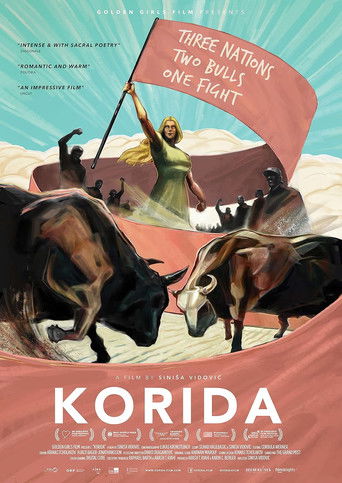

A documentary detailing the lives of the children seen in Nenad Dizdarevic's "An Awkward Age" as well as the conditions within former-Yugoslavia in the 1990s.

The seemingly idyllic region of Ravnice, at the north-western tip of Bosnia and on the EU's external border with Croatia, hides a dangerous past with uncleared war mines. Migrants seeking a better life, are often pushed back across the border from the EU into the surrounding woods, finding themselves lost in the village. Local villagers open the old school building to offer them unofficial, temporary shelter and safety. Despite this ongoing crisis, everyday life continues in Ravnice, marked by daily routines.
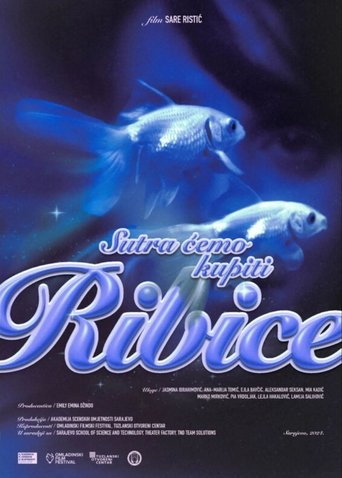
Portraits of two sisters that meet after five years of not speaking due to a turbulent family situation
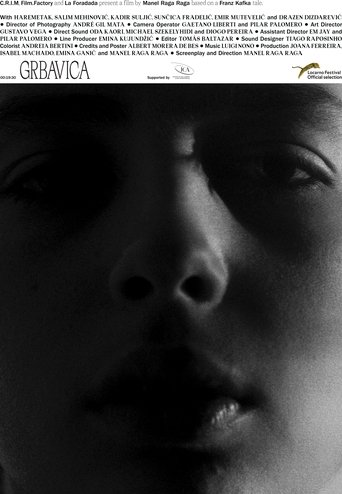
A ball spins around, stuck in the river that goes through the Grbavica neighborhood in Sarajevo.
