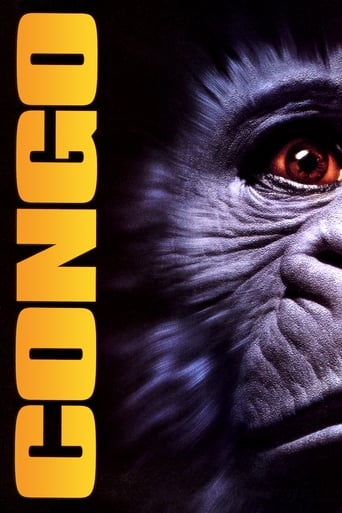
Congo 1995
Eight people embark on an expedition into the Congo, a mysterious expanse of unexplored Africa, where human greed and the laws of nature have gone berserk.
Eight people embark on an expedition into the Congo, a mysterious expanse of unexplored Africa, where human greed and the laws of nature have gone berserk.
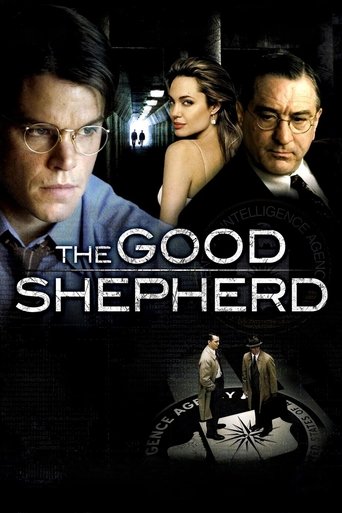
Edward Wilson, the only witness to his father's suicide and member of the Skull and Bones Society while a student at Yale, is a morally upright young man who values honor and discretion, qualities that help him to be recruited for a career in the newly founded OSS. His dedication to his work does not come without a price though, leading him to sacrifice his ideals and eventually his family.
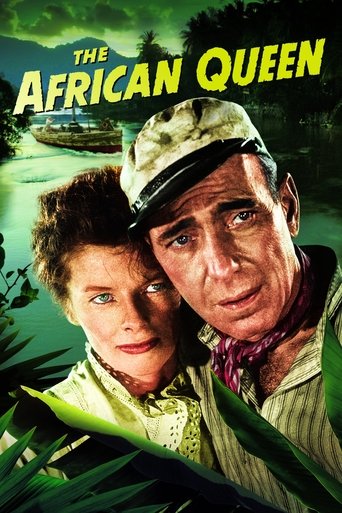
At the start of the First World War, in the middle of Africa’s nowhere, a gin soaked riverboat captain is persuaded by a strong-willed missionary to go down river and face-off a German warship.
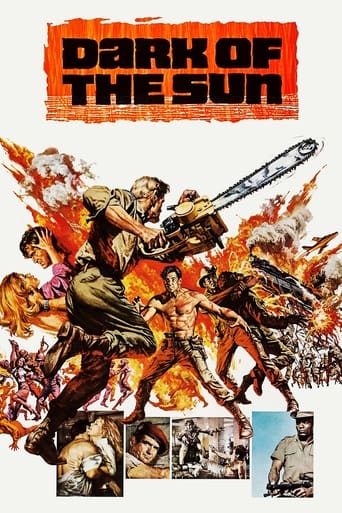
A band of mercenaries led by Captain Curry travel through war-torn Congo across deadly terrain, battling rival armies, to steal $50 million in uncut diamonds. But infighting, sadistic rebels and a time lock jeopardize everything.
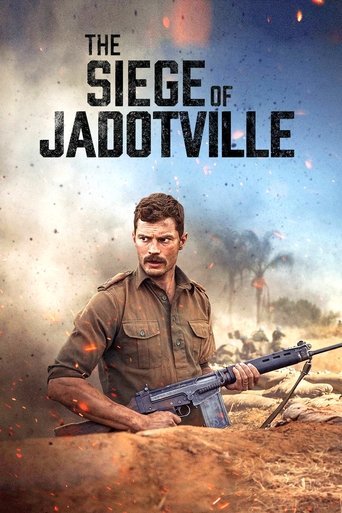
Irish Commandant Pat Quinlan leads a stand off with troops against French and Belgian Mercenaries in the Congo during the early 1960s.
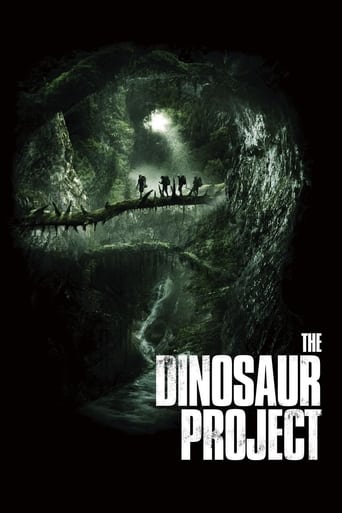
Found footage of an expedition into the Congo jungle where a team of explorers stumbles upon a colony of Dinosaurs.
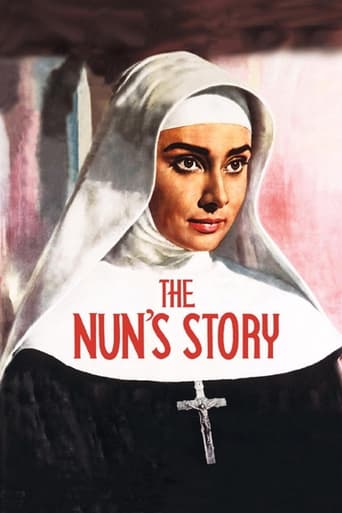
After leaving a wealthy Belgian family to become a nun, Sister Luke struggles with her devotion to her vows during crisis, disappointment, and World War II.
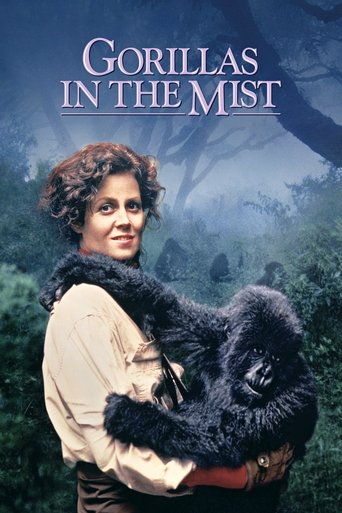
The story of Dian Fossey, a scientist who came to Africa to study the vanishing mountain gorillas, and later fought to protect them.
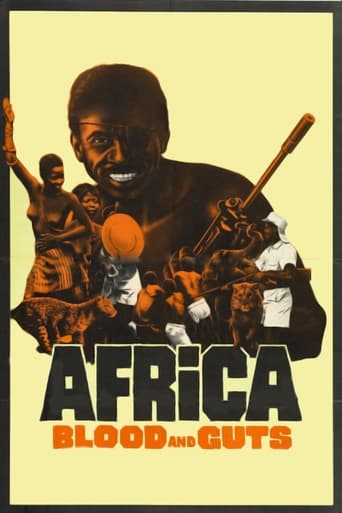
A chronicle of the violence that occurred in much of the African continent throughout the 1960s. As many African countries were transitioning from colonial rule to other forms of government, violent political upheavals were frequent. Revolutions in Zanzibar and Kenya in which thousands were killed are shown, the violence not only political; there is also extensive footage of hunters and poachers slaughtering different types of wild animals.
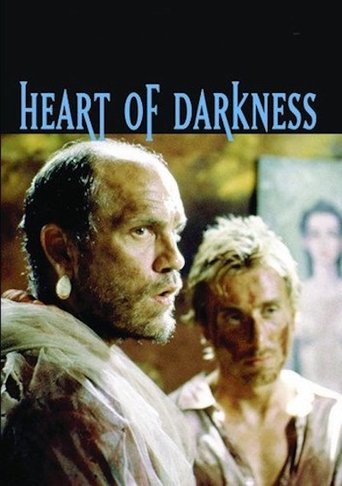
A trading company manager travels up an African river to find a missing outpost head and discovers the depth of evil in humanity's soul.
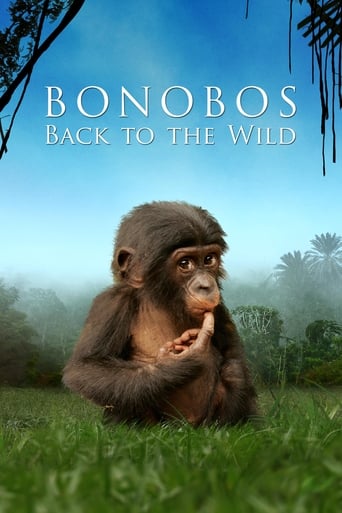
The critically important work by renowned naturalist Claudine Andre to save the endangered bonobo apes of the Congo is presented in this visually stunning feature film.
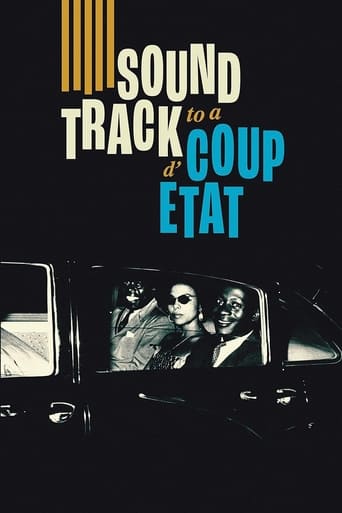
Jazz and decolonization are intertwined in a powerful narrative that recounts one of the tensest episodes of the Cold War.

A 12-year-old Congolese girl is taken to the mfinda, a primordial forest teeming with spirits, gods and ancestors. There she meets up with another young girl from a different time and together they set out to find the magical Nkisi, vessels that hold ancestral spirits as well as empowering materials or medicines, that will help her find her way home.
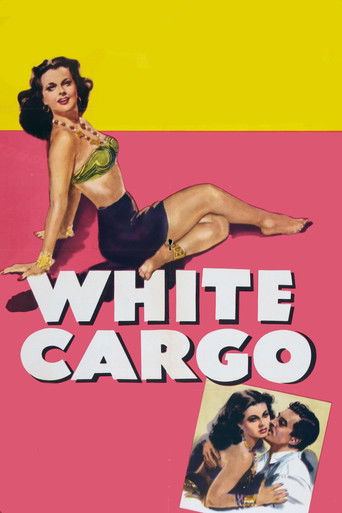
In Africa early in World War II, a British rubber plantation executive reminisces about his arrival in the Congo in 1910. He tells the story of a love-hate triangle involving Harry Witzel, an in-country station superintendent who'd seen it all, Langford, a new manager sent from England for a four-year stint, and Tondelayo, a siren of great beauty who desires silk and baubles. Witzel is gruff and seasoned, certain that Langford won't be able to cut it. Langford responds with determination and anger, attracted to Tondelayo because of her beauty, her wiles, and to get at Witzel. Manipulation, jealousy, revenge, and responsibility play out as alliances within the triangle shift.
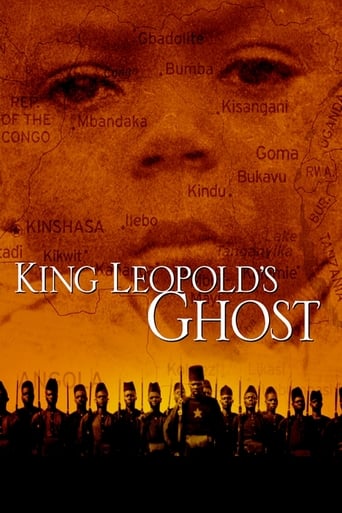
The modern history of the Congo, the heart of Africa, is a terrifying tale of appalling brutality: how the greedy and incredibly ruthless King Leopold II of Belgium (1935-1909) turned a vast country into his private estate (1885-1908) and how he plundered the land and raped the bodies and souls of its defenceless inhabitants, causing countless victims; and what exactly is the true impact of this often forgotten story of crime and horror today.
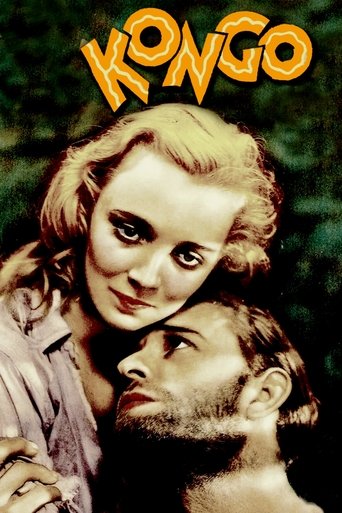
The ruthless Flint, a disabled man, rules an isolated region of Kongo like an omnipotent god, through superstition and sadism, living only for the day when he can get revenge on the man who ruined his life.
Along an overgrown rail track south of the Zairean town Kisangani, a UN expedition together with a handful of journalists discover “lost” refugees. They are eighty thousand Hutus from far away Rwanda, the last survivors of three years of hunger and armed persecution that transpired throughout the vast Congo basin. The Hutu-refugees leave the forest, gathering in two gigantic camps. Hundreds of refugees die every day from diseases and malnutrition The Rwandans are promised repatriation with airplanes out of Kisangani. The film traces those refugees into the heart of the rainforest, and the hopeless attempts to help them.. But only four weeks later, the unprotected UN-camps are again attacked by machine-gun fire, deliberately massacred by factions of the rebel army (AFDL) of today’s Democratic Republic Congo. Eighty thousand men, women and children disappear once again back into the jungle. (jedensvet.cz)

In June 2010, French actress Marion Cotillard spent a week in the heart of the tropical forests of the Democratic Republic of Congo with members of Greenpeace France and Greenpeace Africa. She delivers in video a strong testimony on the looting of Congolese forests which benefits a few industrial groups, often European.
Based on Joseph Conrad's novel, Marlow captains a leaky steamboat up the River Congo in search of a mysterious figure named Kurtz who has carved out a brutal kingdom in which he has power of life and death over his native subjects.
A woman's search to uncover the mystery of the disappearance of her husband leads her to the Congo, where she's forced to seek the truth about what happened to the man she loved.
Hybrid docuseries offering an expansive exploration of the exploitative and genocidal aspects of European colonialism, from America to Africa, and its impact on society today.
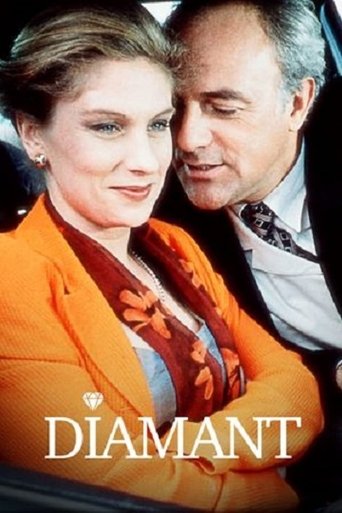
In this filmed version of Flemish author Jef Gheeraerts' novel, Robert 'Robbe' Parain, an arrogant Antwerp police detective who operates at the limits of illegality and is in personal debt, tenaciously traces but also gets personally entangled in the dark, ruthless, criminal sides of the publicly so glamorous trade in diamonds, notably in his native Antwerp, Hong Kong, Brussels and Congo.
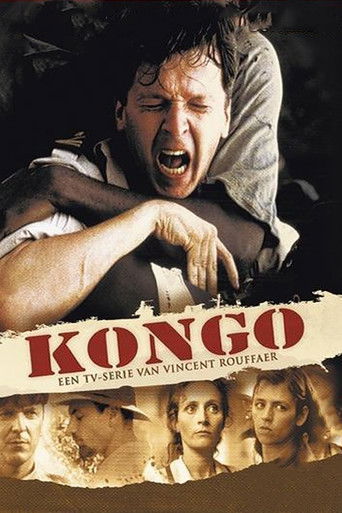
Guy Moeyaert is a well-meaning colonial official in a jungle district of the Belgian Congo in the last years of white colonial rule, after the Second World War, a paternalistic system where the state, unable to be properly present all over the vast, sparsely populated country, collaborates systematically with the Roman Catholic missions -in his post, father Alexis- and private enterprise, in case mainly the mining company -locally represented by engineer Lenaers- which also helps out with money and labor for such public tasks as road building. Even his grip on the natives is weak, as they live under hereditary tribal leaders, which must take from its people what they are legally obliged to deliver to the state in taxes and labor; coercion is done by force, including whipping on the bare buttocks, which Guy hates. Guy also starts a love affair with Hélène Vermarcke, who gets estranged from her husband Luk (the three were already friends in Belgium) as he devotes all his efforts the their plantation, leaving her alone with the native staff and their son, or is it Guy's? The adultery makes his position in the white community far weaker then is compatible with his position of theoretical authority without sufficient independent means. He also depends heavily on his educated black clerk Gabriel Ndazaru and ambitious white deputy Arthur. It all gets worse for everybody as the call for 'dipenda', black independence as in Ghana, gets stronger, in time even accepted 'in principle' by the Belgian government which plans a gradual transition which the idealist Guy supports but all other whites oppose, while the natives have neither patience nor insight and start attacking every symbol of the old regime, regardless of its objective value, and soon white people and 'collaborators' too- it gets physically dangerous, but Guy won't budge or flee...
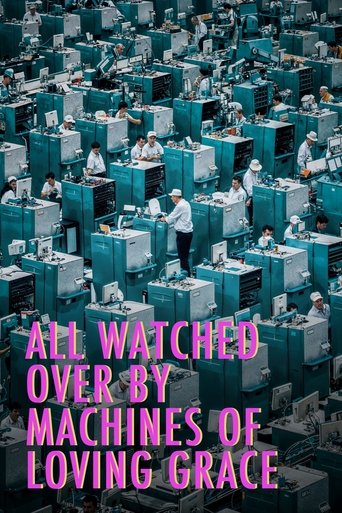
We have been colonised by the machines we have built. Although we don't realise it, the way we see everything in the world today is through the eyes of the computers.
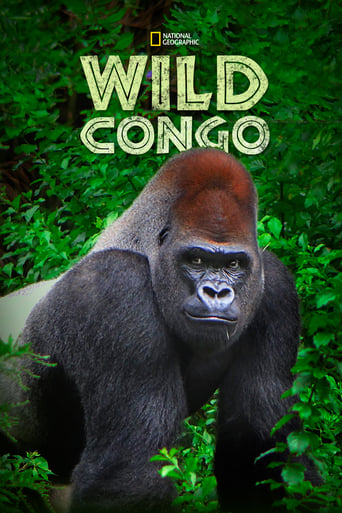
The Congo: more powerful and dangerous than any other river, yet a sanctuary and home for some of the most wonderful creatures on our Earth.
On his toughest journeys yet, Simon Reeve travels through some of the most remote landscapes on Earth in search of the people and the wildlife of the planet’s greatest wildernesses.
A look into the Belgian colonisation of Congo through interviews of both colonials as Congolese people that lived it.
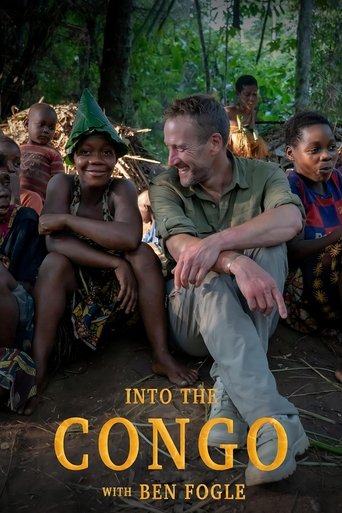
Exploring the remote rainforests of the Congo and meeting the tribes that live there. Ben Fogle experiences the vibrant culture that makes the country the 'beating heart of Africa'. Ben arrives in the capital Brazzaville where he prepares for a two-day journey into the wilderness to visit one of the longest-surviving cultures in the world, the Mbendjele BaYaka tribe living deep in the jungle in traditional huts made from leaves
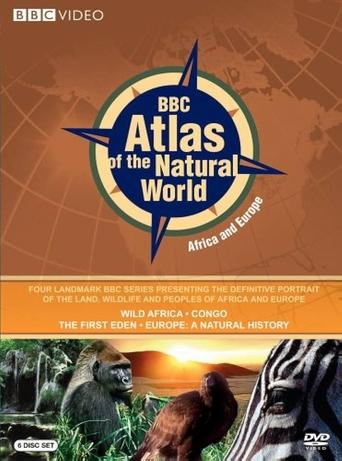
Congo is a 2001 BBC nature documentary series for television on the natural history of the Congo River of Central Africa. In three episodes, the series explores the variety of animals and habitats that are to be found along the river’s 4,700 km reach. Congo was produced for the BBC Natural History Unit and the Discovery Channel by Scorer Associates. The series writer/producer was Brian Leith and the executive producer was Neil Nightingale. Series consultants were Michael Fay, Kate Abernethy, Jonathan Kingdon and Lee White. Little filming was possible in the Democratic Republic of the Congo which encompasses the vast majority of the river's watershed. The reason for this is that the Second Congo War was underway during filming. The series forms part of the Natural History Unit's Continents strand and was preceded by Andes to Amazon in 2000 and Wild Africa later that year in 2001.
