The Circle of Memory 1987
Margarita Begolli, the portagonist of the film, returns to Albania after 25 years with her memory lost.
Margarita Begolli, the portagonist of the film, returns to Albania after 25 years with her memory lost.
During World War II, an Italian agent tries to infiltrate the Albanian guerrilla units under the identity of 'engineer Tosti'.
Leta has not been able to pay the rent for several months. When she and her one-year-old son are thrown out of their apartment, they move in with Sophie, an old woman confined to bed, whose daughter has just employed Leta as a caretaker. In order to keep her job and a roof over their head, Leta has to keep Sophie alive at any cost.
An old man refuses to undergo an operation in the hospital because he does not trust the abilities of the female surgeon.
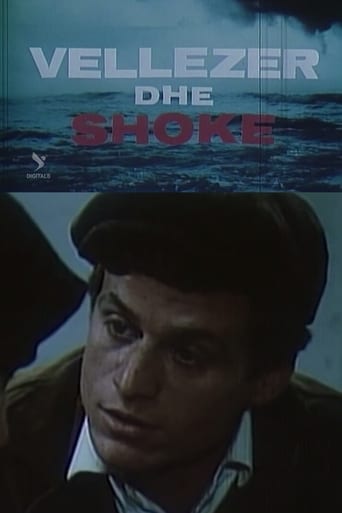
The year is 1941, World War II is going on. Vaso returns to his village, helping the revolt of the villagers against the enemy. Marko, his brother, wants to get revenge against the people who took his fiancée. This revenge becomes part of the overall revolt.
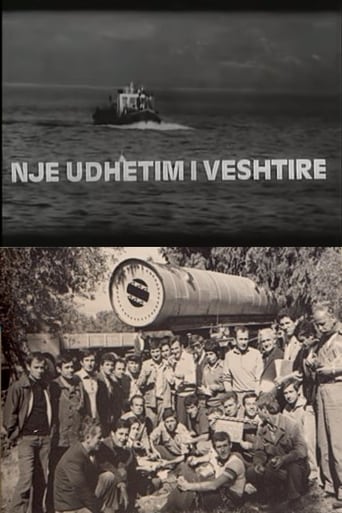
Miti, an old worker, and Sokol, a young driver, undertake a long journey to transport a huge metallic tower from the Durrës harbor to an important plant.
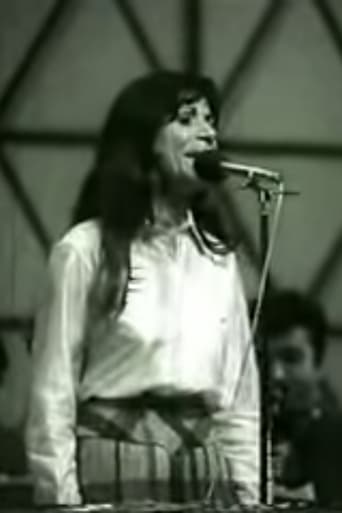
No one knows why for certain, but from 1968 to 1973 communist Albania enjoyed a brief liberalisation in the arts. Banned books and Beatles records changed hands. Albania’s Nobel-nominated novelist Ismail Kadare wrote two of his most famed masterpieces, Kështjella (The Castle) (1970) and Kronikë në gur (Chronicle in Stone) (1971) during this period. The rock'n'roll and jazz arrangements featured in this concert documentary were the pretext that brought about the end to the artistic thaw. Several performers seen in the festival were sent to prison or internal exile. The portly, smiling music conductor, Gasper Çurçia, was later accused of forging bus tickets and executed.
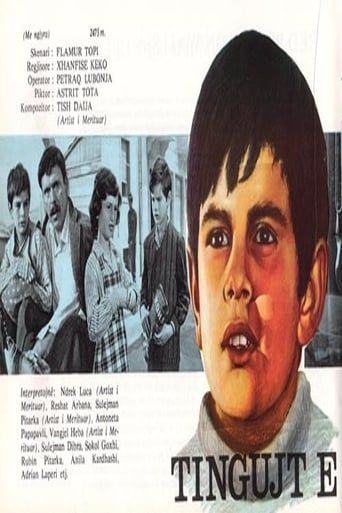
Bardhi, an orphan boy, goes to the city to work in the house of a rich man, where he learns how to play the violin.
Vullnet, raised in an orphanage, has finished the military service and must solve some problems in his life.

In a traditional village in Kosova, a year after the war (2000) when people are rebuilding their lives, the female school teacher Lushe is driven by her inner conscience to give an interview to an international journalist, telling her that she and three other women from the village were raped by Serbian forces. A critical view of a society which survived the war, won its independence but still struggles with human equality. An insightful portrait of a Balkan village, of a patriarchal microcosm, and of its mayor who desperately wants to control the village life. Of husbands who feel forced to behave strong, but act against their own emotional interest. A reflection of rituals which not only show gender inequality, but also the absence of freedom of expression within the male community.
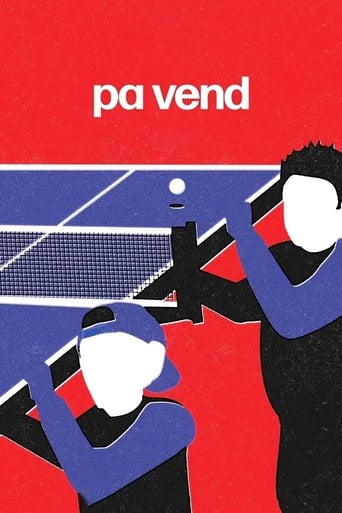
After Kosovo's independence the first internationally recognized sports federation was the one of Table Tennis. Two local Ping-Pong enthusiasts see this as a great opportunity and start self-financing the training sessions for young players.
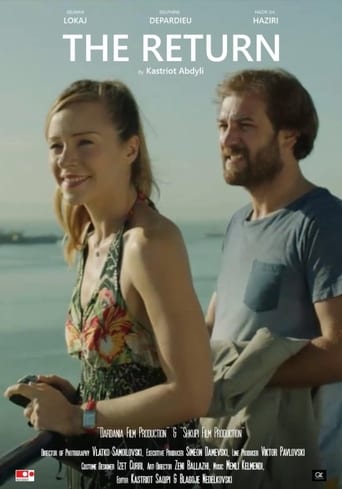
A young Albanian immigrant and his French fiance decide to pay a surprise visit to his native village. Their surprise turns sour when his family learns the true reasons behind their son's return.
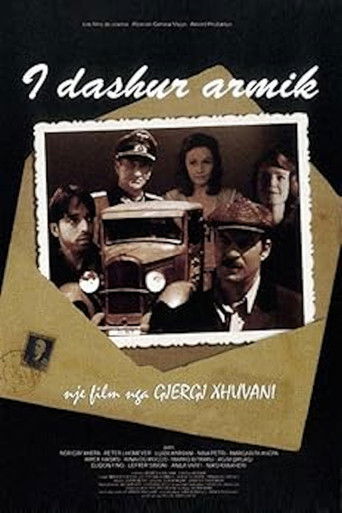
Dear Enemy tells the true story of the director’s grandfather who became friends with a German officer during the WWII German occupation of Albania while hiding a partisan, an Italian soldier and a Jewish watchmaker in his cellar.

A hybrid experimental documentary that explores the act of observation as both process and philosophy. The film unfolds through five interlinked "dimensions": language, image, space, time, and feeling.
Fusing documentary and fiction, the film depicts the lives of children trying to survive the aftermath of war in Kosovo by selling cigarettes on the street. Through monologues performed by the children against the eerie backdrops of Pristina, the film tells their gripping and sad story of memory, loss and fear.
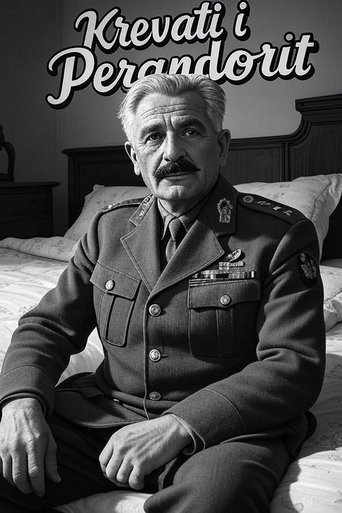
In the first day of liberation, partisan Meke enters the palace where the king used to live.
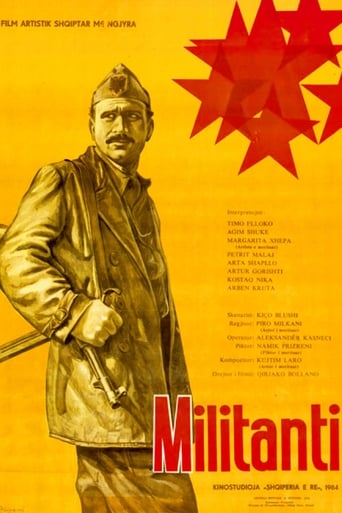
A film about the life of militant Vasil Shanto.
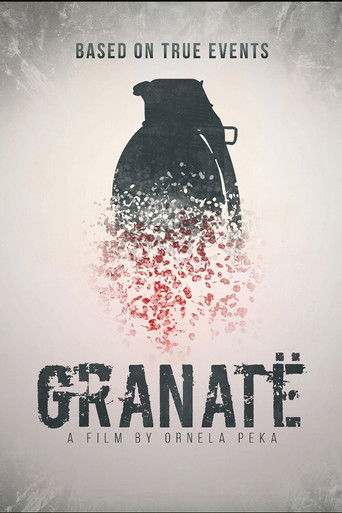
In northern Albania, two innocent children experience the effects of warfare, and meanwhile in London a successful architect shares his story and the influences for his new project which shelters thousands of Syrian refugees in the UK.
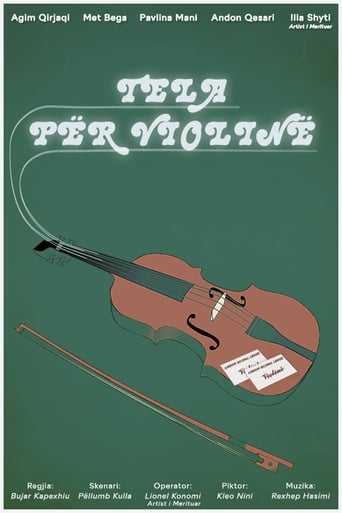
Andon, a young violinist, is seriously studying for the admission competition at the Academy of Fine Arts. Cosmai, the father, thinks his son cannot win the competition without a bit of external help. He mobilizes all his friends and relatives so that his son can be sure to win. Muco, the chairman of the commission, is incapable of judging clearly and bored from all the interventions pours the anger on the young talented violinist.
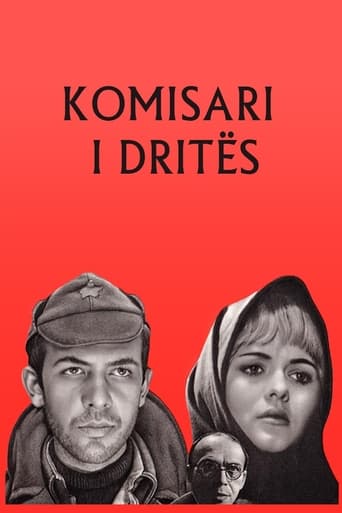
After World War II, more than 85% of the Albanian people were illiterate. Partisan soldier Dritan Shkaba is tasked with opening new schools in north Albania to enlighten the population.

