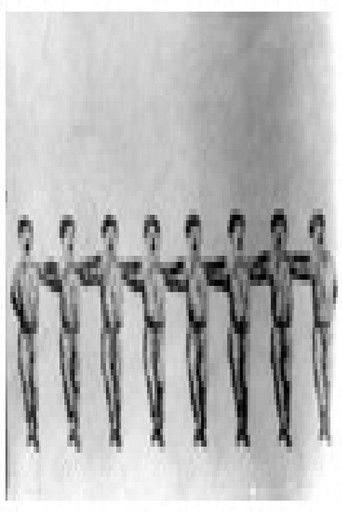
The Hard(est) 1988
A satirical depiction of the national dance "Teškoto" in which the syndrome of mutual human destruction is inserted.
A satirical depiction of the national dance "Teškoto" in which the syndrome of mutual human destruction is inserted.
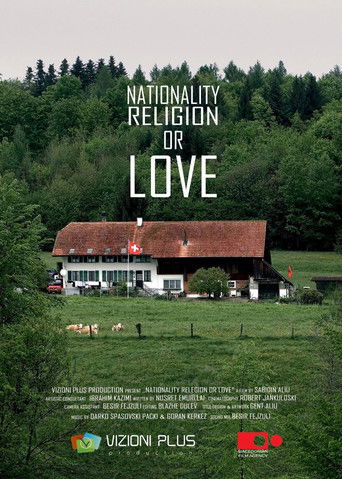
The film features three couples from different faiths and nationalities. But what stands out as unique is the conveying of the idea that in this globalized world, no one should or should feel special or superior to another.
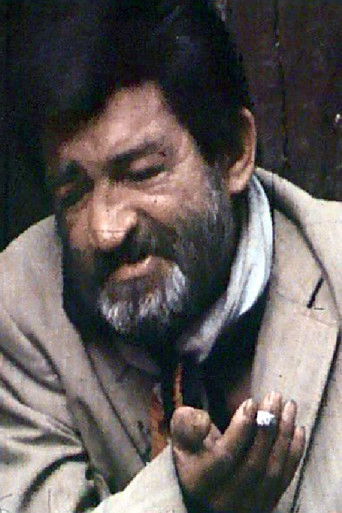
A film dedicated to the homeless man Pishta. He has no home, no family, only the ground under his feet and the sky above his head. He is also called the "emigrant of the soul."
Facade is Marković's first film after a ten-year break. The theme is political as a result of the refusal to accept a political idea to impose itself as something unified to which everyone must submit. According to the author, any unification of the world is defeatist, it is precisely the differences that make life beautiful.

Two opposing sides, represented by two machines connected by a rope, composed of countless gears, are constantly being pulled, tightened, etc. From too much tension, a breakdown occurs. Both machines fall apart. After a while, the broken gears begin to function: these are gears whose teeth are actually people sitting around a round table.
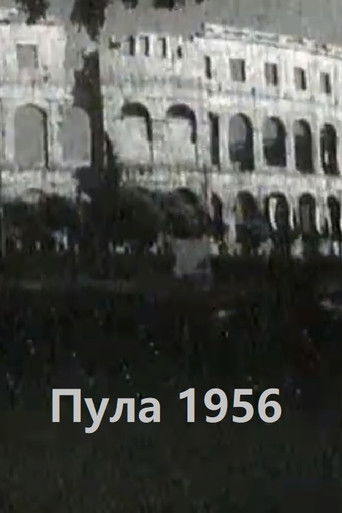
An overview of the Yugoslav Feature Film Festival in Pula 1956 as well as meetings with filmmakers.
A collage of archival materials from President Tito's stays in Macedonia from the liberation until 1962. The film uses archival materials from Vardar Film by the following authors: Trajče Popov, Branko Gapo, Dimitrie Osmanli, Ljube Petkovski, Branko Mihajlovski, Mišo Samoilovski and Kiro Bilbilovski.
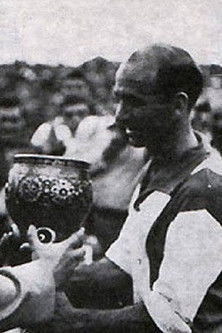
A depiction of the 1961 ‘Marshal Tito Cup’ football match, which was played in Belgrade between the Skopje club Vardar and Varteks from Varaždin.

A mid-length feature film.
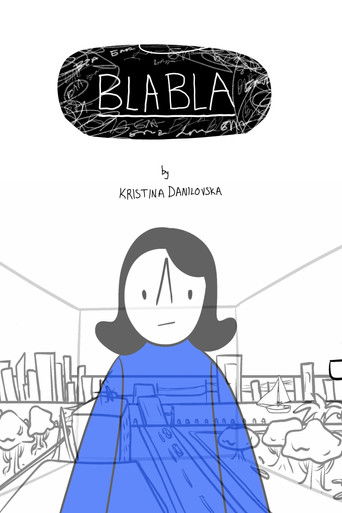
A girl spaces out during a conversation with her coworker, leading to an overblown misunderstanding.
A film dedicated to life in Mariovo, one of the most passive areas of Macedonia, not only due to the scarcity of natural opportunities for existence but also due to the isolation of this area.
The documentary illustrates the most exciting stages of the 14th Canoe and Kayak World Championships held in 1975 on rivers Radika and Treska in Macedonia. The sports event, passionate in its phases, constitutes a contribution of friendship between people.

A short film with archival footage of the most beautiful moments in Bojan Petrovski's life, his childhood.
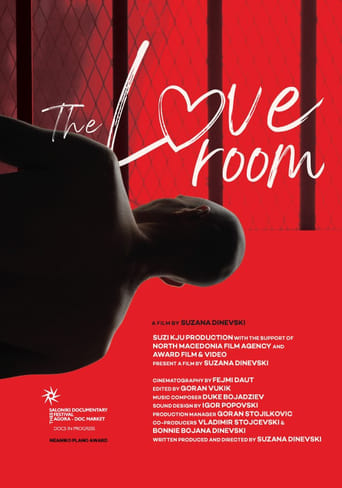
A portrait of two families by way of the intimate world of conjugal visits at Idrizovo, North Macedonia’s most notorious prison, and the effect it has on them and the world around them.

Human obsession with television is presented through 17 different situations and the same number of shots.
A documentary film that tells the story of the ancient city of Ohrid and the locality of Plaošnik through a virtual journey.

The film "Macedonians in Istanbul" is a film about the citizens of Istanbul, who are the fifth generation born in this city. As foreign workers, their ancestors from Macedonia moved to Istanbul in the 19th or early 20th century. Orthodox by religion, they celebrate their holidays in several sacred buildings that are still used in this city for that purpose. The members of this colony, mainly from the Aegean part of Macedonia, belong to a small community of rare, real, long-term citizens of the former metropolis of the Ottoman Empire, the great city of Istanbul.
Macedonian TV drama.
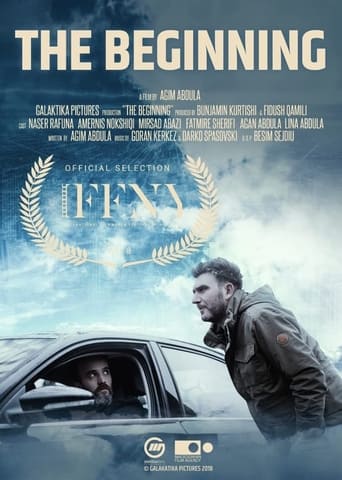
The world is full of lies and deception. People doubt in everything; everything seems suspicious to them. They even doubt in their own existence. They are not sure whether what they see is real or imaginary, while the reality is completely different. Insecurity prevails. Is death the end or the beginning? That’s the question.
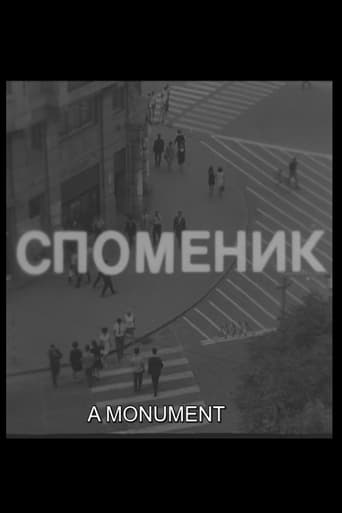
A story about a man who appropriates other people's knowledge and achievements and erects a monument to himself in whose justification and necessity he believes.
