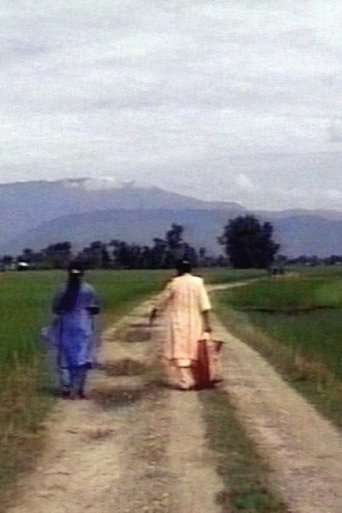
A Little Bit of Freedom 1998
This film is set in a traditional household in Nepal and documents a servant girl, Nani; a married woman, Sarita; and a mother-in-law, Ama. In interesting mixture of entrapment, duty and tradition unfold.
This film is set in a traditional household in Nepal and documents a servant girl, Nani; a married woman, Sarita; and a mother-in-law, Ama. In interesting mixture of entrapment, duty and tradition unfold.
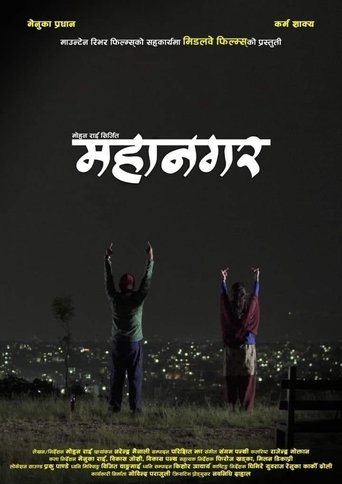
A GIRL, 26-together with a BOY, 33, who is a stranger to her-- take an injured man to a hospital when an accident take places near them one evening in Kathmandu. The girl, a failed poet, is lost and depressed. She doesn't respond to the boy's friendly gestures. She is returning to her village in the morning after years of struggle in the city. The boy, a tour guide from India, is on a trip to Kathmandu, and is also returning in the morning. They leave the hospital after the injured man's relatives arrive, and part. But they meet again unexpectedly when the girl has to leave her friend's place where she went to stay. With no place to stay, and only some hours left, they begin to wander around. And as they roam around the streets and alleys of the city, by the time morning comes, the girl realizes that she had become a different person.
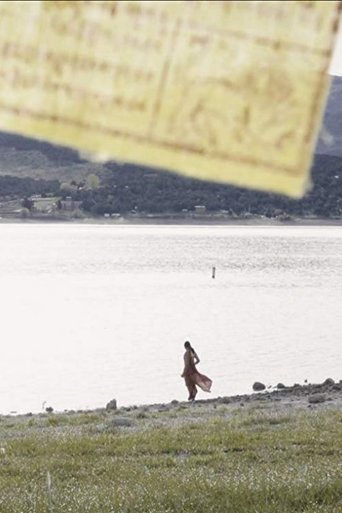
Inspired by the Women of Nepal

Though a legal recognition of a third gender ranks Nepal as a leader in transgender rights, the reality of transforming from son to daughter is fraught with obstacles. Despite this, Meghna Lama has a dauntless attitude and spirited laugh - both a powerful reminder of not only what it is to be transgender in Nepal, but ultimately, what it is to be human.

An elderly fisherman, meditating on past memories and rituals at the end of his life, is visited by a young, familar-faced boy who just wants to play.
This is the story of 28-year-old Ram, who migrates to work in a Nepali restaurant in northern Japan. The film explores his daily life in Japan and that of his family back home, reflecting on the socio-cultural challenges created by globalisation. Having escaped his home village, for 12 years Ram worked at restaurants in Kathmandu, but his family’s poverty remained constant.
Dimag Ghochne Manche is a powerful documentary chronicling the life and legacy of Ujwal Thapa — a visionary entrepreneur, activist, and political reformer who sparked a civic awakening in Nepal. Through intimate stories and rare archival footage, the film captures how one man’s restless mind challenged conventions, inspired a generation, and redefined what it means to create change from within.
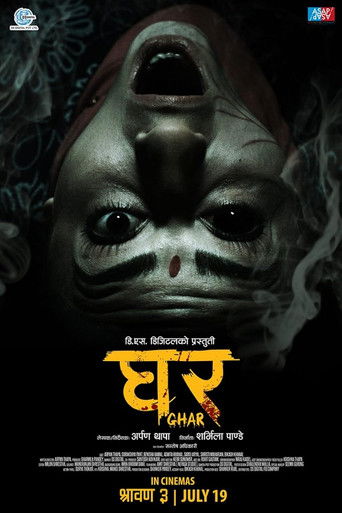
Ghar (Nepali: घर; transl. House) is a 2019 Nepali horror film written and directed by Arpan Thapa under the banner of DS Digital in association with ASAP Entertainment.
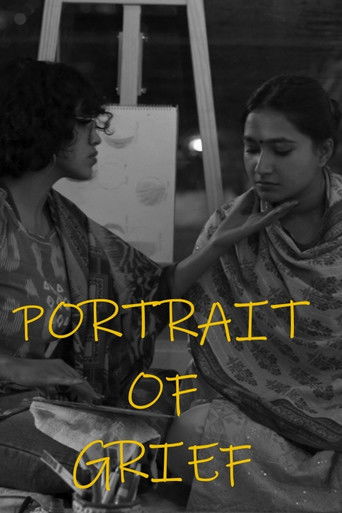
A small excerpt from the scenes of a complicated relationship between a mother and her daughter.
The untold story of 21-year-old Chhesang, who is navigating gender dysphoria and holding onto the hope of full acceptance.
“The Korean Dream” is about a migrant worker who sacrificed 18 years of his life in struggle to fulfill his influence in the Korean society. Likewise, the dreams of many migrant workers have ended with disappointments, the dream of main character. Therefore it’s an attempt to show how human rights have been dominated and exploited under the name of government. Furthermore, it’s about broken dreams of those migrant workers that were forced to be in exile or under detention.
Kalu Yadav is gangster who works under Criminal Businesses man Raja . Kalu bails out his friend Vicky from prison and they both decide to work together.
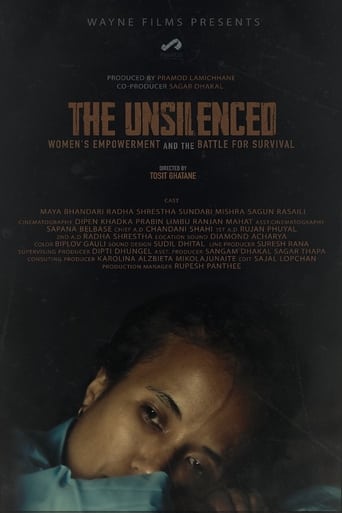
In the heart of Nepal, four women defy odds and challenge societal norms in their pursuit of empowerment and fulfillment. Radha, driven by a passion for acting, faces the harsh realities of domestic servitude after a childhood marriage, sacrificing her dreams for survival. Maya's quest for a better life leads her to Kuwait, where she becomes ensnared in the horrors of human trafficking but ultimately escapes to rebuild her life through entrepreneurship back home. Sundari, despite being a specially- abled dwarf, rises as a priestess in a male-dominated role, overcoming discrimination with unwavering resilience and devotion. Sukun, discriminated against for her low caste, perseveres amidst Nepal's majestic mountains, crafting handmade products to support her family and defy societal constraints. Each woman's story exemplifies the power of determination, resilience, and the refusal to be defined by circumstance, inspiring women everywhere to pursue their dreams against all odds.
Bholanath (84 year old) is counting his last days. He has come to live in the city with his grandson and daughter in law. He shares a room with his grandson. Boredom on deathbed makes Bholanath reminisce about various parts of his life. He gets delusional and gets haunted by daydreams, old age and impending death to reevaluate his life. Grandson seems devoted in the service of his invalid grandfather, but time to time he gets irritated by the uncivilized and old aged behavior of his grandfather. The impending and intolerable pain of death bed of his grandpa compels him to question his own existence.
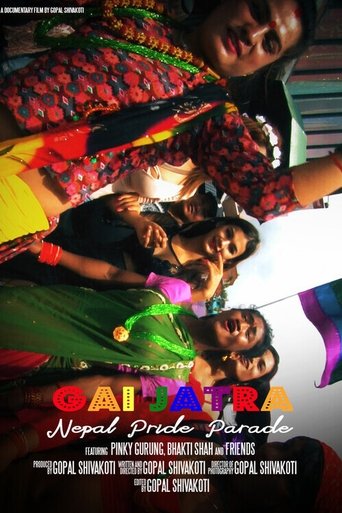
Traditionally, Gai Jatra is literally translated as procession of cows and is an age-old festival commemorating the death of loved ones. Since 2001, LGBTI people in Nepal have been using Gai Jatra festival as a medium to appear in the public, flaunt their true selves with pride, and pay tribute to the deceased members of their community.
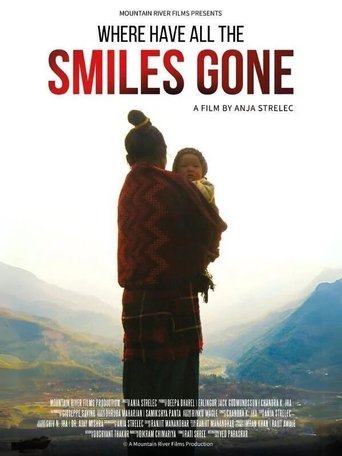
In search of a better life, Nepalese emigrate en masse, sacrificing their rights and health for remittances. Should they continue searching abroad or stay at home, trapped in misery? Tragedy poses the difficult choice between hope and reality.
'Paaso' is the story of two best friends, Saru and Pramila, who get abducted by a kidnapping group. The film showcases the ruthless struggle for survival.

Story of two guys with a mystical twist

Story about a Baba who mastered middle class problem. A question that changed his life.
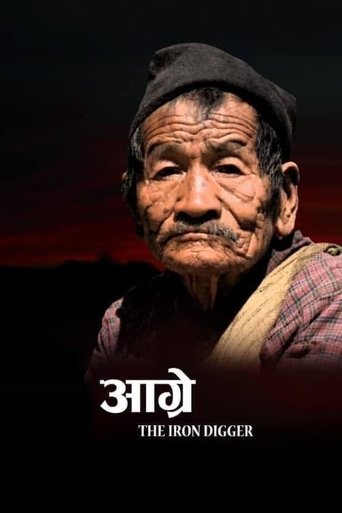
The Iron Digger is the story of a Jelbang village in Rolpa district. Jelbang was considered a commercial centre of mountain iron around 2046 BS. However, now the iron mine is closed. After the Nepal government closed the mines, the family of 84-year-old Raj Bahadur Budha Magar, who had been working in iron mines since the age of 10, became unemployed and some disappeared abroad in search of employment, while others were killed in civil war. The film shows the impact on the lives of villagers like Raj Bahadur Budha’s family after the closure of Jelbang’s iron ore mine.
