
Voice of Middle Class 2017
Story about a Baba who mastered middle class problem. A question that changed his life.
Story about a Baba who mastered middle class problem. A question that changed his life.
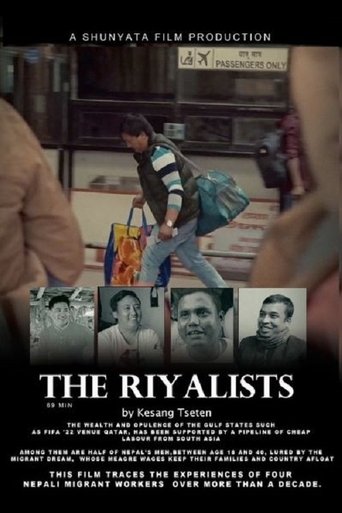
The wealth and opulence of the Gulf States in the Middle East were built on the labor of cheap labor from foreign countries. In 2009, four young Nepali men left their villages for the Arab Gulf, their stories, like those of a few million that keep the country afloat, often disillusioning and, as often, empowering, captured in the film In Search of the Riyal. The Riyalists trace the trajectories of the four men since then and over 12 years, a chronicle of Nepali labor migration, illuminating the experiences for up to 3 million Nepali working Qatar (2022 FIFA venue), UAE and other Gulf States the last few decades.

This is not the official description but This film appears to have been lost to time, with no one recalling its details, and its poster is seemingly absent from any archives.
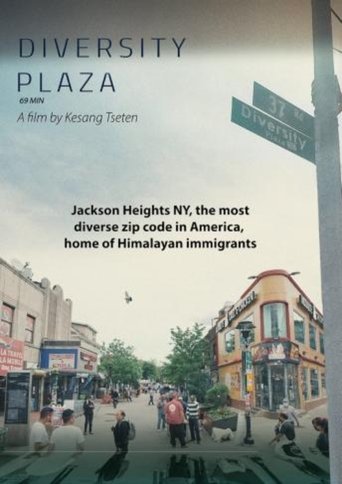
Drawing inspiration from Frederick Wiseman’s classic aesthetic, Nepalese filmmaker Kesang Tseten spends a year observing the community and culture of Himalayan immigrants in and around the Jackson Heights neighborhood of Queens. During the buildup to the 2020 U.S. Census, the inhabitants reveal their motivation to have their presence recorded, encouraged by visits from their political representatives, including Alexandria Ocasio-Cortez. In carefully captured verite footage, we see a rich portrait of people deeply connected to homeland traditions while adjusting to life in exile.
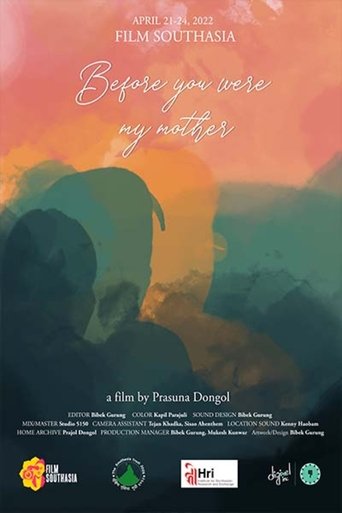
Ibemhal, 59, left her home in Manipur and moved to Nepal after her marriage. She now lives in New York. Her life has been dedicated to raising her two daughters while trying to find her own identity in new places. Ibemhal’s eldest daughter, 30-year-old Prasuna, longs to understand her mother, the person. Who is Ibemhal beyond her identity as a mother and a wife? What was her life like in Manipur? Their bond has been shaped by the conflict-ridden socio-political environment in which Prasuna was raised, Nepali society’s patriarchal expectations, and years of living apart. When Ibemhal returns to Nepal to visit Prasuna in 2020, they take a trip to Manipur to visit Ibemhal’s mother.
old aged couple faces existential crisis and hopelessness.
Director Sahara Sharma took inspiration from a poem written by a man about women, and reworked it, giving women the agency they deserve. The film is about the rules that women have to abide by in Nepali patriarchal society, but Sahara doesn't have a single man in the film.
The Story might be fiction but the place, incident, time and circumstances are very close to reality. The Native People who were have been living in harmony and peace in various places of Nepal since the ancient period. These native peoples are being enticed and displaced away from their native land by some groups with strategic planning. The story has tried to depict partial examples of such places. And we are very sorry for any inconvenience caused by it.

This documentary explores the upbringing of transgender model Anjali, in a small village in the hilly district of Nuwakot, a district neighboring capital city Kathmandu, the discrimination she faced, the struggle she did after coming to Kathmandu and also about her dreams and hopes about the future.

After getting married to a stranger, a newly-wed woman feels uncomfortable in her new home. Instead of seeking comfort with her husband, she is attracted to her sister-in-law.
Inspired by the Women of Nepal
