
He Who Laughs Last... 1986
Monk, the manager of a hotel in Cocos Island, throws bottles into the sea containing a fake treasure map of the island in an attempt to attract tourists.
Monk, the manager of a hotel in Cocos Island, throws bottles into the sea containing a fake treasure map of the island in an attempt to attract tourists.

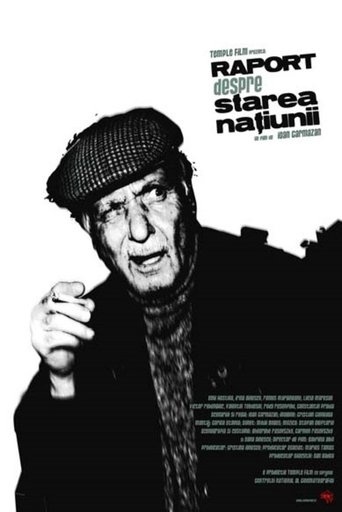
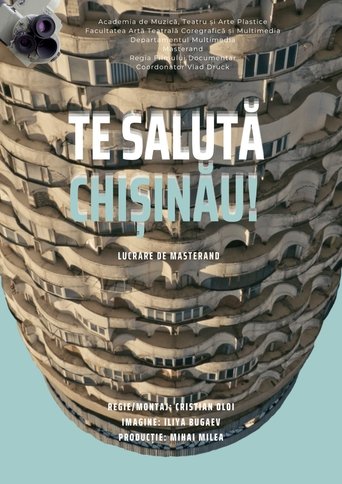
It explores life in Romania under communist rule of Nicolae Ceaușescu, showing how an idealized vision of equality and progress was enforced through propaganda, fear, and strict control. Voices from those who lived through the era recall childhood indoctrination, shortages, and constant surveillance, revealing the gap between the promised “utopia” and the harsh reality of repression and deprivation.

Companion short film for Erika Isac's album of the same name.
Like Márta Mészáros, Florica Holban experienced losing her parents and institutionalization first-hand as a young child, which later triggered her long-term interest in the lives of the children growing up in state care. Holban’s Who Is to Blame? has something else in common with Mészáros’s Let All the Children Smile: they both include sequences filmed at the same orphanage in Bucharest (Orphanage No. 6)—Mészáros in the mid-50s, Holban a decade later. The two films also share a certain discretion regarding the role of the State, which assumed parental responsibility for children abandoned or separated from their parents. Here, both directors allow, albeit only briefly, the lonely and deprived children to appear as individuals with their own histories and traumas. Unlike Mészáros, however, Holban approaches her topic through a judicial lens: numerous sequences from her film were shot at the Tribunal, and the film credits a prosecutor as a consultant.

The story of how the boy Gugutse decided to help the rural postman.
Let’s work, but how? reproachfully asks one of the workers from the Station for the Mechanization of Agriculture (SMA) in Țăndărei, where filmmaker T. Barta was sent to document the lives of an agricultural brigade. Commissioned by the Ministry of Culture, the film was intended for screening in cinemas. Eight days had been allocated for the full shoot, without prior recce. On the first day, the filmmaker gathered the men round a fire—without having informed the local mayor, the Party Secretary or the head of the SMA, as was customary at the time—and recorded their thoughts about their work: sound only, no images. Once that was completed, the remaining days were dedicated to collecting images of the community.
Animation short based on orthodox themes.

The girl found a white rose that blushed when someone told her a lie. With the help of this rose, the girl managed to defeat the evil giant, and even later became friends with him...
People Telling Stories is an industrial, health-and-safety commission turned into an aesthetic exercise by one of the most flamboyant young directors at Sahia. In the early 1980s, Romania experienced a crisis triggered by the so-called ‘Transcendental Movement’ (a variation of the ‘Transcendental Meditation’ movement created by Maharishi Yogi, with some significant involvement from the Romanian Secret Police). Those involved, most of them members of the intellectual elite, were harshly repressed. One of them was Paștina, who lost his right to make documentaries for cinema distribution and was demoted to directing health-and-safety films commissioned to Sahia by various institutions.
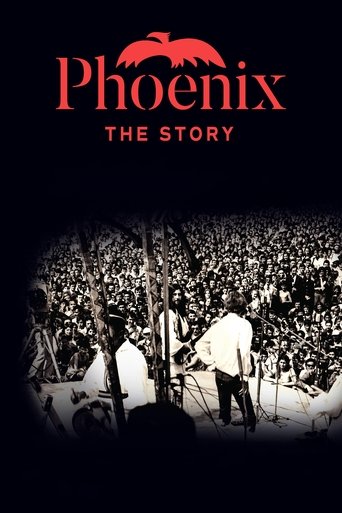
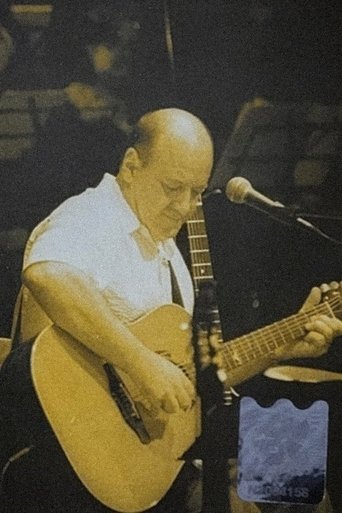
The film celebrates the 50th anniversary of the legendary Romanian rock band Phoenix. It features interviews with key members like Nicolae Covaci, the band's founder, and Mircea Baniciu, one of its iconic voices. The documentary includes rare archival footage and offers a comprehensive look at the band's history, its impact on Romanian culture, and its journey through various political and cultural landscapes.
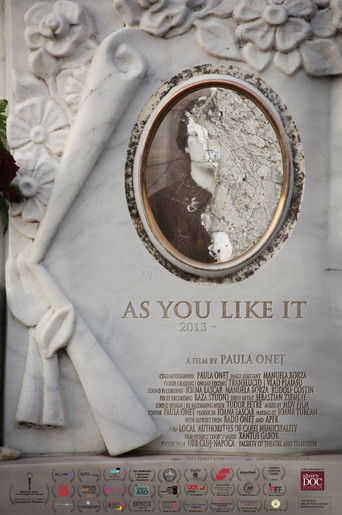
The documentary gathers stories of people who face their own gravestone photo while still alive. If you could choose one photograph of yourself that others will always remember you by, which one would you choose?

Within the confines of a small south London flat, the filmmaker decides to finally say goodbye to her already lacking confidence and her friends come together to help her see this task through. Structured as a succession of informal conversations and exchanges between friends, Bye Bye Confidence opens up a space for un-mastering and un-learning expected behaviours.

