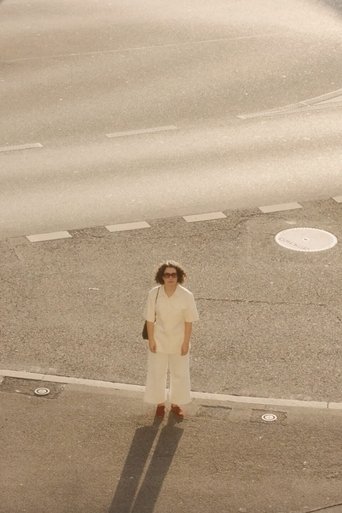
Lucky Girl Syndrome 2024
A self-reflecting collage made up of the director’s thoughts and moods while relocating to an alien, poetic Zurich.
A self-reflecting collage made up of the director’s thoughts and moods while relocating to an alien, poetic Zurich.

After 30 years of marriage, my parents told me they were separating. I fell in love and started my own family during this painful process. The film explores the different shapes that love can take between parents and children and children who become parents.
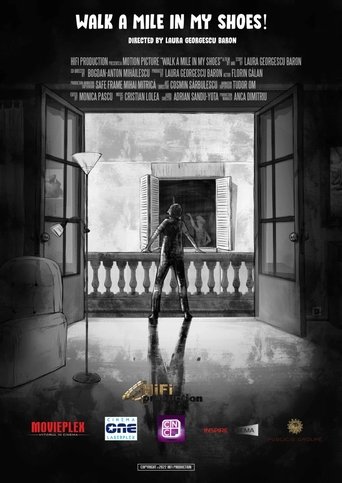
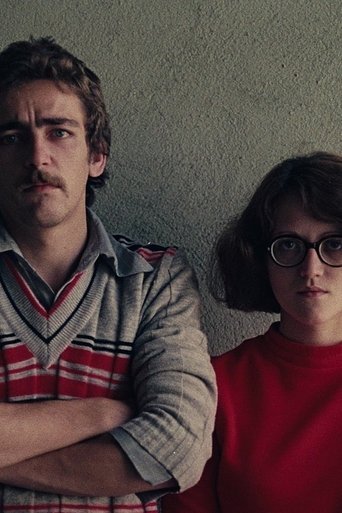
A father and his children prepare for the New Year.

Co-financed by AFCN - the Administration of the National Cultural Fund and implemented by the Untold Stories Association
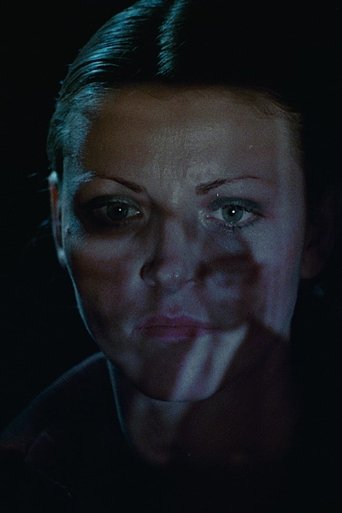
"Ciné-Verité" is a self-reflexive movie that questions the underlying forces behind television reporting and, in a broader sense, films of different genres. The main character is a young television employee making her first attempts at reporting. She interviews ordinary people in an attempt to obtain authentic life stories (some of the footage that director Laurențiu Damian includes in the fictional fabric is real), but the idealistic reporter's work is repeatedly rejected by her boss, which eventually leads her to resort to the conventional solution of using a commentary that explains the footage in wooden language.
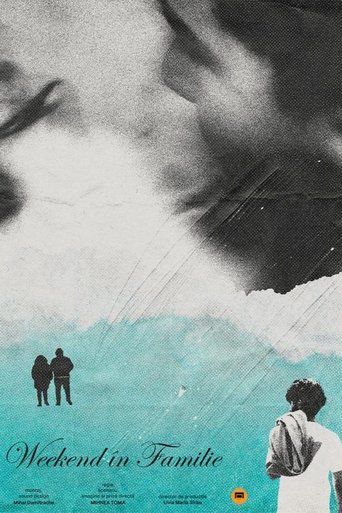
A visit to the director's hometown is the opportunity to bring to an end a series of sensitive, long-postponed discussions targeting topics such as identity, the drag scene in Romania, sexual orientation and the social pressure imposed by all of this. Three days that fail to find a clear conclusion, an attempt at dialogue in which the family dynamic evolves from comic to tragic and tender.
The documentary follows Doru Chirodea, the most unknown poet from Timisoara, whose activity begins in the United States, in the second half of the ‘80s, where he is known in some underground, non-academic circles, in the niche world of zines and independent literary magazines. Back in his hometown, he makes periodic book releases, published in a DIY fashion, in obscure and ephemeral bars, but with a core for a certain local bohemia, on the way to extinction. The film calmly reflects on this end of a lifestyle that already belongs to another era.
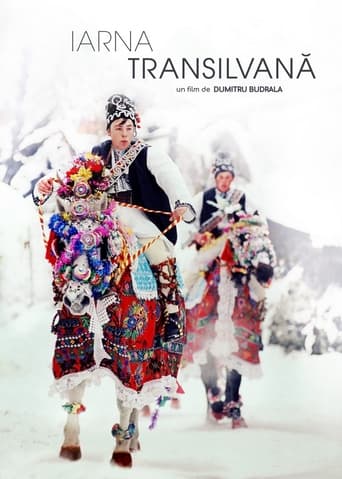
The rituals and the ancient carols practised by the shepherd communities in the Carpathian Mountains are nothing short of those of the ancient Greek and Roman rituals.
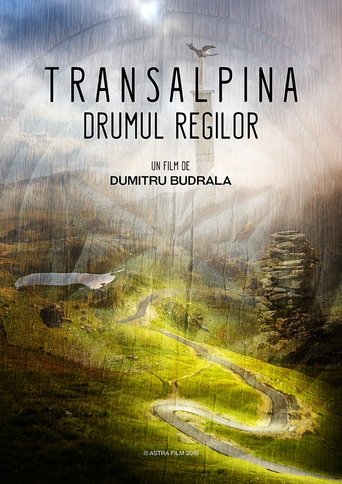
With its breathtaking beauty, Transalpina is more than a spectacular roadway serpentining across the mountain. The age of the road connecting Transylvania with Walachia is counted in thousands of years.
At the village pub, Philip meets a local celebrity, a nonchalant and extremely determined character. Gigi Meserie, a local musician, is undeterred by the pandemic. On the contrary, he manages to turn every opportunity into an opportunity. Gigi's goal is to convince the townspeople "to turn their faces towards us", the country folk.
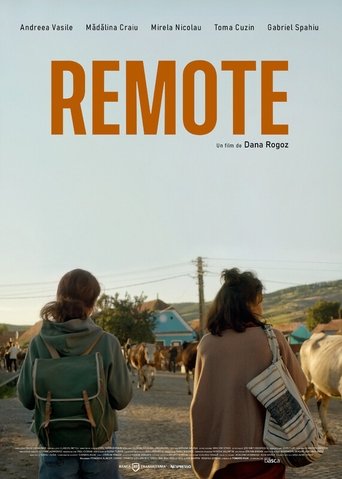
An odd night at a strangers home.
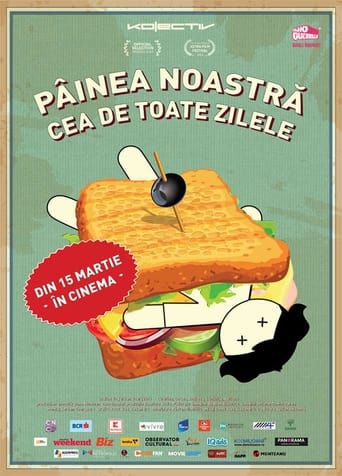
MamaPan is an artisan bakery where the female employees are social cases who would hardly find a job given that, for example, they cannot read or write. We see the harsh reality of these women, their instability and their inability to adapt, which results from all the problems they bring from home. The film presents their perspective in contact with the economic and entrepreneurial perspective and once again shows the problems in the social system related to the integration of vulnerable people in Romania.
Romanian horror movie from 1960.

A satire of artificiality in advertising, especially surprising due to the moment when it was made, in the mid 1980s. The ironic clichés anticipate the sexualized imagination of the 1990s: young women biting lasciviously from a piece of chocolate that melts on their face, lovers sipping allusively on a champagne, the cork of which pops under pressure. Advertising is, at the same time, a tribute to the efforts of the shooting crew, forced to work in difficult conditions - that are hyperbolized in the film - and to find all sorts of ingenious solutions so that the implausible situations they present look as polished and as desirable as possible.

The sounds and images of war are reflected in the content of children’s play.
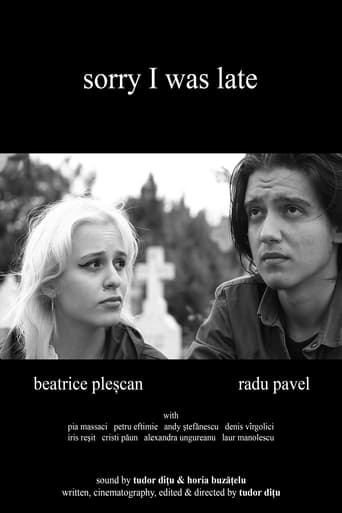
A boy keeps waiting for his friend.
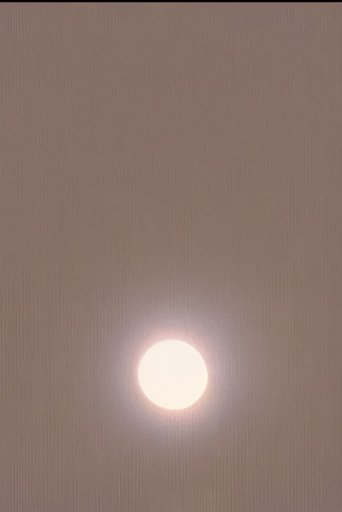
Up in the sky, the sun, and another sun, the other’s double. A simple superimposition invokes with all its strength the imaginary and poetics of anticipation, raising, at the same time, the problem of the double. What does the supreme singular represent for our culture of mass reproduction?

