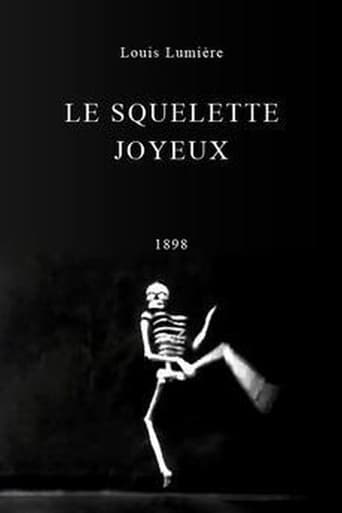
The Dancing Skeleton 1898
A skeleton dances joyously, often collapsing into a heap of bones and quickly putting itself back together.
A skeleton dances joyously, often collapsing into a heap of bones and quickly putting itself back together.
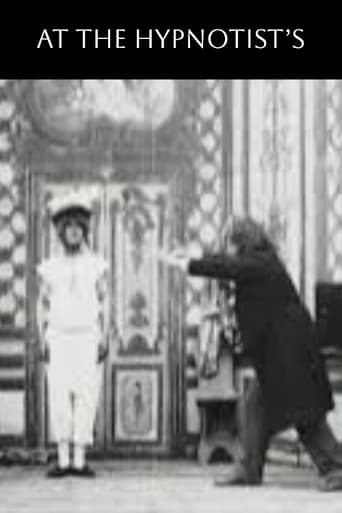
A hypnotist tricks his patients. There is no credited director for this film, although three different persons get attributed, Gaston Breteau, Alice Guy or Georges Hatot.
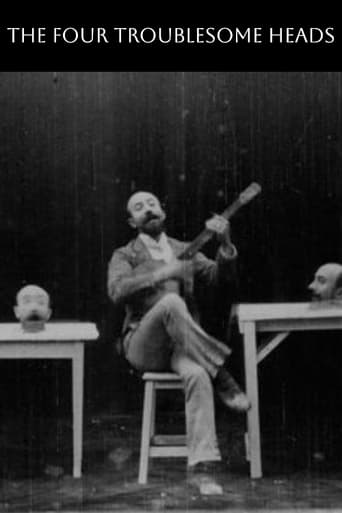
One of the greatest of black art pictures. The conjurer appears before the audience, with his head in its proper place. He then removes his head, and throwing it in the air, it appears on the table opposite another head, and both detached heads sing in unison. The conjurer then removes it a third time. You then see all three of his heads, which are exact duplicates, upon the table at one time, while the conjurer again stands before the audience with his head perfectly intact, singing in unison with the three heads upon the table. He closes the picture by bowing himself from the stage.
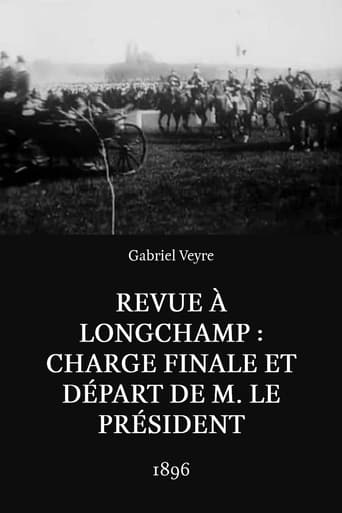
The end of the Longchamp parade and departure of the President, filmed by the Lumière brothers.

President Félix Faure, escorted by horsemen, marching past the troops at Longchamp.

A depiction in the hanging of Edward Heinson, an assumed criminal assault convict in Jacksonville, Florida.
Two bearded sages engage ina dispute before a large cauldron, from which they summon up Mephistopheles.
Vitagraph’s Battle of Santiago Bay (1898) blended real Spanish–American War footage with tabletop trickery. Albert E. Smith’s authentic San Juan material looked underwhelming, so he and partner J. Stuart Blackton staged the naval clash on a miniature set: cardboard ships afloat in shallow water, firecracker “explosions,” and clouds of smoke from cigars and cigarettes. Spliced together, the hybrid film was embraced as genuine by audiences and became one of the most popular war films of its day.
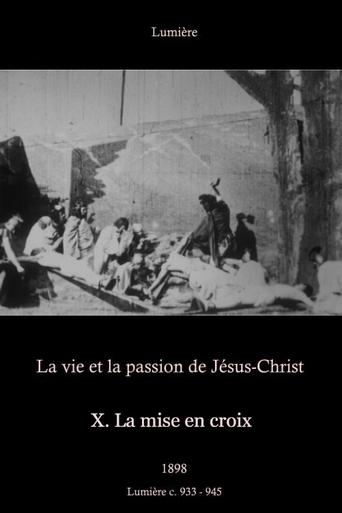
Part 10 of Alexandre Promio's Passion Play, in which Jesus is nailed to the Cross.
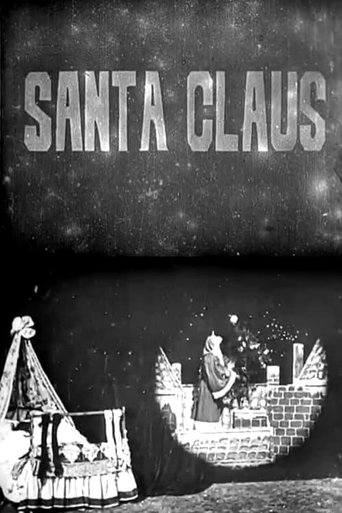
Santa arrives at a house on Christmas Eve to deliver his presents for the children.
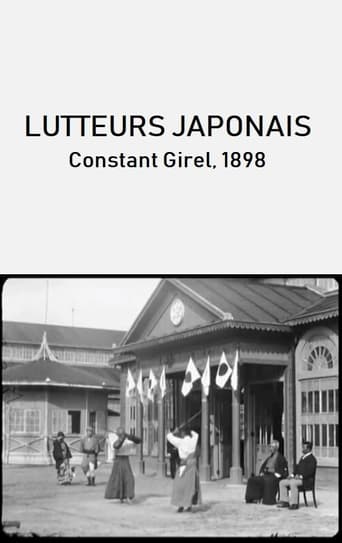
Two fighters, in traditional costume, taking part to the national kendo tournament.
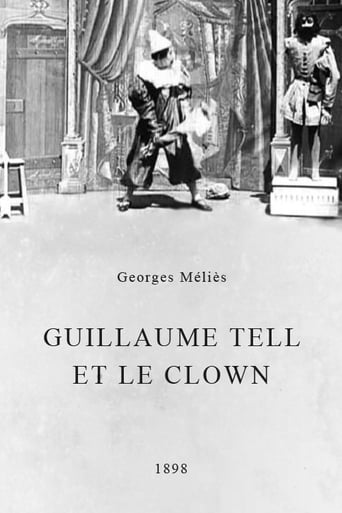
The scene opens in an artist's studio where the unfinished statue of William Tell stands upon a pedestal. A clown appears and sticks a clay arm and clay head on the statue, thus completing it. He places a large brick on top of the head to make it stick. When he turns his back the statue turns into a living representation of William Tell. (Edison Catalog)
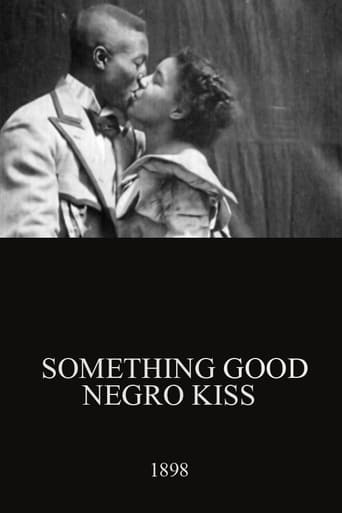
Earliest known example of African American intimacy on screen.
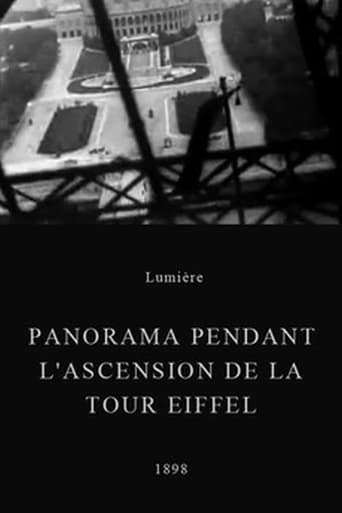
Panorama during the ascent of the Eiffel Tower.

A balcony courting scene turns into a man being beaten in a sack.
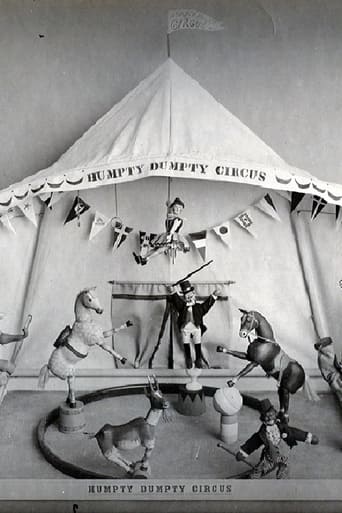
The Humpty Dumpty Circus is the first animated short film created in stop-motion technique. It features a circus with acrobats and animals in motion.
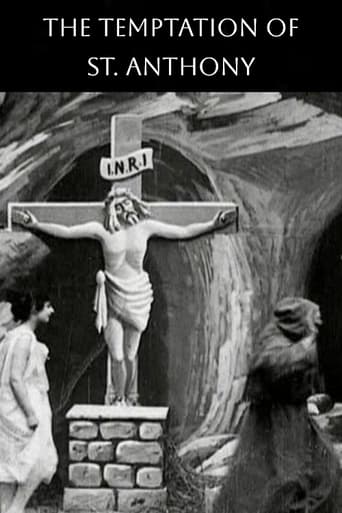
St. Anthony is tempted by visions of women, including one that is transformed from the image of Jesus Christ Himself!
Thieves are chased by police on rooftops.
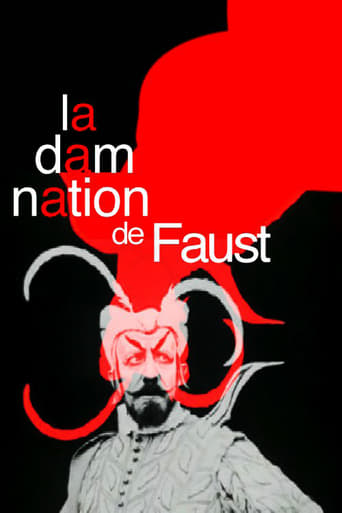
A lost film. Georges Méliès also directed a film entitled Faust aux enfers in 1903 that is frequently confused with this one, but it has little to do with the story of Faust.
