
Luxman Baul's Movie 1971
A documentary about the Baul singers in rural West Bengal.
A documentary about the Baul singers in rural West Bengal.
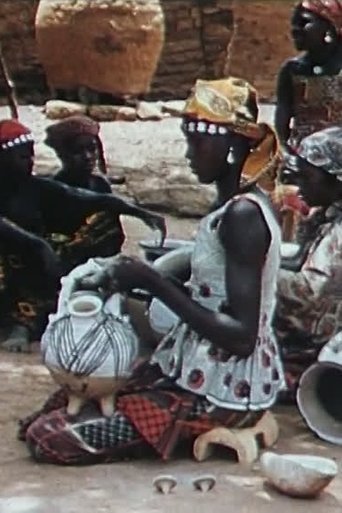
A week in the life of Salamou, a young potter who lives in the village of Bakin Dabagui in Ader, Niger, where a terrible famine due to two years of intensive draught is rampant.
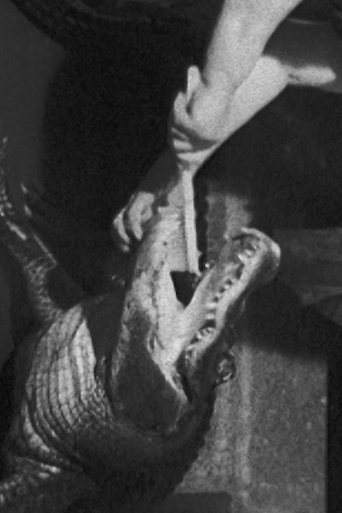
Daisy the pet alligator has its teeth brushed by owner Gwen Roberts. Gwen is interviewed by TV reporter Del Cooper about owning and looking after pet alligators at her home in St Keverne on the Lizard Peninsula in Cornwall. The word alligator comes from the Spanish word el lagarto meaning lizard. Alligators are native only to America and China but Chinese alligators are an endangered species. Taming exotic animals to become pets became fashionable in the 70s

Starting at Upminster Hall, built in the 16th century, the film covers the Tithe Barn, Gaynes Lodge, Upminster Clockhouse, High House, The Old Cottage, Great Sunnings, Howard Hall, Great Tomkyns, Upminster Station and Upminster Windmill. A labour of love, the film took John Wynstanly over a year of working evening and weekends to research the history, obtain permissions for filming, record the sound track himself and carry out the filming. This film is from the collection of Havering Local Studies and Family History Centre, a member of the London's Screen Archives Network.
In this interview given soon after the completion of Forman's first American film, Taking Off, we are treated to a candid, humorous and lively portrait of one of Czechoslovakia's most reputed filmmakers. Forman, a roguish, entertaining character, explains his reasons for using non-professional actors, tells anecdotes about his talent discoveries and provides interesting insights into the artistry of performers. The interview is interspersed with filmclips from Taking Off, Loves of a Blonde and The Fireman's Ball.
8mm film by Wyndham Wise.
People's Video Theater (PVT) documented historic public demonstrations by liberation movements in 1970-1971. Sampled here are the first Women's Liberation March in New York, the first Gay Pride March, the Young Lords' (a Puerto Rican liberation group) protest occupation of a Manhattan church, and an action taken by Native Americans at Plymouth Rock on the 350th anniversary of the pilgrims' landing.
Exploring textures and patterns in nature.
Shot at the first Earth Day in 1970, this new release features Allen Ginsberg reflecting on the state of American culture and society at the end of the 60s. In April 1970 the first Earth Day in Philadelphia was actually a week of celebrations for Mother Earth. This film was shot in and around the city, with cameo appearances and observations by the likes of Terry Southern, Jerry Rubin, mayor John Lindsay, and Wavy Gravy. But the film features Allen Ginsburg, both at the main event on Belmont Plateau and during a van ride across Pennsylvania, in which he riffs on American culture and society, at a meal at HoJo's and reading a poem on the banks of the Susquehanna. The talk is of polarization and the battle for the soul of America. Fifty years later, the argument goes on.

“Drug Use or Abuse” focuses on the differences between utilizing drugs which have been prescribed by a doctor versus illicit drug use and abuse.

Short film.
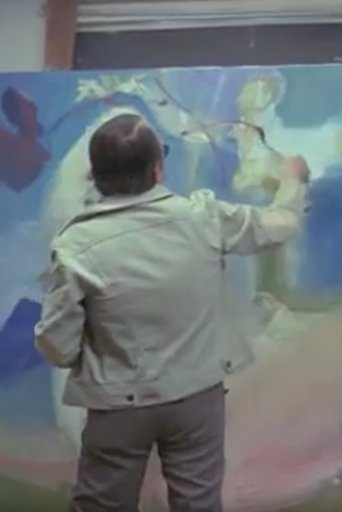
Documentary based on painter Augusto Rivera.

Archive footage of the University of St Andrews in 1971 gives an insight into what it was like to be a student at the University over 40 years ago.
Many times the decisions on economy matters made by the highest parliamentary bodies are not very thoughtful. But the opening ceremonies of new built industrial structures are always carefully prepared, not as carefully as the funeral ceremonies of the same companies.
A forty-minute black-and-white tape done in 1971. Fried is seated at a table, trying to run the gauntlet of choices while ordering in a restaurant. He keeps answering the waiter’s questions with more questions.
1971 / 8mm / color / sound
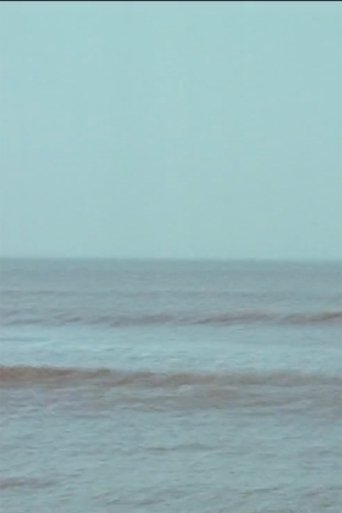
'Vibrating Horizon' offers us a view of the sea on a grey day. The horizon in the middle divides the image into two equal fields, the sea and the sky. The quietly rolling waves create an almost meditative atmosphere, until the horizon suddenly takes on a life of its own. The camera shakes on its tripod, as though affected by an earthquake, so that the dividing line between the sea and sky is constantly moving. This camera movement causes the sea and waves to lose their spatiality. The two fields become increasingly abstract, and as a result of the pulsing horizon it seems as if they are attempting to push each other out of the frame.
