
Orbitas 1971
"Used as creative writing stimulus, elementary and high school. Has been likened to a journey into inner/outer space." -RS
"Used as creative writing stimulus, elementary and high school. Has been likened to a journey into inner/outer space." -RS

A sobering look at Battersea's Doddington and Rollo estate - home to 7,000 people.
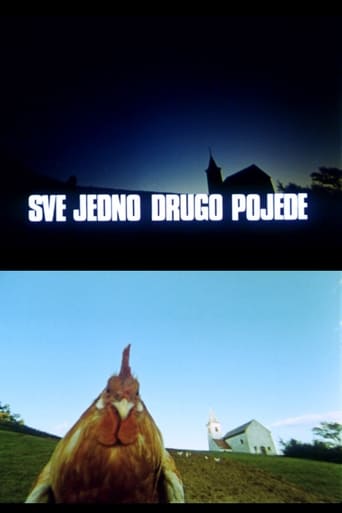
A time for sowing and a time for a marriage followed by everyday struggle and change of seasons. Chicken feed on the seeds of plowed fields, man eats chicked, life eats man... In front of a fixed eye the cycle of life evolves.




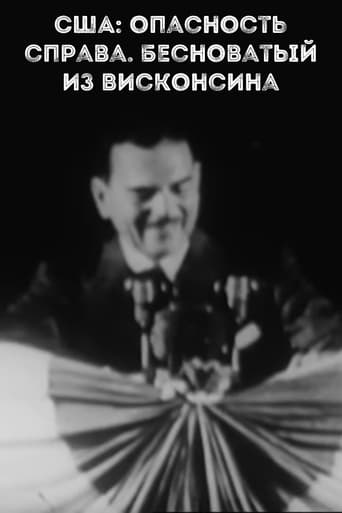
Professor Valentin Zorin, political observer of the USSR State Television and Radio Broadcasting, talks about Joseph McCarthy, an American politician, a senator from Wisconsin, who held an extremely anti-communist position, who advocated an intensification of the Cold War with the USSR. The name of McCarthy is associated with a reactionary trend in the political life of the United States of the early 1950s, dubbed "McCarthyism" and consisted in the persecution of people only suspected of sympathizing with communism and not committing any crimes.
The film follows two workers in industrial factories from Jena and Leningrad (modern day’s St. Petersburg) and asks them about their expectations for the future. There is a focus on the personal experience, but also politics and society are openly addressed.
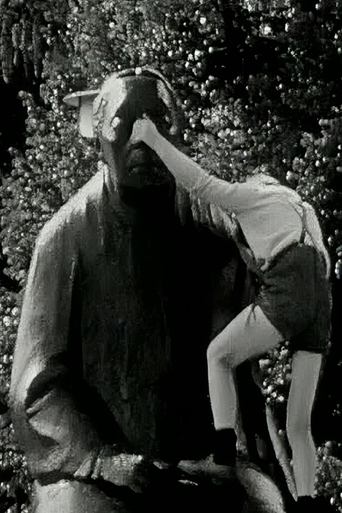
Kollwitzplatz, Prenzlauer Berg: Children are playing and climbing all over the monument to Käthe Kollwitz, frowning adults are watching them. What would Gustav Seitz, the creator of the sculpture, say? Christa Mühl has asked him but reveals his answer only when the adults have finally disappeared. Until then, she constructs explosive matter as light as a feather, set to Belgian cembalo jazz and with the perky montage style that characterises her early documentary work. After Karl-Eduard von Schnitzler himself had the most controversial scene cut, the film could be broadcast on television and triggered a lively discussion about the practical value of art.
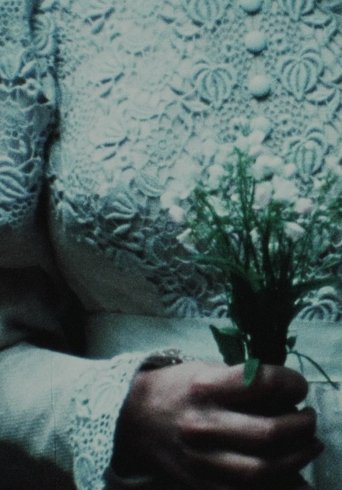
Doomed lovers visit a country fair, spend a long afternoon in the forest before they drown themselves in the river. FIlm thought lost for 30 years, as been restored with new sound.
A lonely street musician meets a young soldier who has just deserted.
Part of the Highlights Of The Ann Arbor Film Festival at the Whitney Museum's New American Filmmaker series, Ad Hominem is a political satire made with repetition, again and again rerunning a few TV images of President Nixon's face.

The title owes a lot to Dali because the film takes off from the fascination shared by the great Catalan and his friends Lorca and Bunuel with the wounds of the martyred saint Sebastian. But the text in the intertitles comes, of course, almost exclusively from Georges Bataille’s Eroticism. This film is a darker, more focused, companion piece to the slightly earlier Barbarêveuse. It really ought to be a treat for any self-respecting sado-masochist. RS

In 1971, Baldessari was commissioned by the Nova Scotia College of Art and Design in Canada to create an original, on-site work. Unable to make the journey himself, he suggested that the students voluntarily write the phrase "I will not make any more boring art" on the gallery walls. Inspired by the work's completion — the students covered the walls with the phrase — Baldessari committed his own version of the piece to videotape. Like an errant schoolboy, he dutifully writes, "I will not make any more boring art" over and over again in a notebook for the duration of the tape. In an ironic disjunction of form and content, Baldessari's methodical, repetitive exercise deliberately contradicts the point of the lesson — to refrain from creating "boring" art.
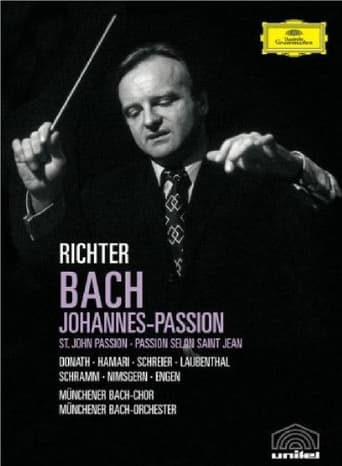
Karl Richter conducts Bach's Johannes-Passion with the Muenchner Bach Chor & Orchestra.
Follows the experiences of two brothers and their little sister as they explore the inside of a large empty house which is rumored to be haunted.
Mexican feature film
