
Exspiro 2025
In a barren dystopian landscape, a remnant of a human searches for sources of oxygen. In it's journey it finds mind altering experience.
In a barren dystopian landscape, a remnant of a human searches for sources of oxygen. In it's journey it finds mind altering experience.

The story of an ordinary park bench where the lives of different young people intersect.
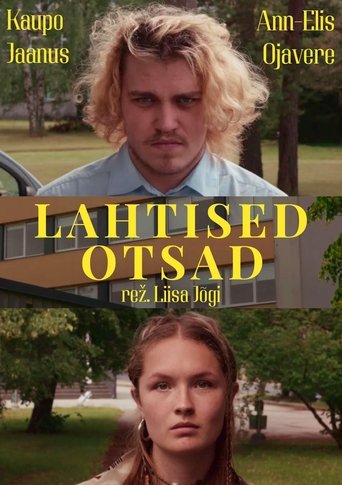
A plane is leaving for abroad tomorrow morning. A young man, who has just graduated from high school, spends his last day in his hometown and says goodbye to his old life.
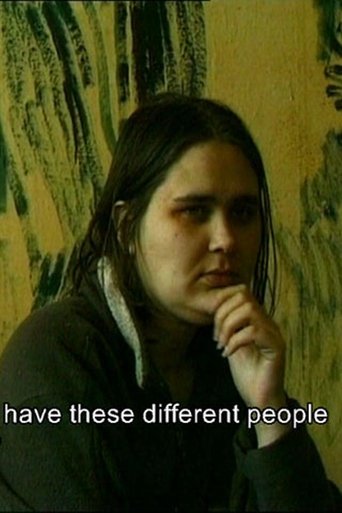
A conversation with Liina about the different people inhabiting her.
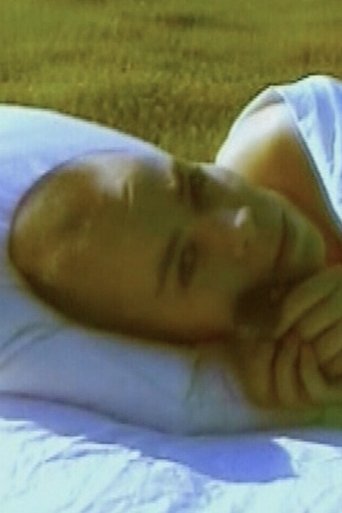
A floating bed and a woman carefully - and gently - holding a mouse close to her body. Gazing into the void, she is carried by a train of (sub)consciousness. Chimes and (human and animal) voices punctuate this windy, grassy journey. Like in a possible (sleep) paralysis, the terrain of the real and otherworldly are in permanent tension. She fails to close her eyes.
Original Estonian underground rave generation video art – it's cheap, it's loud, it looks like a home video, it's a manifesto against the male-dominated, post-Soviet art world. Created for the exhibition "private views. space re/cognized in contemporary art from Estonia and Britain" (curated by Mare Tralla and Angela Dimitrakaki in the Estonian Art Museum, 1998) Kiwa was the only male artist on the show and chose, quite pertinently, to focus on the space most associated with male creativity. The mythology of the artist's studio as the protected sanctuary of freedom and self-expression par excellence has risen across diverse techniques of visual signification. Access to the studio means access to a celebrated subjectivity.
Mirror on the wall, camera on the ceiling: fast tracked images of waves of an influx of movement inside a women’s bathroom. Entering, waiting, using, leaving: this is a surveillance-style depiction of the transitory life in a non-place filled with possibilities.
An encounter between two men in a club in Riga. A stagnant, distant but carefully observant capturing of a hypnotising pole dance to Frank Sinatra’s New York, New York, that ultimately leads to a personal/closer connection, with general introductory questions about life (and its expectations).
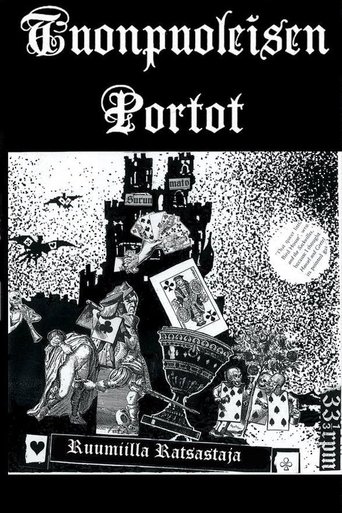
1. Catherine's Ring 2. Body Rider

View to Lake Viljandi. A family strolling by the lake. People with rowboats on the lake. Swimming competition in the lake pool. Boat harbour. A man with oars. Landscape of Viljandi county, a horse carriage moving along the road. Ruins of the Viljandi fortress. Farm yard and a mare with a foal in Viljandi county. The main building of the University of Tartu at the end of summer 1940 when the building already bears the Soviet symbols.
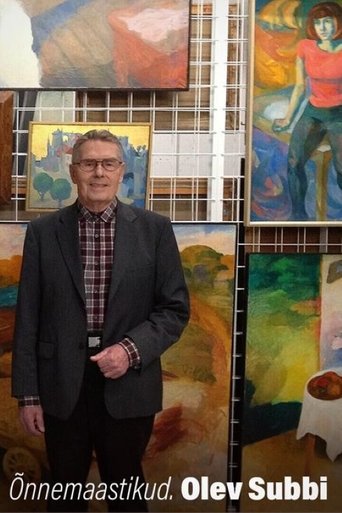
The documentary explores the origins and influences of Subbi’s painting through the recollections of his closest friends.

Lost film. Helja, an Estonian woman, and his British groom John have met during the Estonian War of Independence. They hear from an old professor of an old folk tale about the dark past of Estonia. Estonian pageboy Mangu who works at von Sternhell's manor proposes a pretty slave girl Linda. However, von Sternhell gives orders to steal the bride right in the middle of the wedding. She will be taken to von Sternhell's castle according to the brutal middle-age custom – the law of the first night. Together with fellow villagers, Mangu gets into a desperate battle with the noblemen in order to save his wife's pride.

Low IQ lad named Fuuskur tries to find perfect formula for his homemade snus.
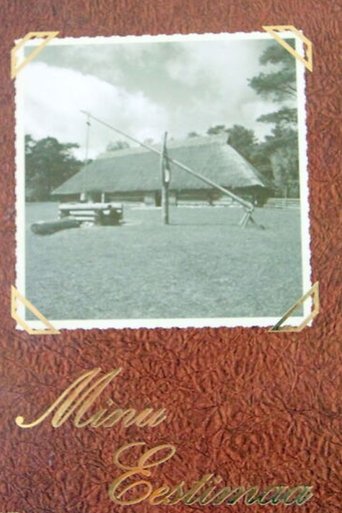
Estonia can be cursorily viewed in several ways - either as a tiny periphery state or a border country. But there is also another way - to go deeper into the country while truly perceiving it. Here a totally different layer opens up. This documentary is an inventory of an Estonian spirit before heading towards the superficial Postmodernism era. This is the story of our country, the way it actually is, the way we see it. A sensitive and an intelligent place with its stories and facts. Sometimes familiar, sometimes strange. Not gone yet. It is a country designed by the joint forces of the icecap and singing.
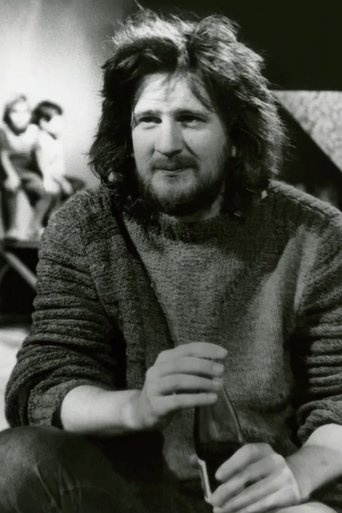
Vahur Kersna's large-scale movie of the life, work and fate of Alo Mattiisen, who became the figurehead of the singing revolution.

A report of the White Flower Day held on Tartu Town Hall Square in May 1913. White Flower Day is a charitable action in favour of people who suffer from tuberculosis.
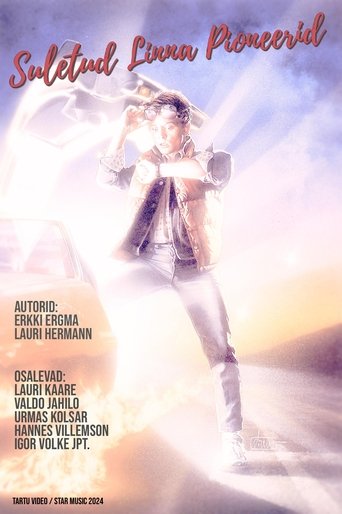
The film is about Tartu and its enormous capacity for innovation over the decades. Tartu vs Tallinn characterizes the theme of the film that tells the story of how the Western world came to Estonia.
