AM + FOJE = 30 2014
The 30th anniversary concert of Andrius Mamontovas and the group FOJE.
The 30th anniversary concert of Andrius Mamontovas and the group FOJE.

On your screen is an impressive spectacle: the biggest concert of Andrius Mamontovas solo career and documentary footage of the event behind the scenes. The eyes and ears of 20,000 spectators admired the most popular hits of A. Mamontovas and "Foje" on the legendarystage of Vingis Park, which sounded uniquely in a new format - with the support of the symphony orchestra conducted by maestro Modesto Pitrėnas. This film is a recording of a historic concert that the performer himself dreamed of seeing through the eyes of the audience. You can see up close - not only the action on the stage from the front rows, but also several months of preparation for a magical musical journey during the forty years of A. Mamontovas career.
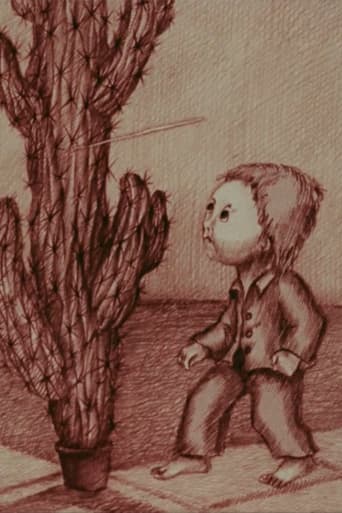
The story of the mysterious discovery of a cactus injured by a boy.
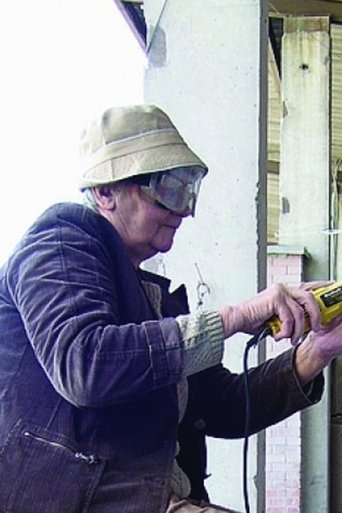
The film about the famous Lithuanian sculptor Dalia Matulaitė - the author of many decorative sculptures, monuments and small sculptures.

When picking up rubbish, one is plunged into memories of situations in which one felt helpless. Guilt overwhelms him.


The film portrays the junction of two individuals: a lonely old man and a young woman, subconsciously joined in a single dream space. The different manifestations of the archetype Anima act as an ally between the unconscious 'self' and the conscious 'I'. Anima, both a Virgin Mary and a whore, expose the intimate conception of women, hidden inside the mind of the lonely man. While, simultaneously appearing in the women's subconsciousness as a mysterious and charming lover, a father figure, a professor or a saint, illuminating her perception of men. Anima, as many archetypes, possess a duality which allows it to have both a positive and negative influence.

When Henrikas Šablevičius started filming Lithuanian “oddballs” – a professor, a fortune teller, racers, and many others who fell short of the concept of the “model citizen” – he invented a bizarre new genre of documentary biopic. Characteristic of these portraits is a sense of mocking irony directed not at their subjects (on the contrary, the filmmaker’s affection for them is palpable) but at the “Soviet hero” genre. The subject of this film is Apolinaras, a kindhearted policeman who even outwardly looks very unlike the ideological “guardian of morals.”.

Biographer Alexander Vasin embarks on a long and winding archival journey, examining the child of the Great Pohulianka, the fearless war pilot, an exceptionally talented writer Roman Kacew, who wrote under the pseudonym Romain Gary.
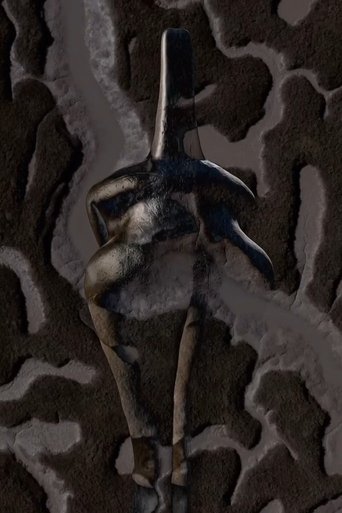
Excerpted quotes from Marija Gimbutas, The Goddesses and Gods of Old Europe 6500 - 3500 BC, London: Thames and Hudson, 1982 [1974], p.149 and p.145.
An encounter in an elevator changes a young man's life forever.

A seemingly calm young man waits at a bus stop, listening to music. However, his peace is disrupted by oblivious passersby. Soon, they will realize that sometimes, it's important to pay attention to what's happening around them.
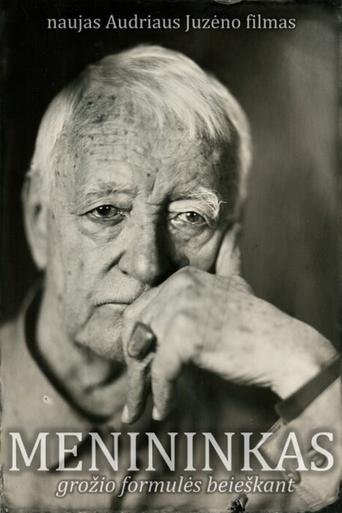
A documentary essay film about the eminent artist and photographer Rimantas Dichavičius, whose legendary album of nude photographs, “Blossoms Among Blossoms”, sparked a “sexual revolution” in the then Soviet Union.

What would you choose: live in reality or a fantasy world where you are the hero?

One day, a musician runs away from the radio station. Too much sugar sinks the ship and the hope of finding love outside the door with a heart. Fortunately, the missing hat appeared.

Narrates the story of the friendship between an injured girl and a ladybird, reflecting a special relationship between the child and nature.

Moving people from homesteads to settlements. Families are filmed and interviewed in their old backyards just before they move out.
A summary of twenty years of the work of film director and actor Algimantas Maceina, a document of his spiritual, ethical and aesthetic quest.
The poet Marcelijus Martinaitis talks about his life in his homestead, about the necessity to plant cucumbers, onions, tomatoes in the garden in the springtime, which he brought from his youth in Paserbencis, and about the way in which he feels that he is the creator and the ruler of this world.
