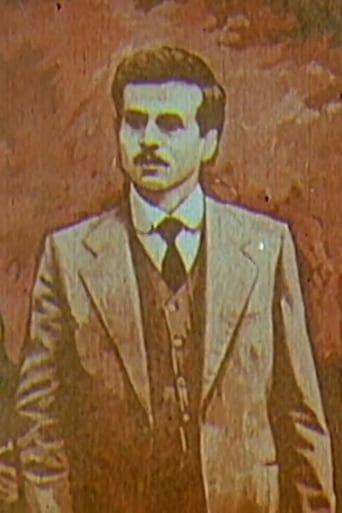
A Name Among People 1983
Biopic about the patriot and political activist Avni Rustemi.
Biopic about the patriot and political activist Avni Rustemi.
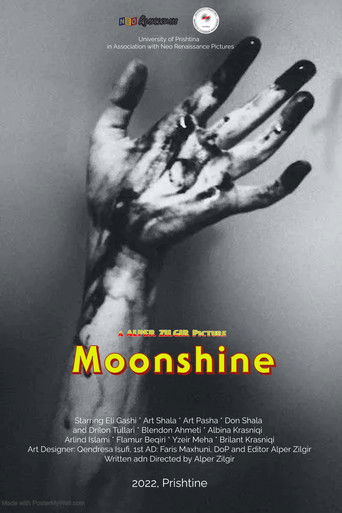
A group of friends decide to spend the night at a villa, but everything changes when they encounter an environmentalist.
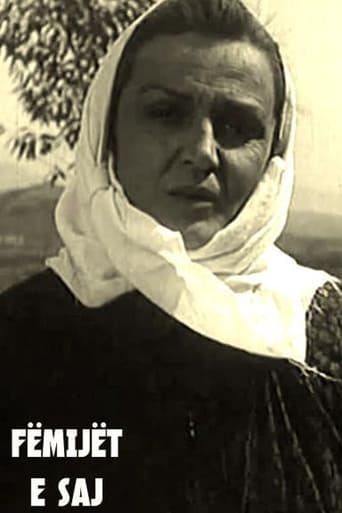
Events take place in an isolated mountaineous village where a rabid dog bites the son of Fatime. The woman has to decide where to take her son, to the doctor or to Aunt Remja, an old woman who practices magic.
This film is a powerful drama that depicts the aftermath of war and its impact on the lives of individuals and society.
At the center of the film is a patriot photographer, who sees how the city moves on the eve of invasion by focusing his camera at the heroic resistance of the people.
Border guards discover footprints in the snow near the border and become suspicious.
The year is 1941, World War II is going on. Vaso returns to his village, helping the revolt of the villagers against the enemy. Marko, his brother, wants to get revenge against the people who took his fiancée. This revenge becomes part of the overall revolt.
Living in a crowded, multi-generational household in a small village in Kosovo, the quiet teenager Venera can rarely find privacy. However, when she befriends the rebellious Dorina, a new, liberating world opens up to her. Slowly, Venera begins to push against her conservative family’s expectations.
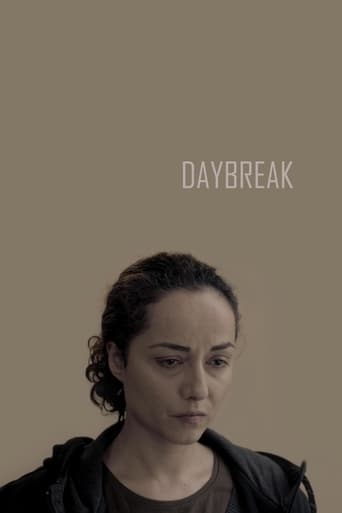
Leta has not been able to pay the rent for several months. When she and her one-year-old son are thrown out of their apartment, they move in with Sophie, an old woman confined to bed, whose daughter has just employed Leta as a caretaker. In order to keep her job and a roof over their head, Leta has to keep Sophie alive at any cost.
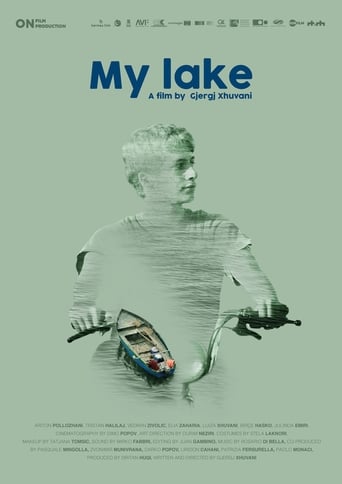
Young Kristo lives in a village at the edge of gorgeous Lake Prespa, a body of water divided on the borders of three Balkan countries Albania, Macedonia and Greece. In order to support his family, Kristo has become a small-time marijuana smuggler, using his boat and knowledge of the lake waters to transport drug packages from the Albanian to the Macedonian side.
In a peaceful neighborhood life is quiet, but a traumatic past promises to change lives of people that live there, forever.
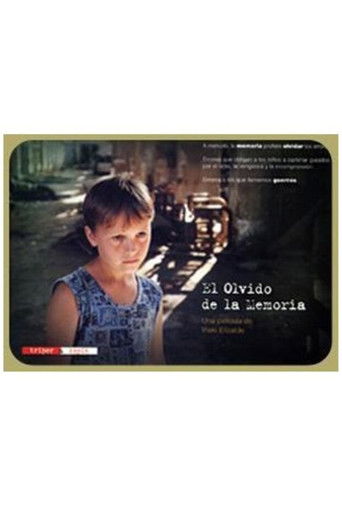
Children learn what they see and feel what their elders teach them to feel. If they live surrounded by hate and thirst for revenge, they will learn to hate and take revenge. The documentary collects the stories of these children told by themselves; of the children who live today in the war and of those who, already old, reflect on the childhood they lived in another distant war.
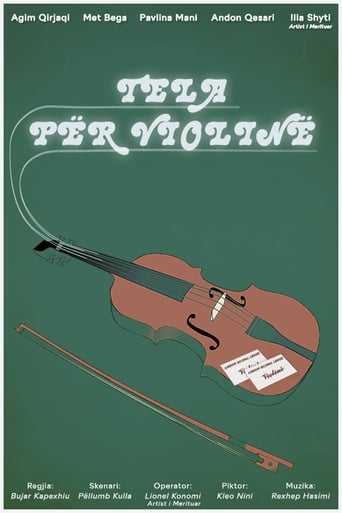
Andon, a young violinist, is seriously studying for the admission competition at the Academy of Fine Arts. Cosmai, the father, thinks his son cannot win the competition without a bit of external help. He mobilizes all his friends and relatives so that his son can be sure to win. Muco, the chairman of the commission, is incapable of judging clearly and bored from all the interventions pours the anger on the young talented violinist.
Albania and neighboring Yugoslavia officially broke ties in 1948. But in 1971, the Hoxha regime was honored to welcome the ethnic Albanian actor Bekim Fehmiu (1936-2010), at the time an international star in Yugoslav theater and film. Before his trip to Albania, Fehmiu had appeared in the popular Italian television smash The Odyssey (1968) and the Cannes-winning I Even Met Happy Gypsies (1967). Dokufest will also feature a photo exhibit of recently-discovered still images taken during Bekim Fehmiu’s Albanian visit.

The film "Kosova: Desperate Search" recounts the repercussions and effects of the Kosovar war on the Albanian population. Ethnic cleansings and other atrocities mentally and physically destroyed the people. The entwined destinies of individual persons and families from various geographic regions and social classes are the basis of a closely interconnected storyline. Families are not only looking for their missing children, but also for new hope and perspectives.
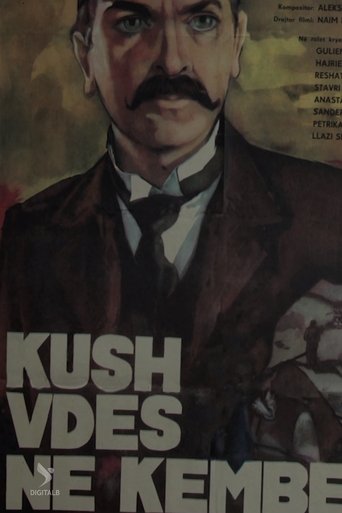
Film based on the life and patriotic activities of teacher Petro Nini Luarasi.
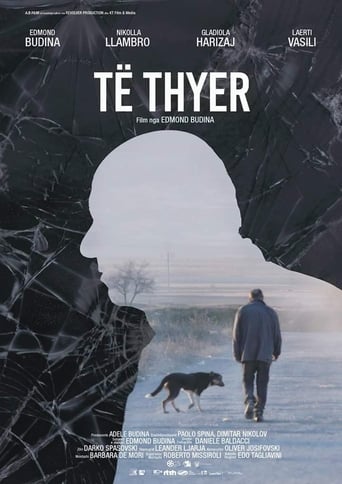
Jani Budi, 60s, after serving a sentence, was released from prison in Ancona and embarks on a ship to return to his country of origin, Albania. Arriving in Tirana he discovers the shocking truth: his wife died shortly after his arrest, and his son, Andi, has become politically corrupt. The film is a combination of drama and comedy that scans Albania today and human relations.
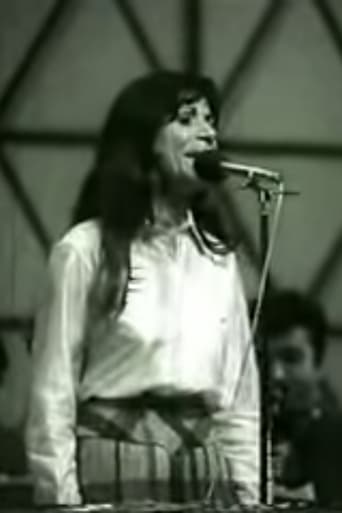
No one knows why for certain, but from 1968 to 1973 communist Albania enjoyed a brief liberalisation in the arts. Banned books and Beatles records changed hands. Albania’s Nobel-nominated novelist Ismail Kadare wrote two of his most famed masterpieces, Kështjella (The Castle) (1970) and Kronikë në gur (Chronicle in Stone) (1971) during this period. The rock'n'roll and jazz arrangements featured in this concert documentary were the pretext that brought about the end to the artistic thaw. Several performers seen in the festival were sent to prison or internal exile. The portly, smiling music conductor, Gasper Çurçia, was later accused of forging bus tickets and executed.

Documentary about the famous Albanian poet