
Reprisal 2017
A young woman becomes anxious at the news of the return of her husband, who disappeared 30 years ago during the civil war.
A young woman becomes anxious at the news of the return of her husband, who disappeared 30 years ago during the civil war.

An Egyptian woman is trying to look after her four children, especially in the lead-up to and aftermath of her divorce from their father. However, over time, the circumstances around her gradually change on all levels.
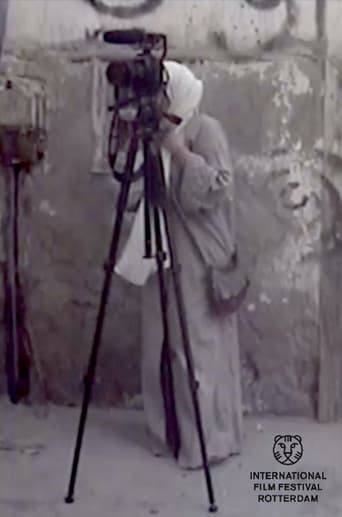
Working underground in the year before the legalization of cinema in Saudi Arabia, a team of mostly women makes its first feature film. Anonymous accounts of their experience are brought together in a melancholic narration. In the spirit of first films, a filmmaker documents the production in Jeddah with his first video camera from childhood.
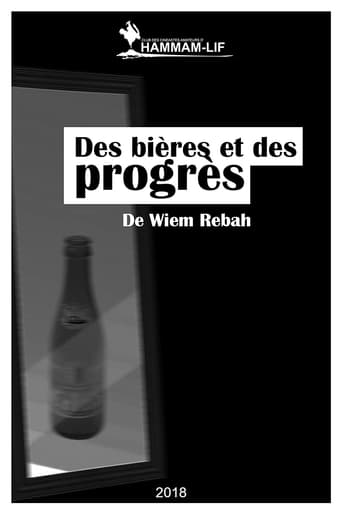
Mohamed Ali, a young father, finds himself in trouble in a bar.
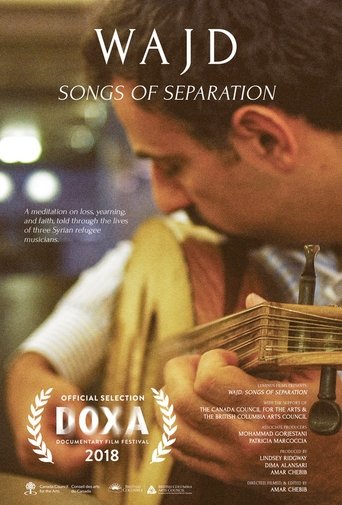
Shot initially in Syria prior to the civil war, Wajd is a window into the lives of three Syrian refugee musicians as they face their traumatic experiences. Verite footage of their daily lives weaves together with bittersweet musical performances, traditional Su ceremonies, and poetic imagery of a pre-war Syria that no longer exists. What unfolds is a cinematic meditation on loss, yearning, and faith.
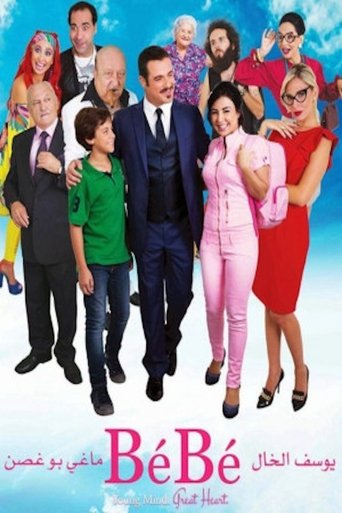
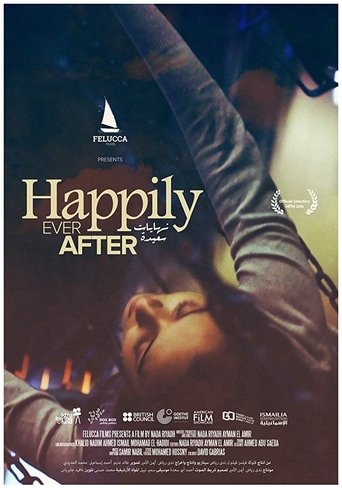
An unrelenting personal report of a faltering relationship in the aftermath of Egypt's Arab Spring.

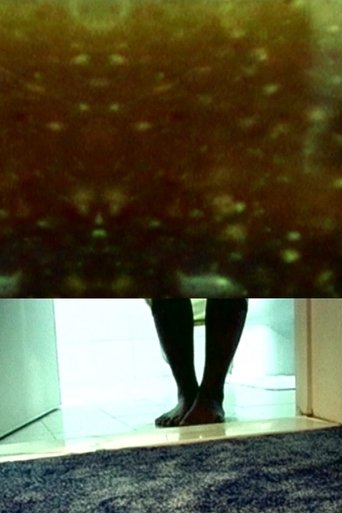
A young woman who is seemingly being prepared for an arranged marriage. The use of dramatic camera angles, changes of film exposure and camera focus, all serve to express her inner state of agitation, but the story is more implied than spelled out.
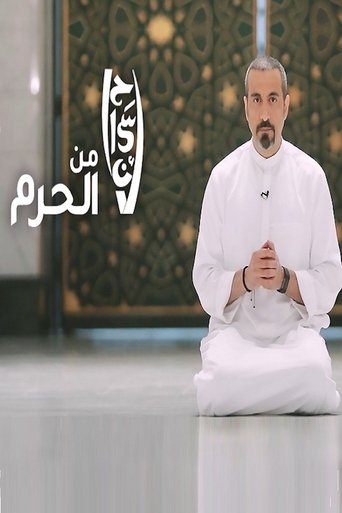
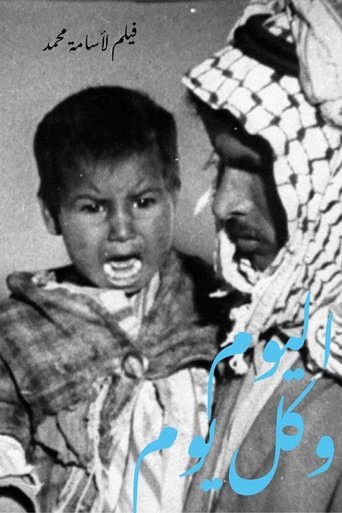
The filmmaker’s directorial debut after joining the National Film Organization, this short documentary follows young children in preschool as they become exposed for the first time to notions of learning, reciting, and proper pronunciation and molded into conformity.
Mesteka, a seventy-year old Moslem widow, and Rehan, a sixty-seven year old Christian widower, are neighbours. Their busy children hardly ever visit them now. Mesteka and Rehan get used to monotony, loneliness, and isolation and fashion their lives accordingly,until tragedy gives way to comedy.
Les eaux cachées (Hidden Waters) tells the story of water in Fez, Morocco, the cultural practices surrounding it, and those who aim to save it for future generations.
Taking the idea of loss and dispossession as a starting point, this film is a reflection on photography and its people. It looks at the position of the individual within the context of war and displacement, as well as how photographs have become the sole record of that displacement, at the risk of them being dispersed as well. The film takes us on a journey from the point of view of a reproduction stand and a white backlit frame on which stories of war and loss unfold, from photographer Van Leo talking about the Armenian genocide of 1915 to the funeral of the assassinated Lebanese political leader Maarouf Saad filmed with a Super 8 camera in Saida in 1975. Between them, accounts of displacement and struggle of Palestinians are told through the photographs of Astra Abu Jamra, Samiyyeh Khairi and Abdel Salam Ujayli.
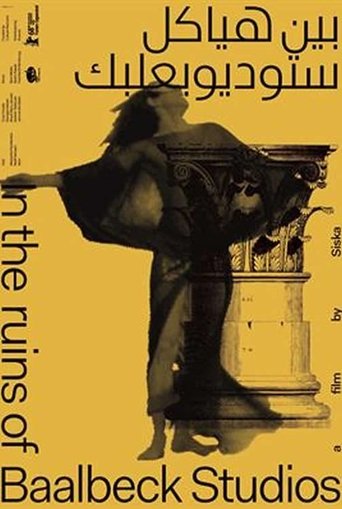
Shows the ruination of film heritage in Lebanon, navigated through the country’s cinematic heydays in the late 1960s and early 1970s. This period witnessed a rise of Egyptian producers and directors moving to Lebanon to make films partly due to Nasser’s nationalization of Egyptian cinema.
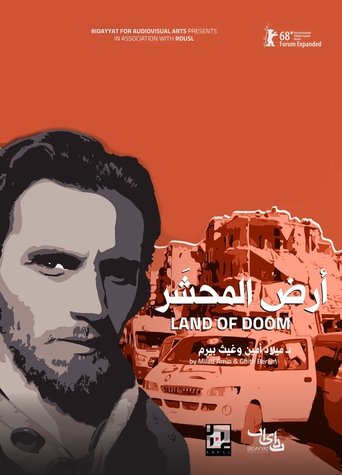
The film depicts the last days of eastern Aleppo’s siege. Just before its fall, Milad Amin, residing in Beirut, follows up with his friend Ghith, an activist and photographer, who like so many other civilians still remains in the besieged city. Following Ghith via his camera through the ruins of the city, we hear the two friends talk about people’s situations while waiting for their fate amidst the fighting parties. The film is an intimate and personal recording of civilians’ sufferings during this time of siege, hunger, and war – and a recording of both the relationship of activists brought together during the civil movements and of the geographic distances that separate them due to violence, bombing, and killing.
