
Bikers in the Dark 2012
Set in the near future, 2017, presents a mix of four stories that take place in a fictional Pomurje town in one day. A narrative that shows the imprint of today's crisis in some dark future that we would not want.
Set in the near future, 2017, presents a mix of four stories that take place in a fictional Pomurje town in one day. A narrative that shows the imprint of today's crisis in some dark future that we would not want.
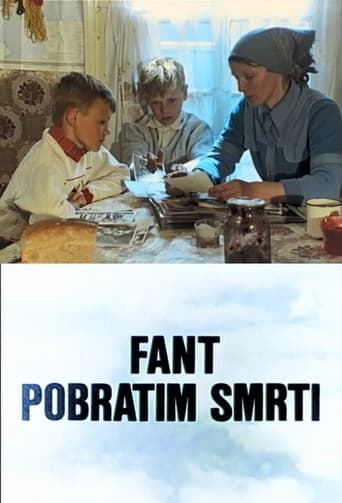
An emotionally shattering portrait of the unfulfilled childhood of Anatolij Rizov, a boy caught in between the post-catastrophe condition of his home town Chernobyl and the state of siege in Slovenia during its brief war for independence, where Anatolij is spending summer holidays.

A Slovenian filmmaker-botanist and a Japanese neuroscientist join forces to study an unusual agricultural document from the mid-20th century. The manuscript describes the case of a pear tree from a small village on the Yugoslav-Italian border, which was believed to be holding miraculous power to defy time.
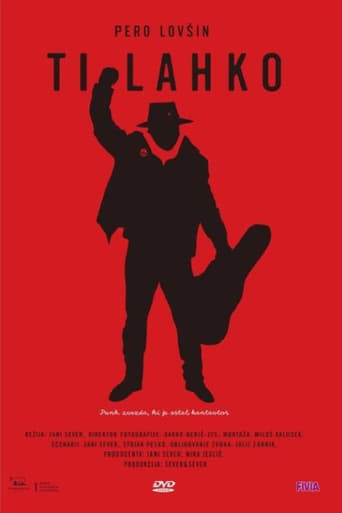
To celebrate 40 years of his career, Slovenian rock star Peter Lovšin presented this documentary. He started in 1977, when he formed Pankrti, one of the greatest Slovenian punk groups, and in 1992 he started a solo career. His contribution to the Slovenian music scene is unparalelled.
This Tabu biopic gives an honest, behind-the-scenes look at the ups and downs in the 20 years of the band. It tells the stories that have inspired some of their biggest in a long list of hits. It takes you backstage, painting the first truly honest portraits of the band members. Additional insights into their music are provided by their colleagues from the world of music, who consider Tabu a major player in the music scene.
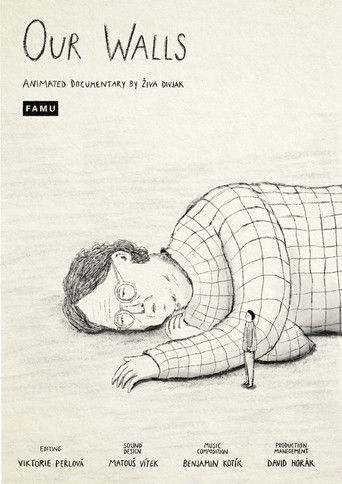
An animated documentary that, through an intimate conversation between a daughter and a mother, searches for understaning and explores family bonds. The film reveals the inner conflict between freedom and sacrifice. Gradually, walls that connect and confine us across generations emerge, shaping who we are to ourselves and to one another.

The author constantly depicts the duality of human nature: the same horror occurs in both the mythical and the real world. She illustrates all this with the use of electronic tricks that can, for example, petrify a human face or wall up a human being in just a few seconds. With an electronic trick, even human figures dressed in extravagant costumes return to nature: a man in a costume reminiscent of a bird turns into a real bird. At the same time, the scenes are shot from a bird's eye view, which, as always, emphasizes man's smallness and his loss in his own world and nature.
A compilation of the Borghesia video clips (So Young, The Wild Bunch, He, Too Much Tension, Cindy, A.R., ZMR), issued in 1985 as the first video cassette by the FV Label. These are short, almost 'film-like' stories focused primarily on the iconography of the body in urban surroundings. One of the clips presents a pioneer use of computer graphics.
The animated biography of Mother Teresa.
Deep in the bosom of the native soil, among idyllic hillocks, live men and their tractors. Trahere is a short documentary on what might be the most Slovenian of all relationships: man – tractor.
A postman has to deliver a letter addressed to the “best boy”. He goes door to door, looking for this boy, but finds that children everywhere are naughty, so he stamps the letter with “addressee unknown” and returns it to the sender.
Camera follows the rhythm of work on a construction site. The music serves as a commentary and warns us about complications or interprets routine work. Story about the rhythm of (in)activity.
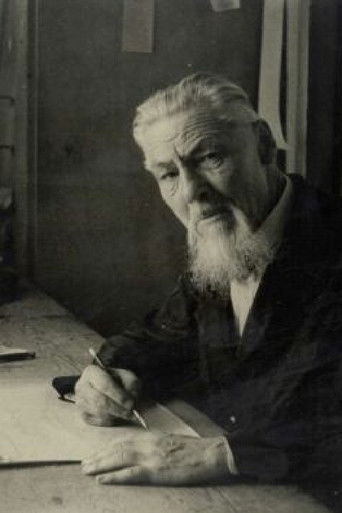
Plečnik in photographs, Plečnik's house, Trnovo bridge, Trnovo port, Ljubljana castle, shoemaking bridge, triple bridge, market, lock, church of St. Jožef, church in Šiška, Church of Cyril and Methodius in Bežigrad, football stadion, baptistery of the church in Črnuče, church at Barje, NUK, Roman wall, Križanke, Vegova, Peglezen, Tivoli, Chamber of Crafts, mutual insurance company, Žale.
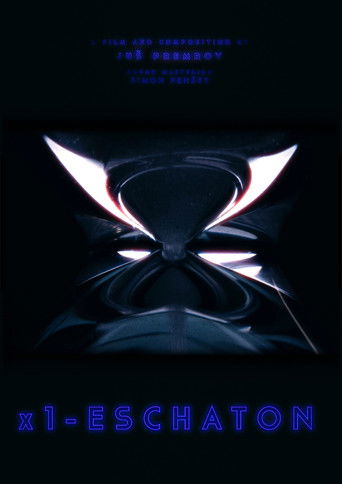
The wind is turning. An end - it nears.
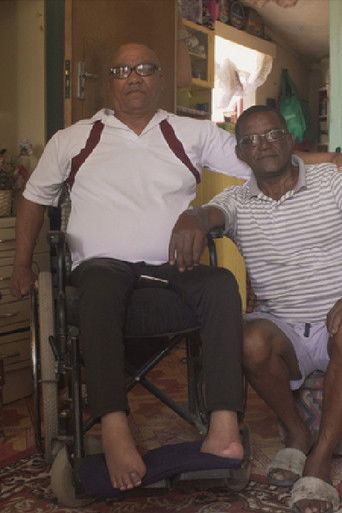
In a series of short portraits the documentary tries to establish a dialog with the Christian painting The Broad and The Narrow Way, to illustrate some of the spiritual and existential challenges of the South African community of Sutherland.
With the advent of television, many people reckoned that the days of radio were numbered. What is a voice without a face, a laugh without perceptible gesticulations, music without visible animation and so, what little magic was left to retain listeners? It is this very space that Vlado Skafar has chosen to portray in his film made with the aid of basic materials. The pictures: shots of landscapes, cities, all very ordinary, of Slovenia. The sound: the kind of night broadcast where listeners are invited to intervene by way of a game: they phone in, ask for advice, complain, chat or try to flirt with the female presenter who remains invisible to the bitter end.
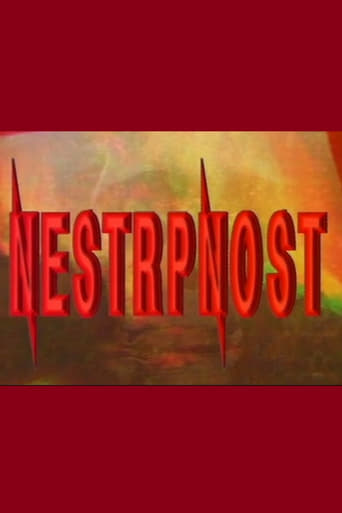
Based upon a novel by Lela B. Njatin, an extremely fragmented piece of narrative. The film retains all characteristics of the original text, introducing the fragmentary structure both in the video image and music score. The heroine experiences only fragments of events, she gets involved in meetings which start but never end, she has wishes which are outlined, but never consumed. In the video film, all these fleeting and intolerable moments, transvestism and changes of identities are indicated with layering of visual levels and mixing of different sounds: narrations in off, dialogues, noises, radio broadcast. The delusive and ungraspable images fluctuate between reality and dreams.
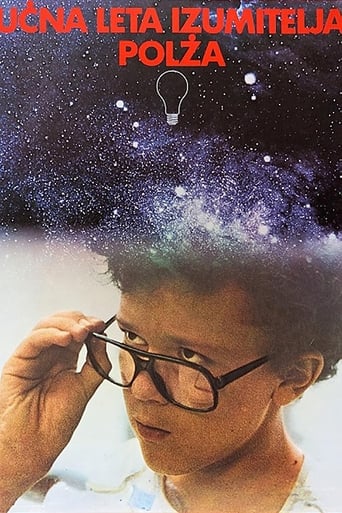
Jani, called just Polz by his fellows, is a sincere elementary schoolboy. He likes his schoolmate Hojka, but especially drawn to inventiveness. He is suported by his mother, his schoolmate Hojka and Fitipaldi. The rest of them, on the other hand his father, a teacher of physics at the top of list, show no recognition of his efforts whatsoever. When seeminghly on the verge of his first success, his device explodes and thus concludes his life of home expirimentation. Polz remains a kind of rebel and fanatic in the eyes of adults, but his younger brother is already promising to follow in his footsteps.
Everything begins with Madonna. The author recalls her first time seeing the world’s superstar in the movie THE NEXT BEST THING (2000), when she was only ten years old. She was mesmerized by her. Madonna has opened a new world of idols to her.
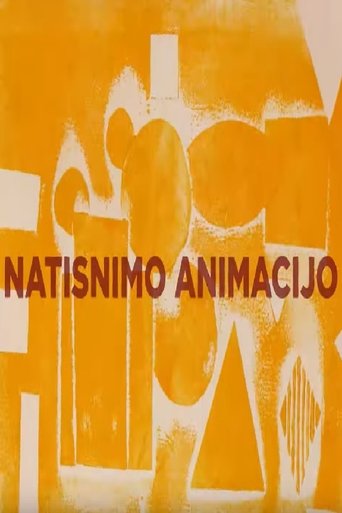
The film, printed at the International Centre of Graphic Arts, draws inspiration from the exhibition Victor Vasarely: In Echo. Just as Vasarely's art explores optical illusions, movement, and geometric patterns, the film weaves together visual elements that create hypnotic effects and dynamic compositions. The film was printed "frame by frame".
