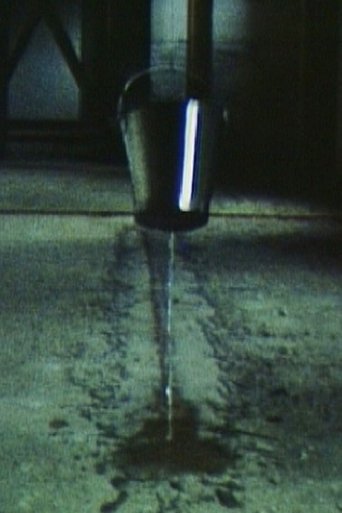
Bucket with Water 1982
8mm film by Swiss artist Roman Signer.
8mm film by Swiss artist Roman Signer.
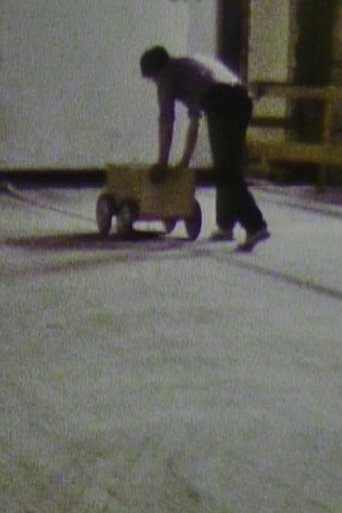
8mm film by Swiss artist Roman Signer.

All the goals from the 1982 world cup

Short film.

Short film.
An elaborately detailed, colorful, and humorous animation.
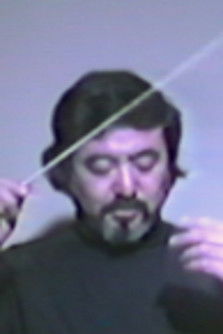
The composer, famous for bridging Japanese traditional music with the European avant-garde, shows off his culinary skills while discussing his artistic practice. Kyoko Michishita: “The internationally acclaimed composer demonstrates how he makes soba dipping sauce, which he takes as seriously as he does music. That speed, that dynamic! It was delicious.”

16mm experimental short film.

Sisyphus-esque life of a dung beetle.

A Gujarati Feature Film.
Historian, political philosopher, environmentalist, and anarchist Murray Bookchin demonstrates how Time magazine obliterates time in this 1982 episode of Paper Tiger Television. Time is soothing. The events in Time look nothing like the events experienced by those at them. The news in Time happens elsewhere, happens to others. Time is reliable. It comes each week, and with it, past, present, and future merge to the point of disappearance. Like television, Time lulls readers into complacency because the news is given an even, consistent tone. All issues are treated the same, with the same bland distance. Time makes a reality so unreal, so colorless. The news in Time comes written and photographed in a comforting tone that treats events as inconsequential and thus encourages a notion of not just a false sense of security, but a sense that our actions are without consequence.
The path of sheep from the pasture to the meat processing factory, during a time of starvation, as told by a shepherd.
"My strong interest in and longing for movies were beginning to take shape, but I still was not clear about what I should create. Therefore, those days it wouldn't be right to say I was using a camera but it was as if a camera was controlling me."

A small village of natives, somewhere in the West Indies, with its ancestral traditions, its hints of superstitions and its beliefs in bewitchments, in an environment of fishermen and cane cutters, with its old sorcerer who says he has the power of life and death.
In the eastern highlands of Papua New Guinea, French anthropologist Maurice Godelier invites five of his Baruya friends and informants to his house to discuss Baruya kinship and rules of marriage. As Godelier poses questions, the kinship rules that provide the cohesive fabric of Baruya culture are brought to life. Abstract terms are given practical meanings as Godelier investigates Baruya customs of stealing wives, exchanging sisters for wives, stealing names and exchanging 'food for blood.'
The story of firearms and the role they have played since the first musket was introduced in this country over 400 years ago.