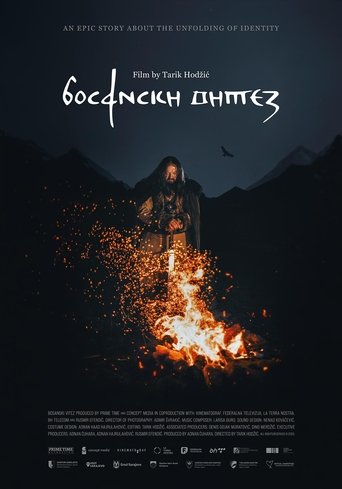
Bosnian Knight 2025
A documentary about the history of the Bosnian national, linguistic, historical and cultural identity, from the earliest written records of their existence until present day.
A documentary about the history of the Bosnian national, linguistic, historical and cultural identity, from the earliest written records of their existence until present day.

Old man Zaim is alone in the world and wants to change that. He is in love with his neighbor Munevera. Munevera doesn't want him. But there are those who do.
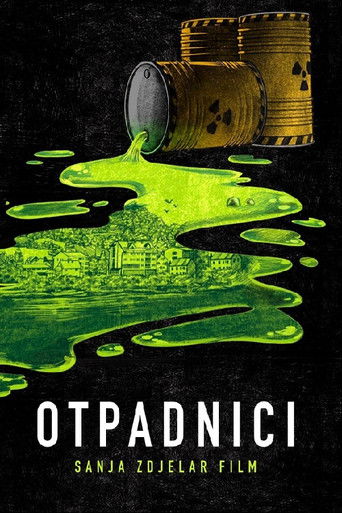
The existence of small Bosnian and Croatian communities is threatened by the impending arrival of a nuclear waste dump.

Documentary film "Dino Merlin: We- Behind the Scenes" shows the background of Dino Merlin's recent concerts in Zagreb and Belgrade, including exclusive footage from the regional tour.

In 1921, with spite, enthusiasm and the abundance of poverty, the workers of the Railways built their football club, and then the stadium where both war and peace were officially declared in Sarajevo in the 1990s. Built, demolished, and again, rebuilt - by the love of his fans. The Valley of Jars - more than a stadium.
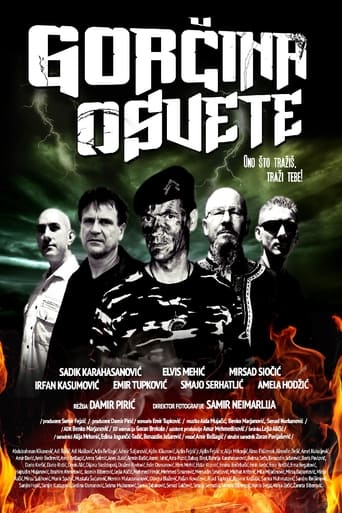
A kung-fu tale from Bosnia and Herzegovina, spiced up with motifs, dialogues and action mas if it hails fro a Chinese movie of the kind about an unknown hero who saves the village.
Portrait of family members during isolation with limited technical resources (phone recording).
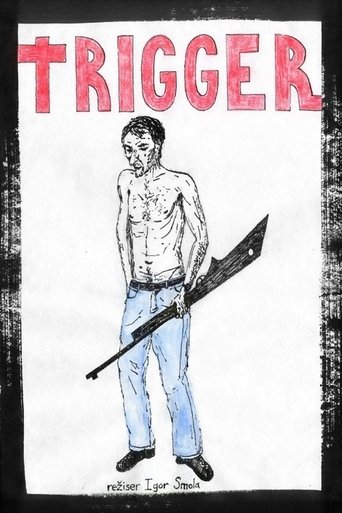
This is a story about the post-traumatic military syndrome development in the former Yugoslavia shown through the prism of irrational experiences of military operations real participants.
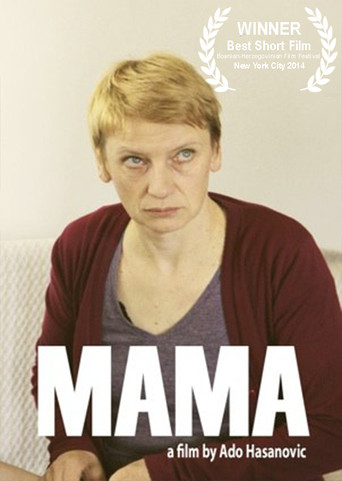
A Bosnian woman is released from prison after 13 years. She comes back home, where she finds her young son and his pregnant girlfriend. With luggage and flight tickets in their hands, they are up to travel to start a new life.
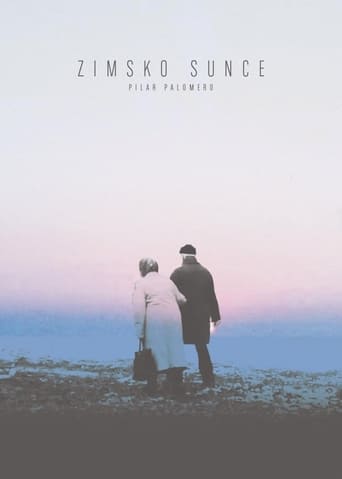
Nana, a 80-year-old lady, needs a surgery. She and her husband, Dedo, had to leave their home in the small village of Hrsa and move temporarilly to Sarajevo in order to wait for the operation.
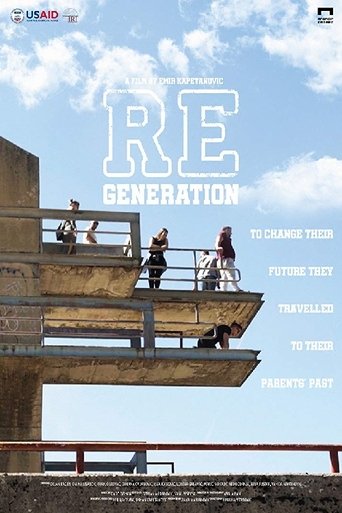
Almost 25 years after war and genocide shattered Bosnia-Herzegovina, can the country's youth show the way to reconciliation, peace, and prosperity?
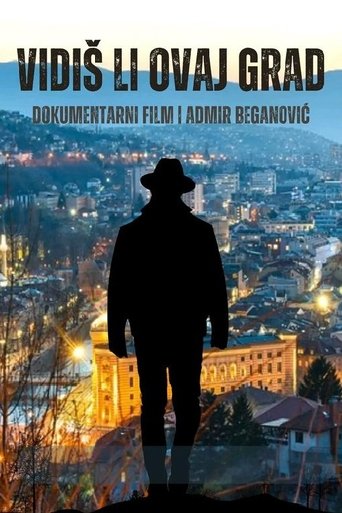
A documentary about the capital of Bosnia and Herzegovina, featuring a large number of celebrities and tells about Sarajevo's urban legends and myths.
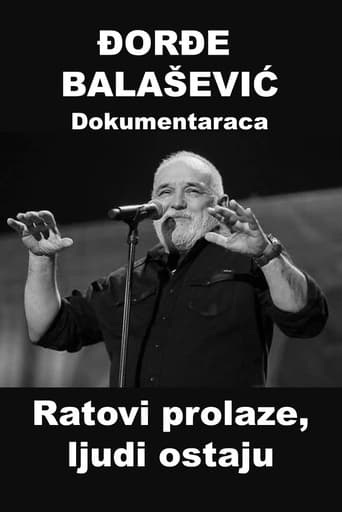
20 years after the concert that marked the first performance of a Serbian artist in post-war Bosnia, Đorđe Balašević returned to Sarajevo. With new songs and unforgettable memories. An emotional two-night performance opened the question – how much has changed in the previous two decades?
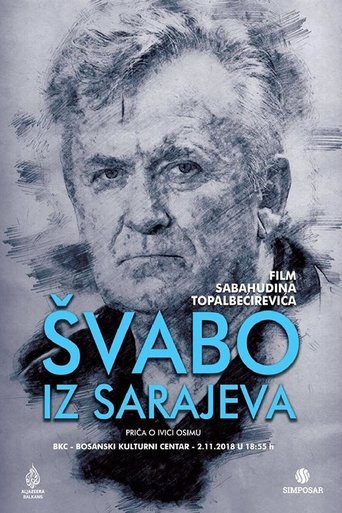
The exciting and emotional story of Ivica Osim, legendary Zeljeznicar football player, started in his hometown of Sarajevo, with a life-long journey through Strasbourg, Belgrade, Athens , Graz and far as Japan. Wherever he worked as a football expert, he obtained the status of a sports legend, the ups and downs, the beautiful and difficult moments of his career. A story of affection for the family, for Sarajevo, but also for love of football.

History of national football team of Bosnia and Herzegovina from war to World Cup 2014 in Brazil.

In Zenica, a giant steel factory belches toxic gasses into the air day and night, making the city one of the world’s most polluted, and people are dying. Samir Lemes and citizen activists from Eko Forum fight an uneven fight for change against the reckless corporation, the local politicians who focus on jobs, investments, and re-elections, and the EU who co-funds the corporation without enforcing laws and international standards. Instead, they name Zenica ‘A Green City Project’, building bicycle lanes in a city where breathing is a health hazard. A film about financial cynicism, political pragmatisk and greenwashing, in which West European countries play a surprisingly big role.
A movie about 100 years of Football Club Zeljeznicar.

Mirjana returns home to attend her mother’s funeral. Now, surrounded by stone in a place where time seems to have come to a halt, she has to face her father and his expectations as well as her own emotions and feelings of guilt.
Where does tolerance reside? Where does individual end and collective begin? And who claims the privilege to grant or deny rights?
