The White Suit

The White Suit 1908

4.50

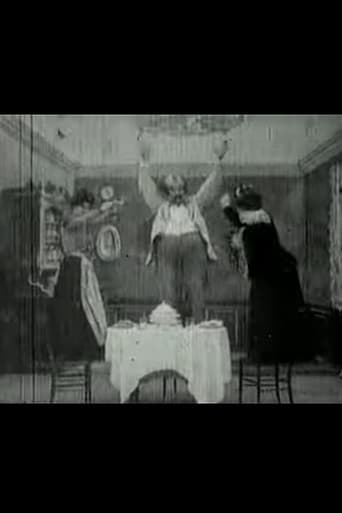
The mishaps of a man who steps into the street wearing his brand-new white suit, and who instantly encounters every conceivable insult to his suit's integrity: a coalman bumps into him, a waiter spills food on him, a painter walks into him.

1908

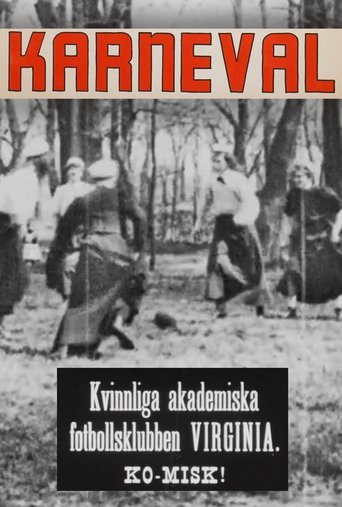
Virginia Women's Academic Soccer Club: Comical!

Virginia Women's Academic Soccer Club: Comical! 1908

1

“Kvinnliga akademiska fotbollsklubben Virginia: Ko-misk!” is one of five films (three of which are now lost) that were made by students at the University of Lund, Sweden, as a part of their 1908 carnival. The film is a parody of female students engaging in sports.

1908

A Kind-Hearted Policeman

A Kind-Hearted Policeman 1908

4.00

In this picture we see a man who is vested with authority to enforce the law, but, unlike the usual sort of men occupying the same position, he is so kind-hearted that ofttimes he is governed by his sentiments, and is very indiscreet in meting out just punishment to offenders, He is patrolling in the country, where lawbreakers are not numerous, but once in a while it will happen that somebody is guilty of an act that is not just in keeping with propriety. His first duty is to arrest a pair of lovers whom he catches kissing, but when he comes upon the love-sick couple, and threatens to arrest them, his heart is softened by their tears, so he allows them to go their way with some good advice.

1908

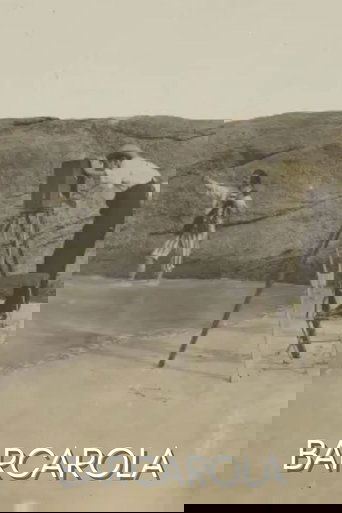
Barcarola

Barcarola 1908

1

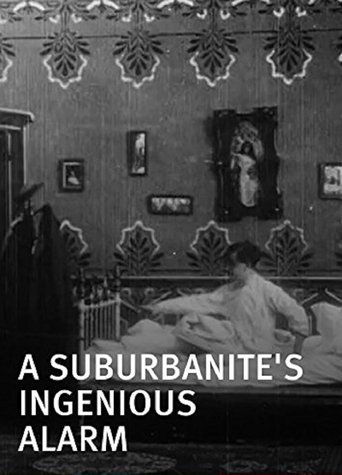
Barcarola is a 1908 Brazilian film directed by Júlio Ferrez. It was the first "sound" film in Brazil, that is, with actors dubbing themselves live, behind the screen, based on already recorded images. Premiered on September 1, 1908. It was produced by the company William e Cia. The film was inspired by the operetta "Les contes d'Hoffmann", by composer and cellist Jacques Offenbach. The film's synopsis is unknown, but given the name, which references the song "Barcarolle", it is very likely that it is inspired by the third act of Les contes d'Hoffmann. Like many films from this era, Barcarola is considered a lost film, with only one surviving image, taken during the film's production.

1908

Wolf Hunt

Wolf Hunt 1908

4.00

An early silent film, made before intertites became common (which is why very early silent films are narrated, at best). This was filmed in 1907 but released in 1908. It was made at the request of Teddy Roosevelt, who saw coyotes being caught in Oklahoma *by hand*, and folks back east didn't believe him. While this movie is called "The Wolf Hunt", it was actually coyotes being caught, not wolves.

1908

A Fake Diamond Swindler

A Fake Diamond Swindler 1908

1

A fraudster is at work in his laboratory, where he pretends to make synthetic diamonds.

1908

Hackenschmidt-Rogers [The Great Wrestling Match]

Hackenschmidt-Rogers [The Great Wrestling Match] 1908

1

Documents one of the most important wrestling matches of the early 20th century between the legendary Estonian strongman Georg Hackenschmidt and the American Joe Rogers. Originally filmed in February 1908 and produced by the well-known Charles Urban, this rare footage is a significant find that offers an authentic glimpse into the golden age of wrestling. The only known film footage of a wrestling match featuring the legendary Estonian wrestler Georg Hackenschmidt, who wins this two-round title match.

1908

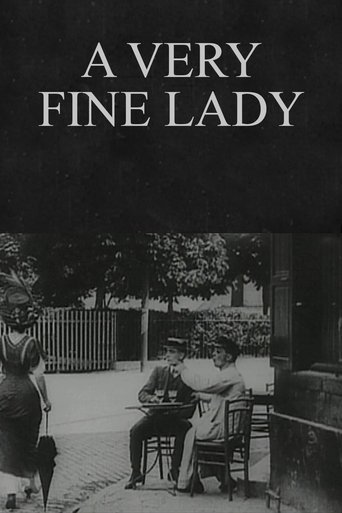
A Very Fine Lady

A Very Fine Lady 1908

5.20

Renée Carl stars in this lively slapstick silent short as a beautiful lady who causes distractions and accidents among the male population as she walks though the streets of Paris.

1908

Le Korrigan

Le Korrigan 1908

1

Yannic, the farmer, falls asleep at the foot of the enchanted Dolmen despite his friends' recommendations, and is soon prey to the most fantastic nightmare.

1908

The Fairy Dragonfly

The Fairy Dragonfly 1908

1

1908 French short silent film by Georges Méliès, which is presumed lost. No English-language release is known for this film,[1] but the translated title The Fairy Dragonfly has been used in film reference.

1908

Miyamoto Musashi: Giant Ape Extermination Scene

Miyamoto Musashi: Giant Ape Extermination Scene 1908

1.00

Among the many famous 16th-century samurai who made the leap from myth and ukiyo-e to early cinema screen was sword-master Miyamoto Musashi, previously depicted in prints by Kiniyoshi Yoshitoshi and others slaying an array of grotesque creatures including giant bats, giant lizards, and the mythical tengu. This imagery informed his first screen depiction in Miyamoto Musashi Taiji No Ba, which showed him combatting the mythic white ape of the mountains.

1908

The Magic Table

The Magic Table 1908

5.00

A family tries to eat dinner, but the table vanishes and reappears, changes shape and location, all in the usual manner laid down by Melies, but here copied by Segundo de Chomón.

1908

Charlotte Corday

Charlotte Corday 1908

1

An early account of Marat's murder, and the subsequent arrest, trial, and execution of Charlotte Corday.

1908

The Bee and the Rose

The Bee and the Rose 1908

4.20

This French film isn't that well known today but it will mainly appeal to those film buffs with a thing for early cinema or those wanting to see some fantasy sequences but those there will probably be disappointed. The film runs just a few seconds short of four minutes as several women are dressed up as bees dancing around their hive. The "Queen Bee" goes to take a nap and she's attacked by a spider. The spider sequence is what gets this film a mention by fantasy fans but sadly this scene takes place around the 3:13 mark and lasts just a few seconds.

1908