
Uogashi no senpū musume 1963
1963 Japanese movie
1963 Japanese movie
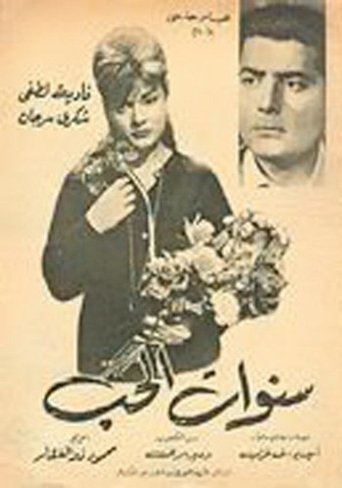
The work revolves around the love story between Nadia and Adel. On the day they agree to meet, Adel is forced to travel suddenly and sends a letter to Nadia, but it does not reach her, which leads her to despair and agree to the engagement of Adel Fathy's brother. Adel returns from his trip and events escalate.
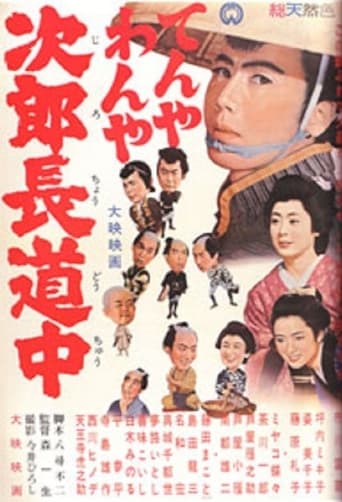
An entertaining historical drama featuring popular comedians from the Kansai region of the time, such as Makoto Fujita, Minoru Shiraki, and Gannosuke Ashiya. Raizo Ichikawa as the famous yakuza boss Jirocho.
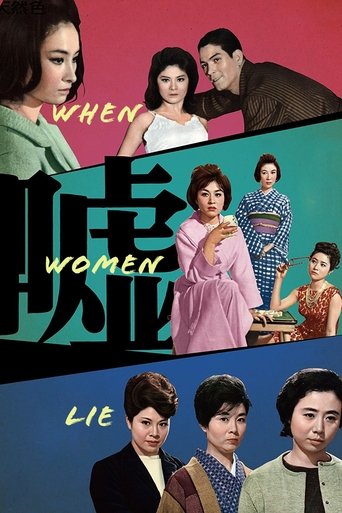
Three stories about the relationship between men and women: "Playgirl" (Masumura/Shirasaka), "Company No. 2" (Yoshimura/Kasahara), and "San Nyotai" (Kinugasa/Shindô).
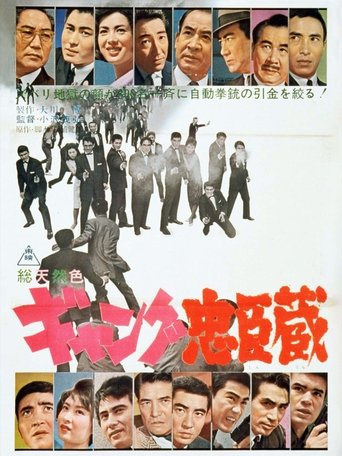
A modern gang version of Chushingura, chronicling almost scene for scene the Brave 47 Ronin story, transposed from the Genroku Period to the Showa Era.
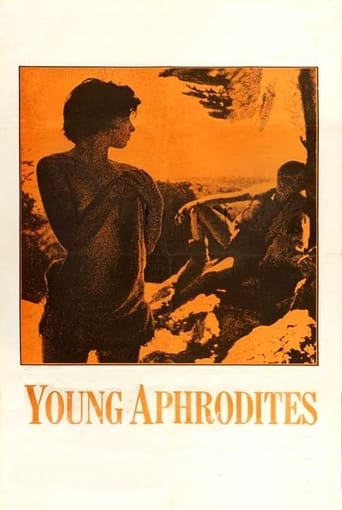
200 BC. During a merciless drought, the brute nature of man and the delicate essence of woman become inextricably intertwined, as the omnipotence of the carnal instinct demands the total surrender of the flesh.
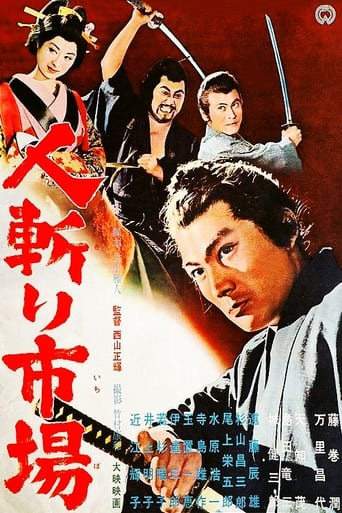
Nagasaki at the end of the Edo period had the taste of a criminal paradise, where, despite the exotic, dangerous work was always in demand. Here, three wandering samurai who earn their living by killing get to know each other. Soon they learn that government officials will be transporting a large cargo of gold and decide to steal it.
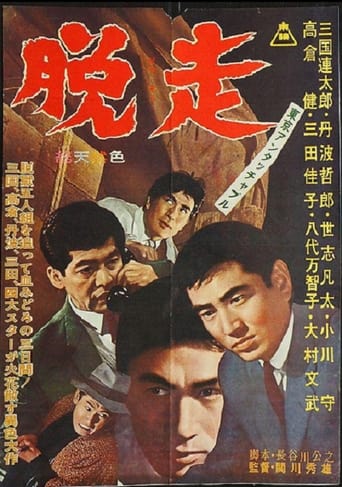

After a drunken spree on a cruise ship, two women discover that they're pregnant, and set out to find who the fathers are.
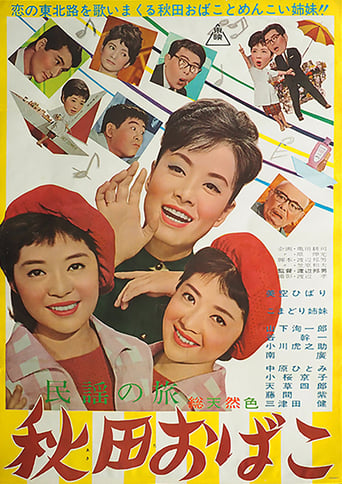
A cosmetics saleswoman falls for a rival executive.
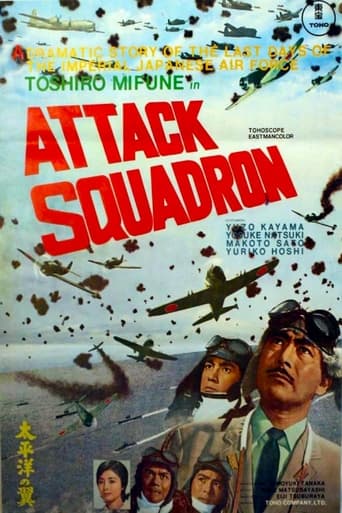
Lt. Col. Senda resists the idea of sending Japanese fighter pilots on suicide missions. He believes that what is really necessary for Japan to regain momentum in the war is for the air force to gather its most brilliant pilots into an elite squadron and use the unit to pinpoint attacks on the Americans. Disrespected by the kamikaze pilots who think the "non-suicidal" pilots are afraid, the unit redeems itself by stunning victories. But success leads the military leaders to expect too much of the unit, and new orders portend disaster.

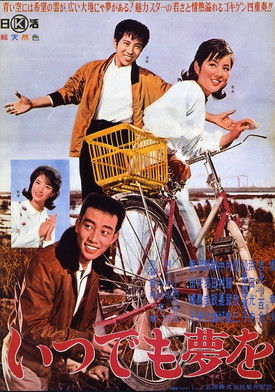
This is a factory area in downtown Tokyo, and Hikaru, nicknamed Pika-chan, is a nurse at the Mihara Clinic, a friend of the poor.
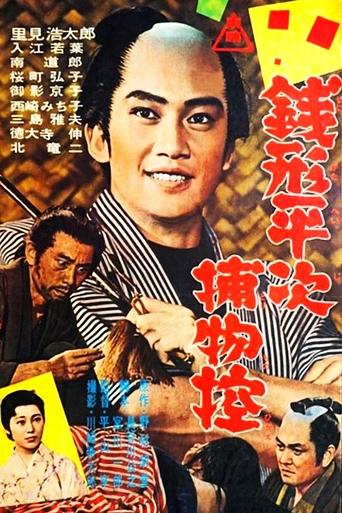
The film tells about a young detective Zenigata Heiji who successfully solves a disgusting and unusual case involving the manufacture of counterfeit money.
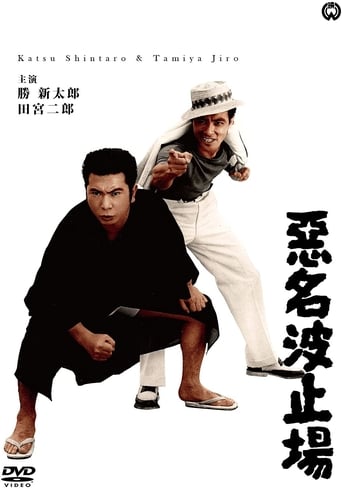

A royal delegation faces death when it returns with a document from the King of China with the royal signature spelled wrong. The leader of the delegation is sent back to China to correct the mistake before he and his associates are executed
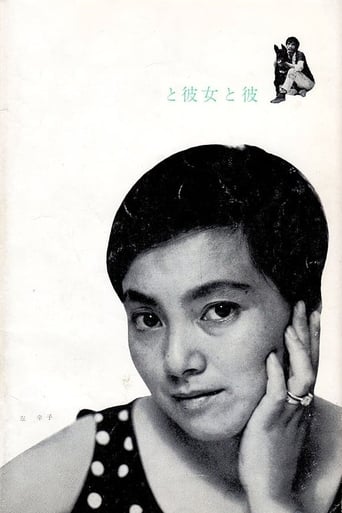
As her husband Eiichi becomes more entangled in his life as businessman, Naoko looks for ways to expand her own life even as her husband's life shrinks in scope and intimacy. She finds new interests, new love, and a greater sense of her place in the world.
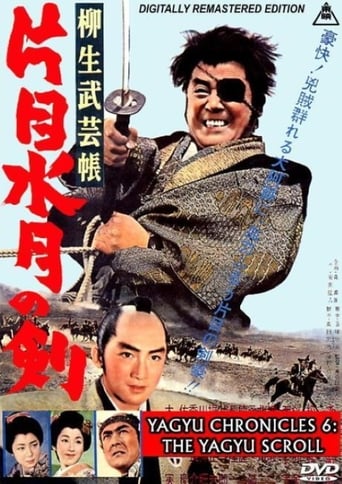
When the country is in peril, Lord Yagyu Tajima summons his son Yagyu Jubei to retrieve the mystical Yagyu Scroll in order to save all of Japan. This time, Jubei must stop the evil plot of Lord Hayato-no-sho, who secretly plans on overthrowing the Shogunate. This is the most exciting film in the long-running series about one of the greatest swordsmen in Japanese history. Konoe Jushiro gives one of his finest performances in this classic tale.

Hideo Ishizaki, who was painting on the shore of the lake, saves a woman named Keiko.

A Shaw Brothers production
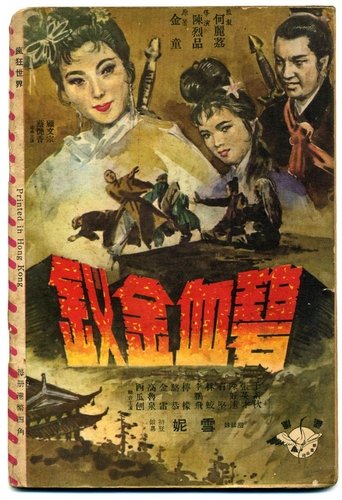
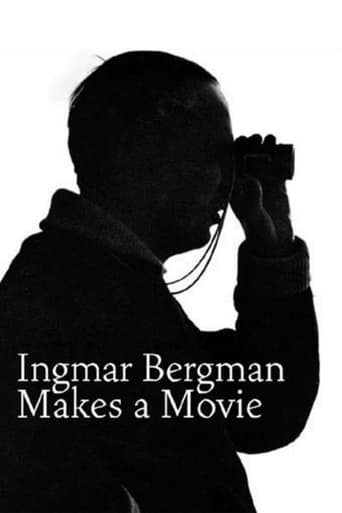
The year is 1961 and Ingmar Bergman is making a movie. While planted on the scene as apprentice to Bergman, Vilgot Sjöman (director, I Am Curious–Yellow, 1967), suggests to Swedish Television that they take the opportunity to record with the acclaimed director. In August, Sjöman and the television crew begin to capture what would become a comprehensive five-part documentary on the making of Winter Light, offering views of script development, set construction and lighting, rehearsals and editing, as well as intimate conversations with Bergman and members of his cast and crew. Footage from the film’s Swedish premiere delivers immediate audience reactions and the critics’ reviews the following day.
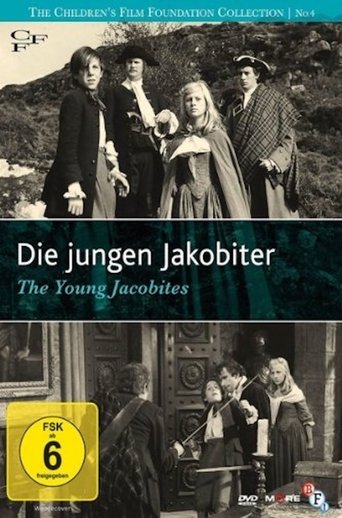
Two children on holiday on The Isle of Skye, Scotland, go back in time and help Bonnie Prince Charlie escape from Scotland to France.
"The Beards" - The framework was that the participants would produce a relatively current entertainment program titled Concrete. During the meetings ideas and sketches were presented. Most of it was rejected.
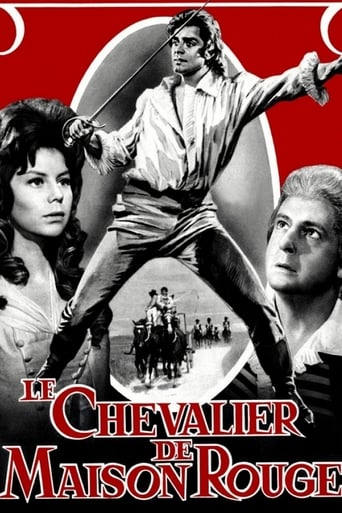
This historic mini-series is set just after the execution of Louis XVI and follows the actions of a group of loyal royalists, led by the Chevalier de Maison-Rouge. His goal is to free Queen Marie-Antoinette and the young King Louis XVII, but he runs into the brutal jailer Simon who makes sure to thwart any attempt to escape. A secondary plot line deals with the feelings of Lindet, the lieutenant of the national guard, towards Geneviève, the young protege of the royalist Morand, which for the sans-culottes is a crime in itself.
Mario is a German television series.
Rod Rocket is the first animated cartoon with production credited to Filmation, debuting in syndication in 1963.
There are two sides in every war and millions of different stories to share from each battle fought. From Iwo Jima to the Siege of Malta, each episode of Battleline tells the story of extraordinary events of World War II from the point of view of both the victor and the vanquished.

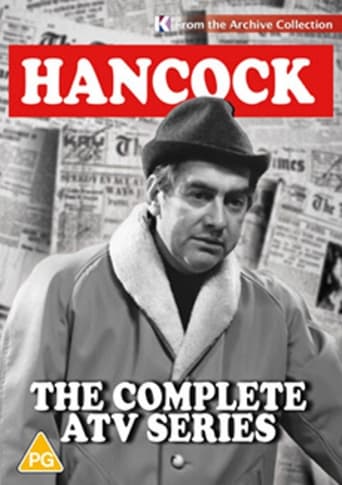
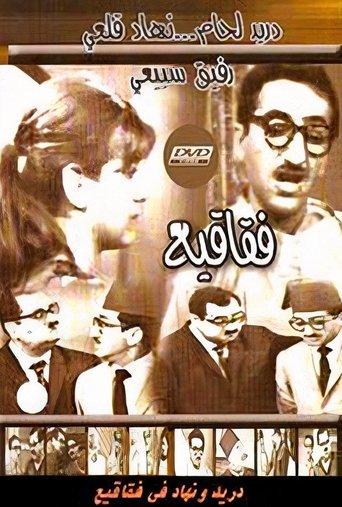
The series discusses a variety of social issues within a framework of separate episodes, and through a series of comedic events that simulate society, such as hypocrisy, science, and other issues
The story about a clerk in an insurance office situated next door to a cafe.

heute is a television news program on the German channel ZDF. The main program is broadcast at 19:00, and includes news, with an emphasis on political news from Germany, Europe and the world plus 'mixed' news from cultural life or entertainment, and the sports news with an extra presenter. The weather forecast comes up at 19:22 after a break with commercials. The opening sequence of each broadcast features an analogue clock, a signature element of the program. The newscast “heute” of ZDF and the 20:00-Tagesschau of ARD/“Das Erste” are the main broadcasts of German public TV starting the evening programme. Advertisement can not be shown in public TV after 8:00 p.m.


