
Last Gasp 1981
A dusk-till-dawn document of the dying gasps of my beloved Kodak Supermatic 200.
A dusk-till-dawn document of the dying gasps of my beloved Kodak Supermatic 200.

In Painting Room Lights a performer paints four fluorescent lamps and makes a drawing of a landscape with a rectangular solid in the foreground. He also makes a drawing of a room in one point perspective. Two four foot fluorescent lamps stand in the foreground and two eight foot fluorescent lamps stand in the background. The drawing of the landscape and the drawing of the room appear to be made on a white surface (the film is in negative and the lights are turned off in the room). A deep space is revealed behind the drawings when the fluorescent lamps are turned on in the background. The performer then paints the fluorescent bulbs. As the lamps are painted the room disappears and the drawing seems to be again on the flat surface. The drawings are cut with scissors and they fall out of the film frame. The process is repeated with the lights in the foreground. The film is in color and the fluorescent lights are green. The negative film effectively casts the scene in red.
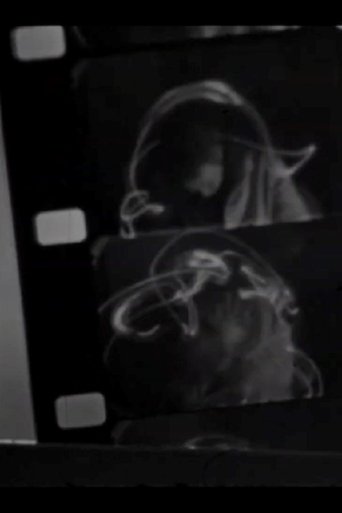
Experimental film on 16mm by Ioan Pleș as part of Kinema Ikon.
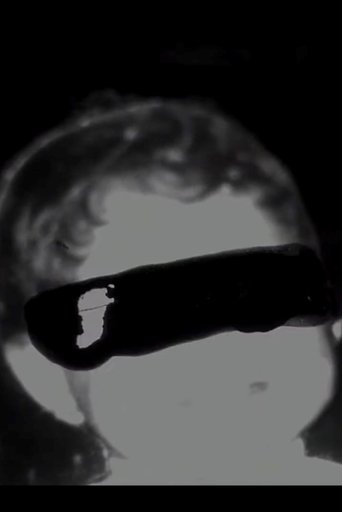
Experimental film on 16mm by Emanuel Țeț as part of Kinema Ikon.
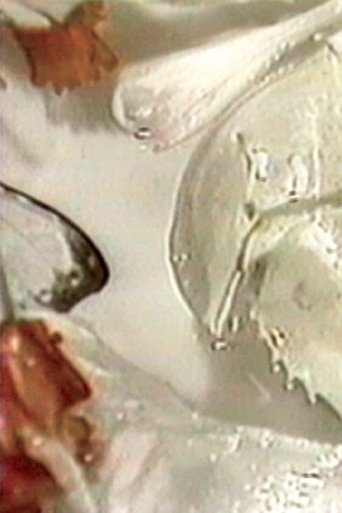
Symptomatic Syntax is a recreation of an ecological environment in which natural forms — leaves, flower petals, butterfly wings — form an ever-changing, visually compelling series of compositions. Juxtaposed with these organic forms is a series of texts that examine time, logic, and the dichotomy between the mental and the physical. This complex fusion of the sensual and the cerebral questions the understanding of time and natural progression.
The work 'Labyrinth' opens with grainy and aged sepia tone images of the artist textured with film scratches. These images are set to the sound of an old film projector evoking a nostalgic and retro feel, as if the artist is evoking memories of herself. In the opening scenes we are introduced to a still shots of the artist performing different facial expressions. America plays with the notion of capturing differing moments in time. This is done in a stop-frame mode, where single frames of her expressions are placed one after the other creating a rickety and shaky feel to the movement of the imagery. As the work progresses, America multiplies the single frame in a grid across the screen.
In the work, we are immediately introduced to the face of the artist looking directly into the camera, confronting the viewer, openly, unwavering and clear. Throughout this work America performs slight variations in head and facial movement to a repetitive and absurd soundtrack. The face is presented as a blank yet mechanically expressive canvas and the expression in her eyes is non-directional and unemotive. This isolation and exaggeration of the different parts of her face gives the viewer the impression that what we see is an object rather than a person or individual. The visual composition is supported by a repetitive percussion beat with Jazz overtones and synthesizer sounds.
1981, 01:00:16
Sculptures are the eyes of the walls and have wartime battle scars. A reflection on changing times with a collage of archival street scenes.
Jaime Davidovichn searches in vain for the meaning of "avant-garde".
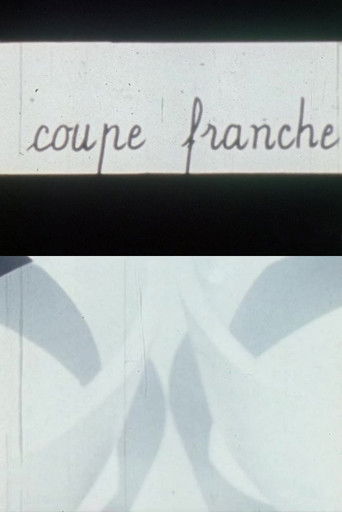
A series of variations of abstract forms taken by "cuts" from objects in my daily universe, is an attempt to abolish the subject in favor of cinematographic language.
Featuring cameos from several international artists including actress Elizabeth Shepherd and CBS Records’ group The Industrials along with many other American performers! An amusing and surreal comment on the ‘film-within-a-film’ sub genre as expounded in the 1960’s by Fellini, Truffaut et al. —LUX
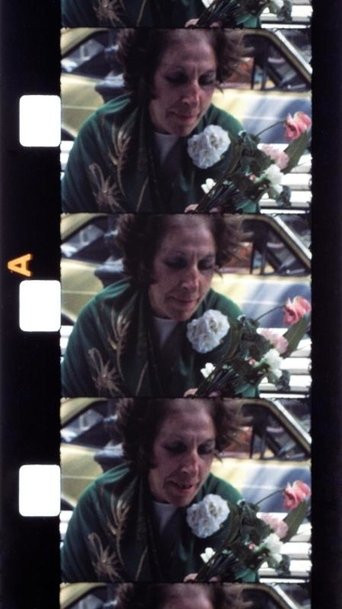
Outtakes from the movie

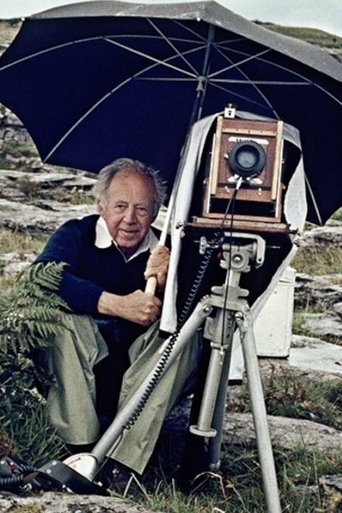
In 1935 photographer Willard Van Dyke moved to New York with the belief that films "could change the world" and began a new career as a filmmaker. His name soon became synonymous with social documentary in the U.S. His images of cottonfields, steelmills and industrial towns, and his portraits of unemployed factory workers and their families, provide an invaluable chronicle of those years and have become timeless examples of cinematic art. A candid portrait of a distinguished and outspoken man, this film includes conversations with colleagues Ralph Steiner, Joris Ivens and Donald Richie; footage of Edward Weston, his close friend and mentor; and many excerpts. It explores the dilemma of anyone with a social conscience who must face the harsh realities of earning a living while retaining their integrity. And it reveals a man in his seventies still determined to do good creative work.
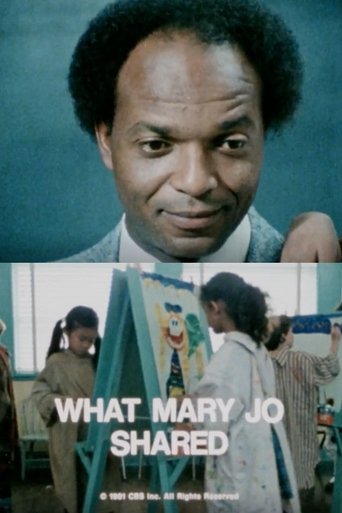
A short film for school kids about the importance of sharing.
The Luggage comprises an array of intertwined scenes featuring activities with such props as a TV set, high-heeled shoes, mirror, torch. The film emanates physical tension, accentuated through dynamic editing and the aesthetics of compulsive repetition, characteristic of Sosnowski’s practice. It presents murky explorations, shaky scenes of convulsion, magic rituals with an undertone of eroticism.

Exploiting the painterly 'smear' quality of undercranked 6 fps projected S-8: Shadow hunts, I follow. - Gary Adlestein
"Long live dynamic geometry, the movement of points, lines, surfaces, volumes ...." - Dziga Vertov Uses precisely (mathematically) determined single-framing to give movement to static space, to give life and energy to solid objects, to duplicate/mimic the eye's true movements, to forcefully bring to consciousness an inherent symmetry and balance in the visual field. Images: deadened railroad tracks, ice plant fields, Bethlehem Steel smokestack, Canyon Cinema office, back porch clouds and sky, PG&E plant at Moss Landing ....
