
Cinderella 1898
An adaptation of the folk tale.
An adaptation of the folk tale.
Film adaptation of the famous French folktale by Georges Hatot.
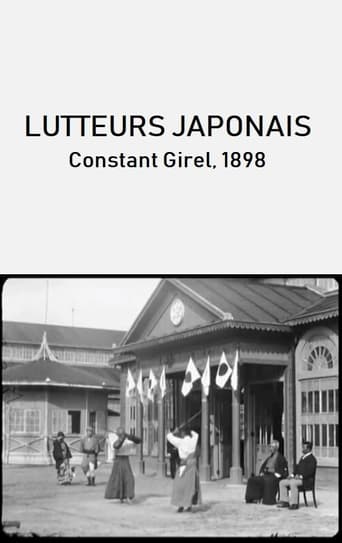
Two fighters, in traditional costume, taking part to the national kendo tournament.


Vitagraph’s Battle of Santiago Bay (1898) blended real Spanish–American War footage with tabletop trickery. Albert E. Smith’s authentic San Juan material looked underwhelming, so he and partner J. Stuart Blackton staged the naval clash on a miniature set: cardboard ships afloat in shallow water, firecracker “explosions,” and clouds of smoke from cigars and cigarettes. Spliced together, the hybrid film was embraced as genuine by audiences and became one of the most popular war films of its day.
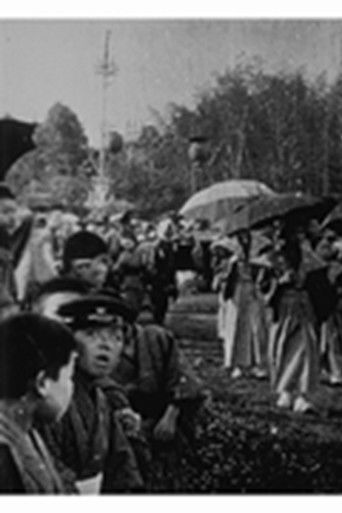
Passage of a Shintoist procession, whose members carry banners and lanterns, somewhere in Kyoto.
A lost film. Georges Méliès also directed a film entitled Faust aux enfers in 1903 that is frequently confused with this one, but it has little to do with the story of Faust.
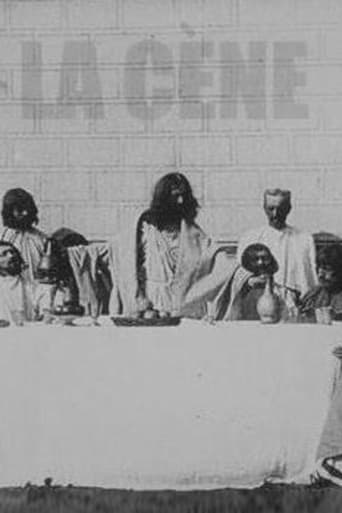
Scene of the last supper.
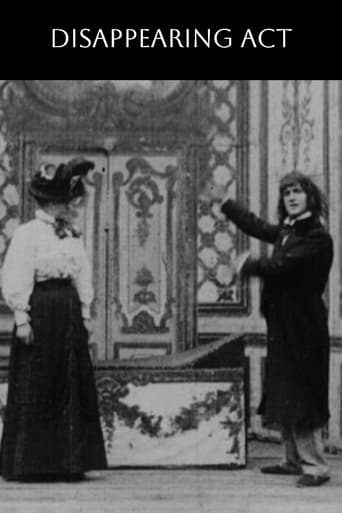
An illusionist makes a woman disappear in thin air. There is no credited director for this film, although three different persons get attributed, Gaston Breteau, Alice Guy or Georges Hatot.
Papa is reading his newspaper and his little girl tickles his neck with a long straw. Thinking it is a fly papa "shoos" away the supposed fly with his hand…
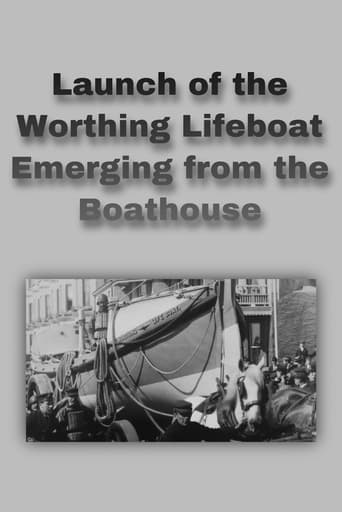
"The Worthing Station is some distance from the shore, and whenever there is a wreck the life-boat is dragged to the scene on a huge truck drawn by eight horses. Our picture shows the life-boat responding to an alarm. The horses start out from the station at a gallop, and the members of the crew run beside the boat. This negative is unusually fine photographically."
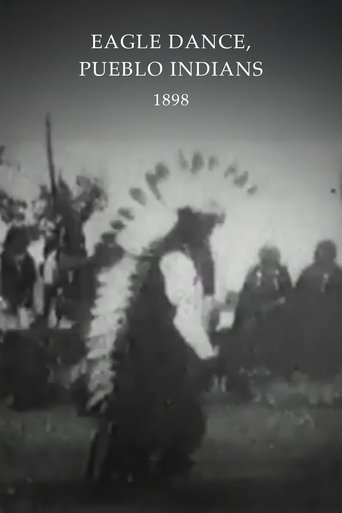
Filmed in 1898 by Edison cameramen, this actuality records Pueblo dancers performing the traditional Eagle Dance. The performers, clad in feathered regalia and accompanied by drumming and chanting, move in rhythm to mimic the movements of the eagle. Intended to showcase Native American ceremonial life for early motion picture audiences, it is among the earliest surviving films of Indigenous rituals, though staged for the camera in keeping with late-19th-century ethnographic spectacle.
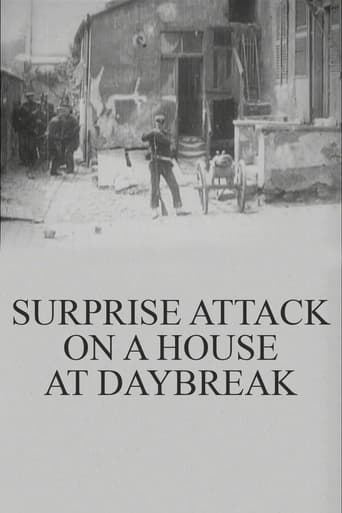
Soldiers ambush a house. This is Gaumont's version, not to be confused with the less accessible Lumière of the same title from the same year. There is no director credited for this film, but the GP archives attributes it either to Gaston Breteau or to Georges Hatot (but not to Alice Guy). Since Gaston Breteau worked earlier for Lumiére and remade some of his films for Gaumont, he seems the most probable option.
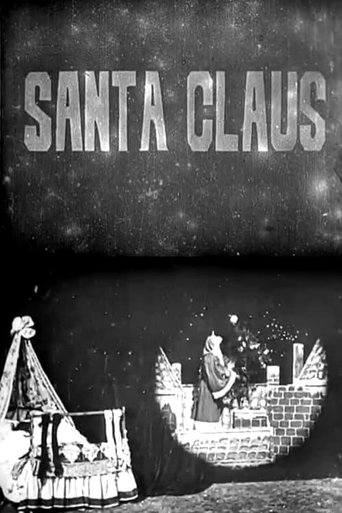
Santa arrives at a house on Christmas Eve to deliver his presents for the children.
Directed by James H. White.
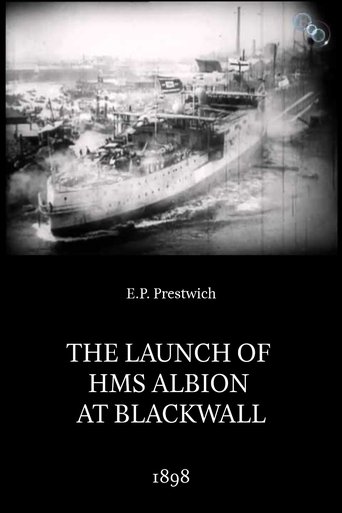
The film documents the launch of HMS Albion at Blackwall on the 21st of June, 1898—an event that was witnessed by 30,000 onlookers, 37 of whom lost their lives when the jetty upon which they were standing became washed away by the resultant swell.
