
An Up-to-Date Conjurer 1899
A film from Méliès has him playing a magician who does a few tricks including making a woman disappear.
A film from Méliès has him playing a magician who does a few tricks including making a woman disappear.
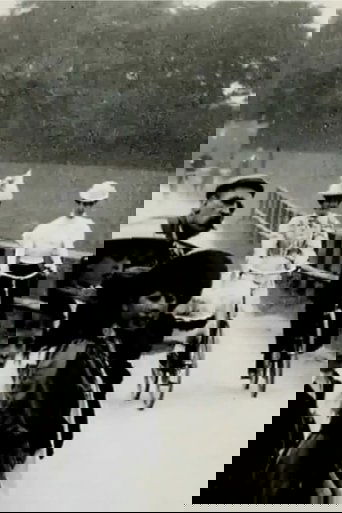
This is a ladies cycling display by the Catford Cycling Club in the summer of 1899 in London, England.

Kidnapping by Indians is a 1899 British silent short Western film, made by the Mitchell and Kenyon film company, shot in Blackburn, England. It is believed to be the first Western film, pre-dating Edwin S. Porter's The Great Train Robbery by four years.
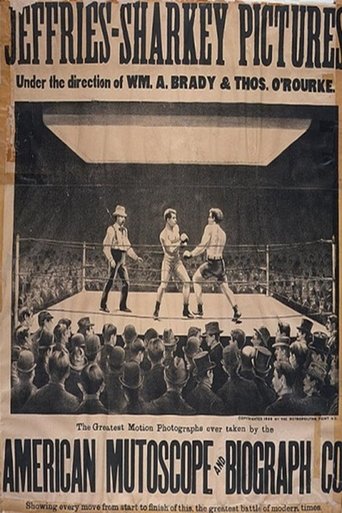
Twenty-five round fight.

A cab is hailed in front of a palatial mansion by a gentleman who wishes a score of people driven to another part of the city. A clown jumps out and a satisfactory agreement is made between the clown and the gentleman, and a score or so of persons are hustled in one at a time until the clown succeeds in piling in the whole lot except Bridget, who is carrying a child. The persistent clown, in order to assist the nurse, who tips the scale at 400 pounds, takes the child from her. After caressing it he tosses it on top of the cab. He then picks up a board and uses it with good effect on the extremities of the fat woman, until she is forced into the cab, which drives away with its load of humanity.

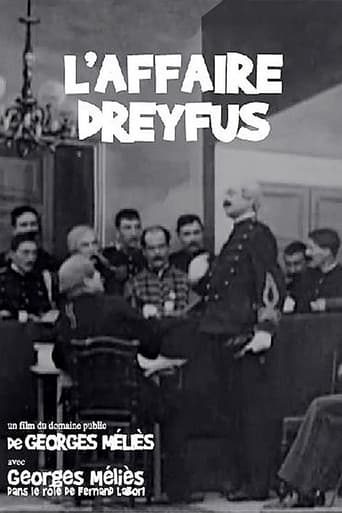
The first movie ever censored for political reasons. The title refers to the then contemporaneous Dreyfus affair in which a Jewish military officer was falsely convicted of treason, and it was alleged that he was framed due to anti-semitism.
A reel of the Noh drama Momiji-gari, in which Danjuro Ichikawa played opposite Onoe Kikugoro V as an ogress who has disguised herself as the Princess Sarashina. Filmed by Shibata Tsunekichi in the open air on a windy day in November 1899, Danjuro would allow only the one take, so that when his fan blew away in mid-performance the scene had to stay. The film re-emerged at the Kikikan theatre in 1907 where it was a great success and inspired a wave of fiction filmmaking based on traditional Japanese narratives.
A young woman in traditional Japanese attire fixes her hair and kimono while her servants assist her.
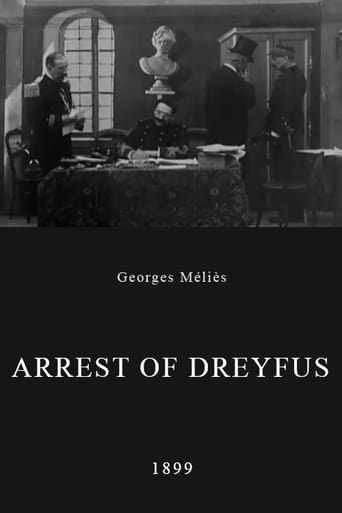
Du Paty de Clam requests Captain Dreyfus to write as he dictates for the purpose of ascertaining whether his handwriting conforms to that of the Bordereau. He notices the nervousness of Dreyfus, and accuses him of being the author of the Bordereau. Paty de Clam offers Dreyfus a revolver, with advice to commit suicide. The revolver is scornfully rejected, Dreyfus stating that he had no need for such cowardly methods, proclaiming his innocence. His arrest is immediately ordered by M. Cochefort.
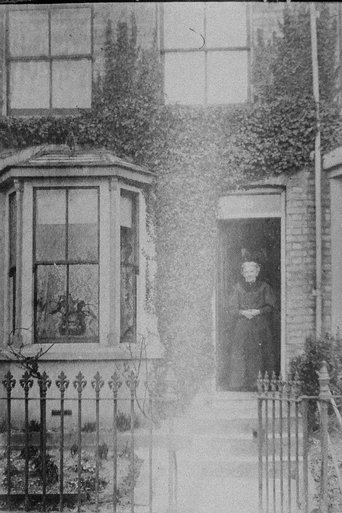
A countryman goes to see a spiritualist and is frightened by what he sees.
A crowd passes by the camera.
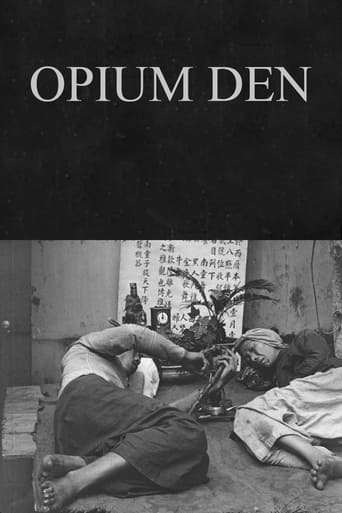
A century-old film depicting opium smokers in French Indochina (Vietnam).
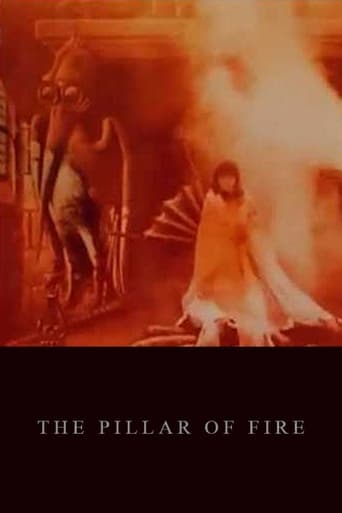
A devil wearing bat-like wings and brandishing a trident dances around a giant pot, conjuring forth flame from his trident to lit a fire beneath the pot. After the devil works the fire with bellows, an angelic woman emerges from the pot. The devil and the pot vanish as the woman performs a dance, waving about her diaphanous sleeves until she conjures forth another fire, then she rises amongst the smoke into the air.
Wilhelm II. arrives in Haifa, Israel.
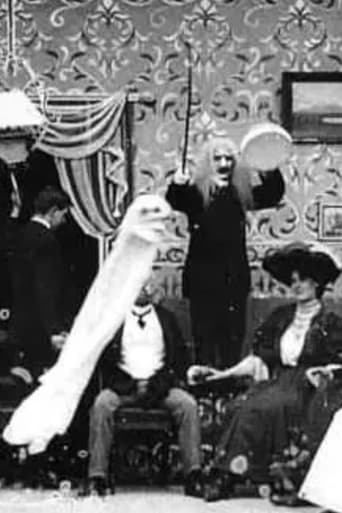
A miser dies of shock when the ghost of a poor woman appears.
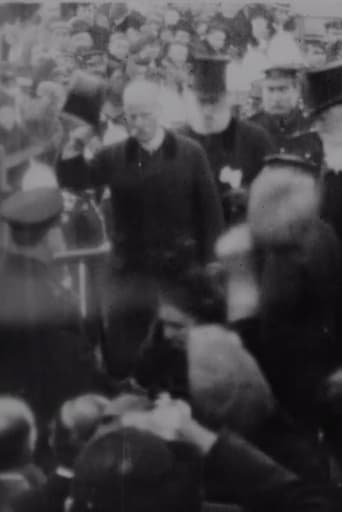
An actuality and reportage film. This film captures Lord Frederick Roberts (British Army rank Field Marshal) departing England for South Africa on 23rd December 1899, where he commanded British forces for a year in the Second Boer War. The ship in this film is the RMS Dunottar Castle. Going with Roberts is his chief of staff, Lord Kitchener, whose future role as Secretary Of State for War during World War One awaits him. This film was produced and distributed by the Warwick Trading Company, a London based company at its peak at this time, involved in the majority of British films.The Warwick Trading Company specialised in travel, reportage and actuality films and had substantial catalogues. Charles Urban had taken over as managing director in 1897 and was in that role when this film was produced. According to the BFI programme entry, the company had a large amount of resources already in South Africa. This meant they could capture historic moments as part of its Boer War coverage.
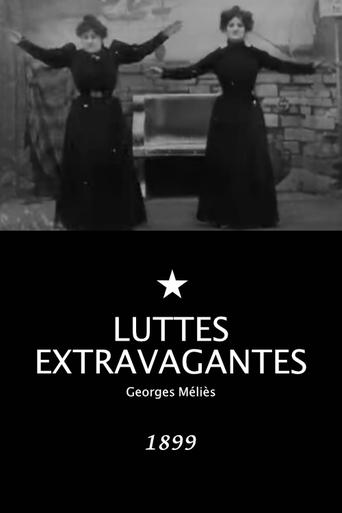
In a square room, two men and two women, in white body-hugging clothes, try on wrestling holds, each with a partner of the same sex.
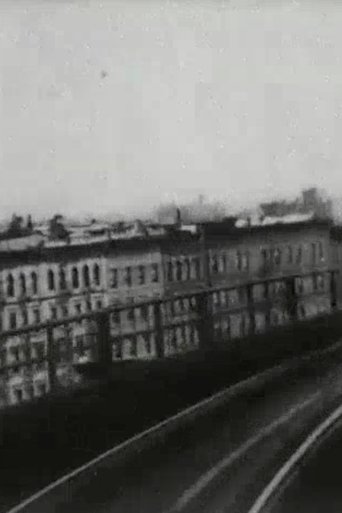
Taken from the front platform of a special train run backward over this celebrated S curve. Not only are the passing trains and crowded platforms of great interest, but the view of uptown New York is an excellent one, showing acre upon acre of roofs, towers, steeples and towering apartment houses. As the 'special' slows up at 92nd street, a Harlem express dashes by, the engineer leaning out of his cab, and waving a good-bye.
“This is a new negative showing the entire trip from Brooklyn to New York, in which the immense towers stand out clear and distinct against the sky. Positively the best picture of the Brooklyn Bridge yet secured.” (Edison film catalog)
