
Danse japonaise, III : Gueichas en Jinrikcha 1899
Women getting onto a rickshaw.
Women getting onto a rickshaw.
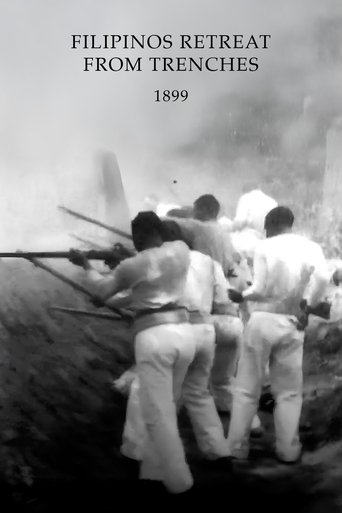
Reenactment of action in the Spanish-American War.
A military procession.
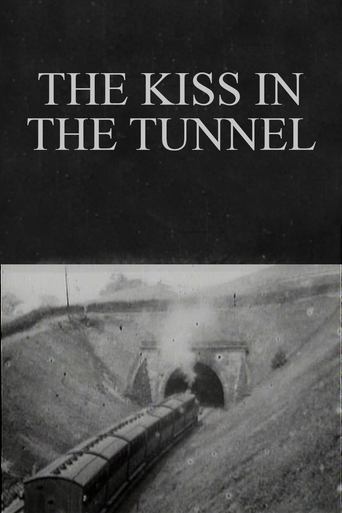
A train heads for a tunnel. In one car, a restless man smokes, and a woman is reading on the seat opposite him. In the darkness of the tunnel, he rises, crosses over to her seat and the two share a willing embrace and kiss. The train steams out of the tunnel toward us and past us. A Bamforth Films remake of George Albert Smith's The Kiss in the Tunnel (I) (1899).
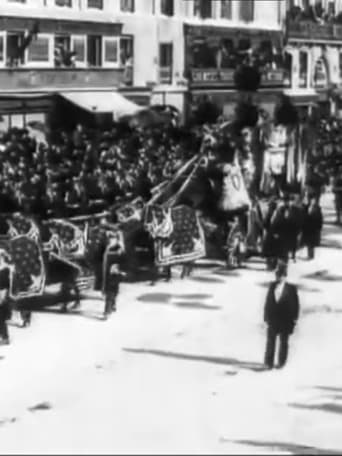
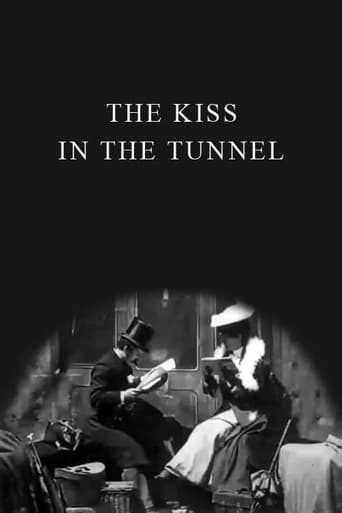
Produced and directed by George Albert Smith, the film shows a couple sharing a brief kiss as their train passes through a tunnel. The Kiss in the Tunnel is said to mark the beginnings of narrative editing. It is in fact, two films in one, hence the 2 min length. Firstly, the G.A. Smith film here for the central cheeky scene in the carriage. The train view footage however is Cecil Hepworth's work, entitled 'View From An Engine Front - Shilla Mill Tunnel', edited into two halves in order to provide a visual narrative of the train entering the tunnel before the kiss and then leaving afterwards. More information about the filming of the phantom train ride can be found searching for the Hepworth film separately.

Showing room at the military prison at Rennes in which Dreyfus the accused is confined. He is visited by his counsel, Maître Labori and Demange, with whom he is seen in animated conversation. A visit from his wife is announced, who enters. The meeting of the husband and wife is most pathetic and emotional.
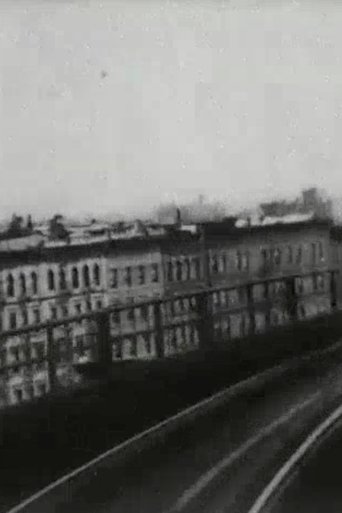
Taken from the front platform of a special train run backward over this celebrated S curve. Not only are the passing trains and crowded platforms of great interest, but the view of uptown New York is an excellent one, showing acre upon acre of roofs, towers, steeples and towering apartment houses. As the 'special' slows up at 92nd street, a Harlem express dashes by, the engineer leaning out of his cab, and waving a good-bye.

Vietnamese children collect coins that are thrown them by two aristocratic ladies.

One of eleven installments of The Dreyfus Affair (L'affaire Dreyfus), a docudrama reconstructing the historical Dreyfus Affair, which was still playing out as the series was being filmed. This film is the last of the 11 installments in the "Dreyfus Affair" film series by Georges Melies. Notable for the fact that this last segment was banned from the public as disputes broke up at the viewing of it, and today it is one of two films that is currently not available to the public.
“Showing a group of soldiers and Red Cross nurses being amused by a number of small children who are riding upon the backs of trick bears. A remarkably fine picture, with U.S. Infantry camp in the background.” (Edison film catalog)
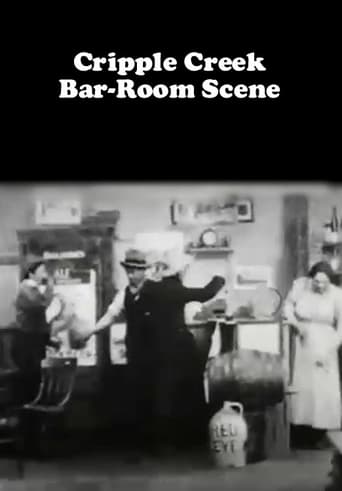
Rowdy patrons visit an Old West saloon.
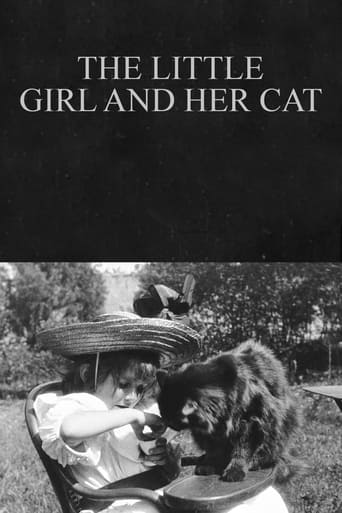
A little girl sits at a table, holding a container of what appears to be some sort of food. Suddenly there's a flash of movement: a tortoiseshell cat, with long hair and a very furry tail, has leapt onto the table.
One minute clip of the famous Paris boulevard.
'Armed Robber Shimizu Sadakicchi' is considered Japan's debut film and came on the heels of the country obtaining its first film camera. It famously was only a couple of minutes' long as its film reel was only seventy feet long. It featured who is considered to be Japan's first film actor Unpei Yokoyama who was one of two actors in the film. It features one scene where a robber is apprehended by the police.
View of the German and Italian royal processions, at the iron mines of Monteponi.
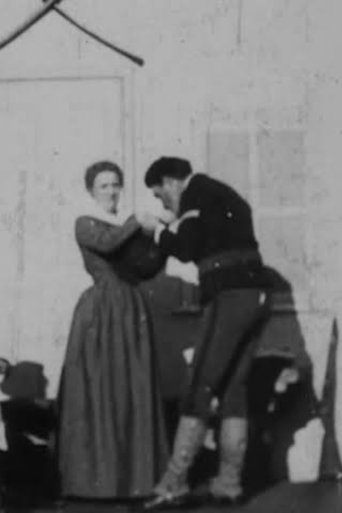
A soldier is promoted for bravery, marries a Red Cross girl, and goes home to his parents.
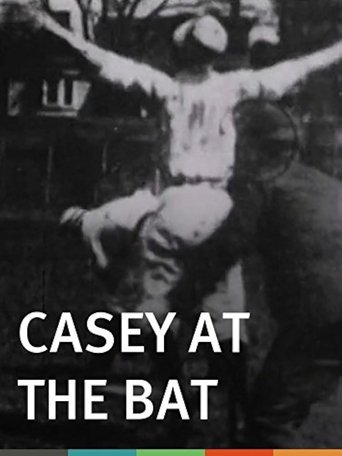
"The umpire makes a decision that Casey doesn't like, and an argument follows, during which Casey deftly trips him up, and continues the argument on the ground. The other players run from the bench and join in the rumpus. The fielders come running in and the pile on the home plate looks like a foot ball scrimmage. A solemn warning to all rotten umpires."
