The Heart of a Mother 1993
An elderly woman, who lives with her nephew, starts losing touch with the living.
An elderly woman, who lives with her nephew, starts losing touch with the living.
Border guards discover footprints in the snow near the border and become suspicious.

A normal day in Psychiatric Hospital in Shtime. Images that cannot be seen elsewhere, wrong prejudices, a lot of words by the patients, but still there is a huge silence.
Lisimaku is constantly assigned to replace the women of the enterprise during their maternity leave. Lisimak's growth in character is achieved through unexpected situations where comics intertwine with drama.
After the foreign specialists leave, engineer Lulëzim is left in charge of building the Fierza Hydroelectric Power Station.
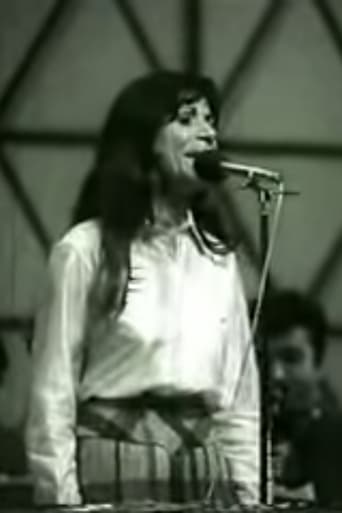
No one knows why for certain, but from 1968 to 1973 communist Albania enjoyed a brief liberalisation in the arts. Banned books and Beatles records changed hands. Albania’s Nobel-nominated novelist Ismail Kadare wrote two of his most famed masterpieces, Kështjella (The Castle) (1970) and Kronikë në gur (Chronicle in Stone) (1971) during this period. The rock'n'roll and jazz arrangements featured in this concert documentary were the pretext that brought about the end to the artistic thaw. Several performers seen in the festival were sent to prison or internal exile. The portly, smiling music conductor, Gasper Çurçia, was later accused of forging bus tickets and executed.
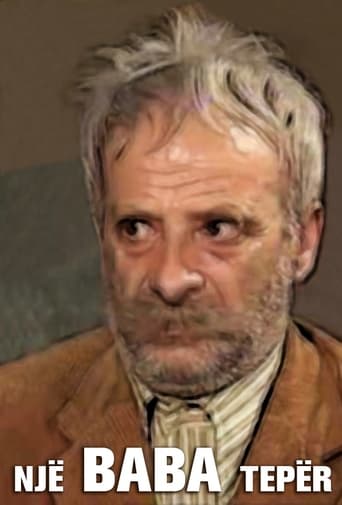
A tragicomedy in which an old man has two sons but neither of them, influenced by their wives, want to keep him. In the end, they decide to marry him off to an old woman, to free their houses of him.
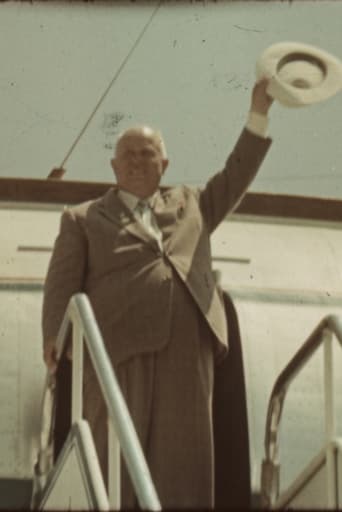
This newsreel presents the one and only visit to Albania by Soviet premier Nikita Khrushchev. But behind the bear hugs and airport kisses, Enver Hoxha bristled at Khrushchev’s suggestion that the Albanian leader attempt reforms and back off from the demigod status accorded to the Russian dictator Joseph Stalin. Within a year, Albania would create shock waves in the communist universe after Hoxha denounced Khrushchev at a 1960 Moscow party congress.

By 1980, Albania had broken with all the world’s superpowers. The isolation pushed the country into a corner. Industrial production slowed to a virtual standstill. Lines grew for bread, meat and milk. To inspire the typical socialist worker, this Kinostudio production highlighted the achievements of a model labourer who’s met his work goals thirty years into the future. Director Musliu ironically mirrors much of the ridiculous rhetoric that filled most of the era’s state-controlled media.

Twenty-five years after his abduction during the Kosovo War, painter Skender Muja recalls a pivotal moment of survival. Held in a detention center, he was ordered to draw a Serbian commander’s portrait to save his life.
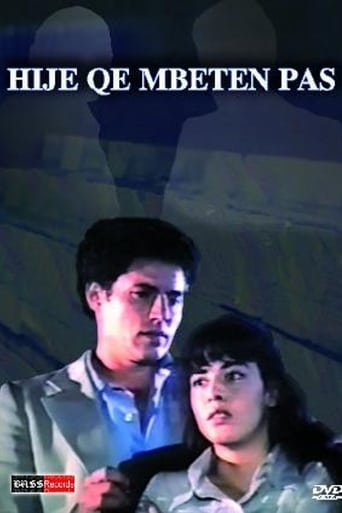
Agron and Marjeta are happily engaged until in a trial presided by Agron, two people accused of theft reveal facts that implicate Marjeta's father. Agron is torn between love and duty.
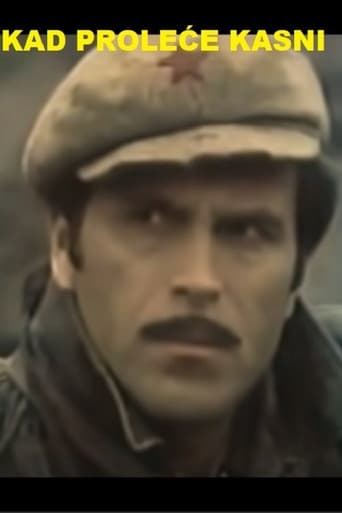
Based on war-themed diary of Fadil Hoxha, the film tells the story of one particular phase of partisan revolution in Kosovo during WWII.
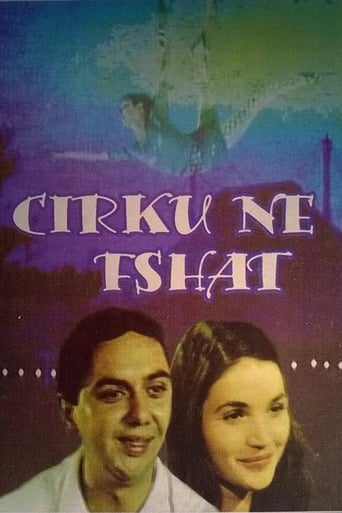
Agron is a circus clown who is hassled by the circus animals. Shemshedin thinks they should send these animals away, and so many hilarious situations ensue.
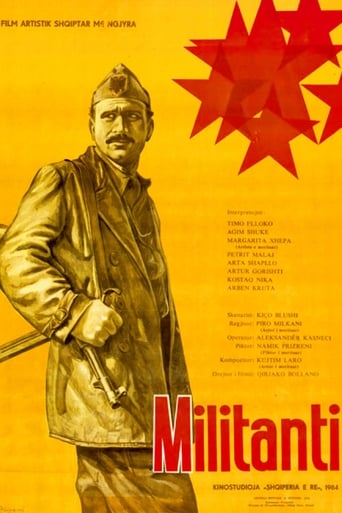
A film about the life of militant Vasil Shanto.
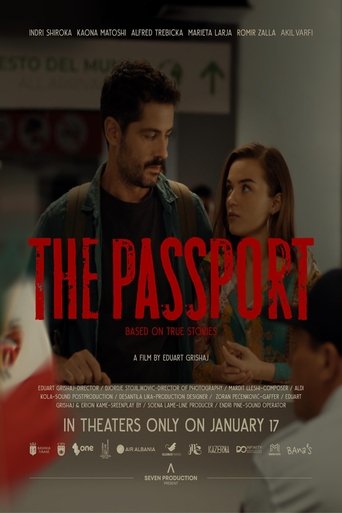
An Albanian man partners with smugglers to reach Canada using a fake passport. He must pose as husband to unknown woman Vlera as part of a criminal arrangement.
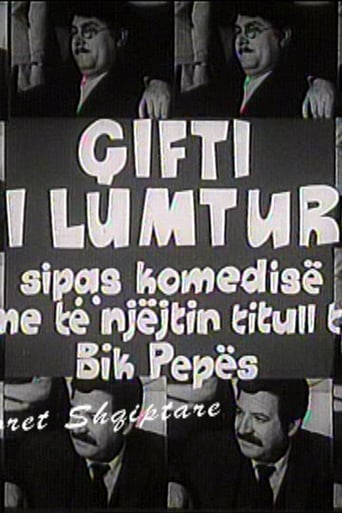
A comedy about life during the 1970's. A father refuses to accept his son marrying a girl from a different religion, thus leading to several comical situations.
the troubles of a few remaining people in nearly abandoned villages, after the fall of communism.
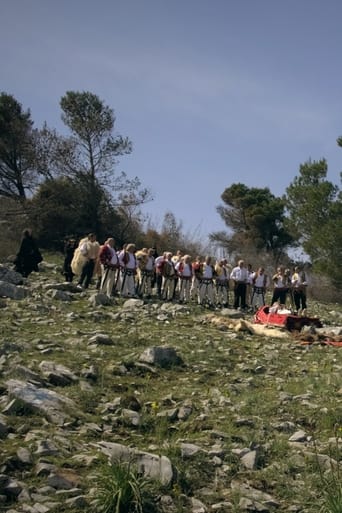
“Gjama” is a rarely practiced mourning ritual that was performed by Albanian men throughout the centuries. By shouting specific phrases and acting out a strict choreography, it is a way of paying respect to the deceased but also overcoming grief and pain over the loss of a loved one. Through the documentation of the re-enactment of the ritual, Zgjim Elshani seeks to recover fragments of the practice in the communities where this form of collective grieving is still a way of overcoming loss. By doing so, the project intends to rethink collective grieving and what it means to publicly display emotions in a male-headed society.

According to the law of physical elimination of stray dogs in exchange of a small monetary reward, two middle-aged Albanian ex-hunters, Nikolin and Enver, take a nocturnal journey throughout the city, which is soon interrupted by an unexpected turn of events.
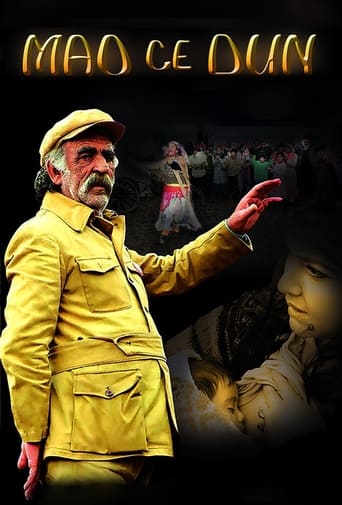
The film unfolds the reality in a communist country in the 1970s through the eyes and wise ways of an ordinary gypsy. The events take place in a small town in Albania. Besides the well-organized civilized life, a strange Gypsy community is settled in the town. The calm flow of their life is troubled by the birth of a child. The son, who is the ninth child in this Gypsy family, will bring joy not only to his family, but to the entire gypsy community. What could possibly trouble the strong communist establishment of the time? A child is born but not an ordinary one. His name is Mao Tse Tung. A gypsy Mao Tse Tung in the 1970s.
