
The Clay Bullet 1994
Toni, a neglected and spoiled 10-year-old boy, tries in every way to look like the idols that inspire his lonely days.
Toni, a neglected and spoiled 10-year-old boy, tries in every way to look like the idols that inspire his lonely days.
Beti, a woman in her late forties, together with her family, is deported by Serbian security forces from her home in the capital of Kosovo to the border village of Bllacë. With war breaking out in 1999, her story of survival is stitched together as the world she knew disintegrates. The seemingly endless cycle of cruelty Beti endures on her journey to a safe haven becomes a collective story of survival.

Three young people from Prishtina discuss what's it like to not be able to travel due to visa liberalization issues in Kosovo and what it means for them to have never been on an airplane.
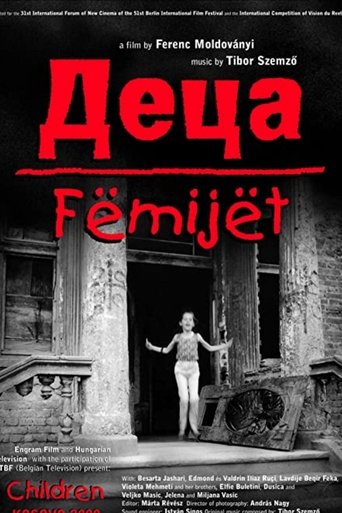
Kosovo in the spring of 2000. Winter is over but in a meteorological sense only. Ruins and pain. The marks of devastation in the sunny landscape. Wounds that never heal, the hesitating , vague gestures of a new beginning. Paradoxes. In black and white, with the broken images of memory imprints in color. Two words: deca and fëmijët , they mean children in Serb and Albanian. These expressions have no place in the irrational dictionary of war. It is the children though who are the most defenseless victims of this war governed by mad hatred. Their suffering has become an indelible chapter of the chronicle at the end of the century, the dawn of the new millennium. Besarta, Violeta, Edmond and Valdrin, Miljana and Jelena are Albanian and Serb children, the film tells their story in black and white with color Super 8 images shot by the children themselves.
“What if women could move a house?” In “As If Biting Iron” (2019), Rizaj uses the medium of film to challenge this very question as we witness the walls of a brutalist building, situated in the forests of Kosovo, being moved by the forces of over 100 anonymous women. Pushing against the deadweight of the concrete, the burden of oppression literally and figuratively comes undone.
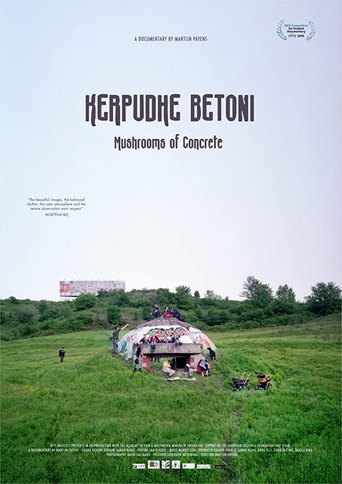
Over 750,000 bunkers were build in Albania for a war that never came. Building them drained vital resources and crippled Albanian industry. Presently, Albanians struggle to put the abandoned hollows to productive, creative use.
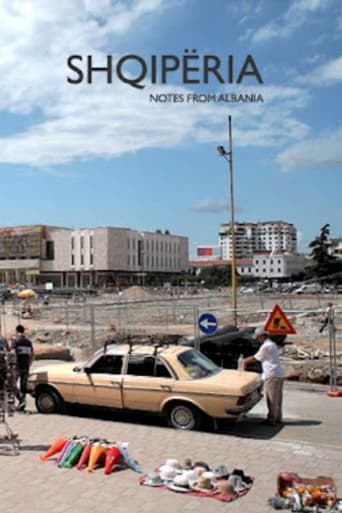
Mad dictators, trigger-happy mobs, archaic blood feuds - this pretty much sums up what Western Europeans know about Albania. But reality in this long forgotten Balkan country is much more complex and multilayered. SHQIPERIA - NOTES FROM ALBANIA offers a flow of stories from and about Albania, displaying the country in its true diversity, unspeculatively illuminating its conflicts and discovering this blank spot on the map of Europe in all its contradictions.
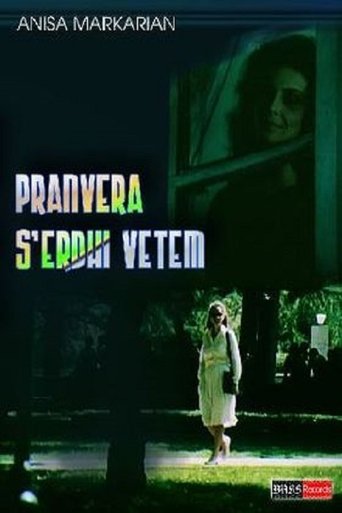
Irena, a young physicist, along with two of her colleagues, undertakes an important study far from home. She goes for a health check-up at the city hospital and learns that she suffers from leukemia. After recovering from her spiritual depression, she begins to come to terms with reality, appreciating every second of her life and the love she tries to avoid.
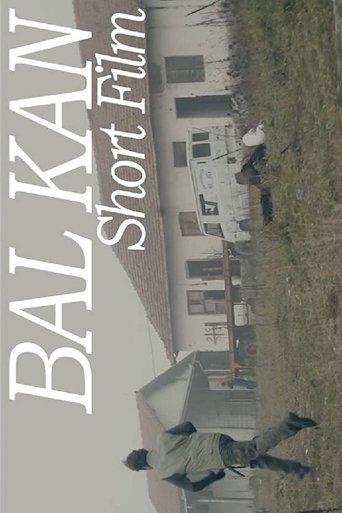
Kosovo 1988. Two young boys, a Serbian and an Albanian, raised together in a small town of Kosovo. As they grow up they find themselves in a war between two countries and on different fronts.
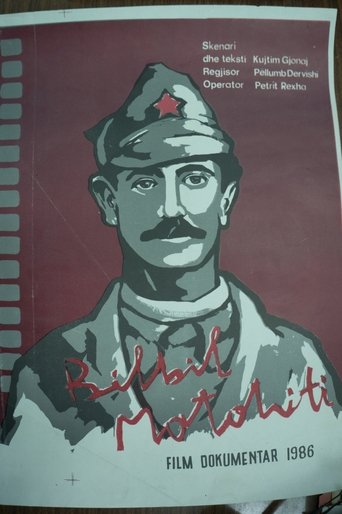
Documentary film from 1986.
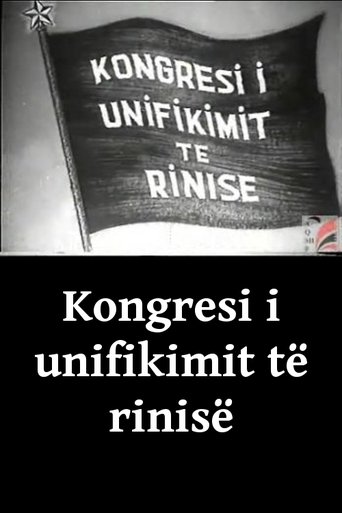
Congress for the unification of youth.

Documentary about the building of the Durres-Tirane railway.
Sala didn’t paint the Tirana facades in Dammi i Colori (Give Me the Colors), in his current show. Others did, as part of an ongoing project initiated by Edi Rama, the city’s mayor and a former artist.
